Australians Rescue Thousands of Animals After Cyclone
When ex-tropical cyclone Narelle tore through northern Australia, hundreds of volunteers transformed their homes into wildlife hospitals, saving thousands of animals across three states. From orphaned kangaroos to stranded flying foxes, communities showed up for wildlife in extraordinary ways.
When ex-tropical cyclone Narelle swept across northern Australia earlier this year, it didn't just leave destruction. It revealed something powerful about what communities can do when wildlife needs help.
Across Queensland, the Northern Territory, and Western Australia, hundreds of volunteers dropped everything to save animals in crisis. One wildlife rehabilitator in Western Australia turned her entire home into an emergency animal hospital. In the Northern Territory, specialist flying fox rehabilitators traveled from Queensland to help local carers manage thousands of orphaned bat pups appearing in backyards and playgrounds.
The scale was staggering. At the height of the response, one partner supported by the International Fund for Animal Welfare was caring for more than 100 orphaned joeys, from kangaroos to wallabies and wallaroos.
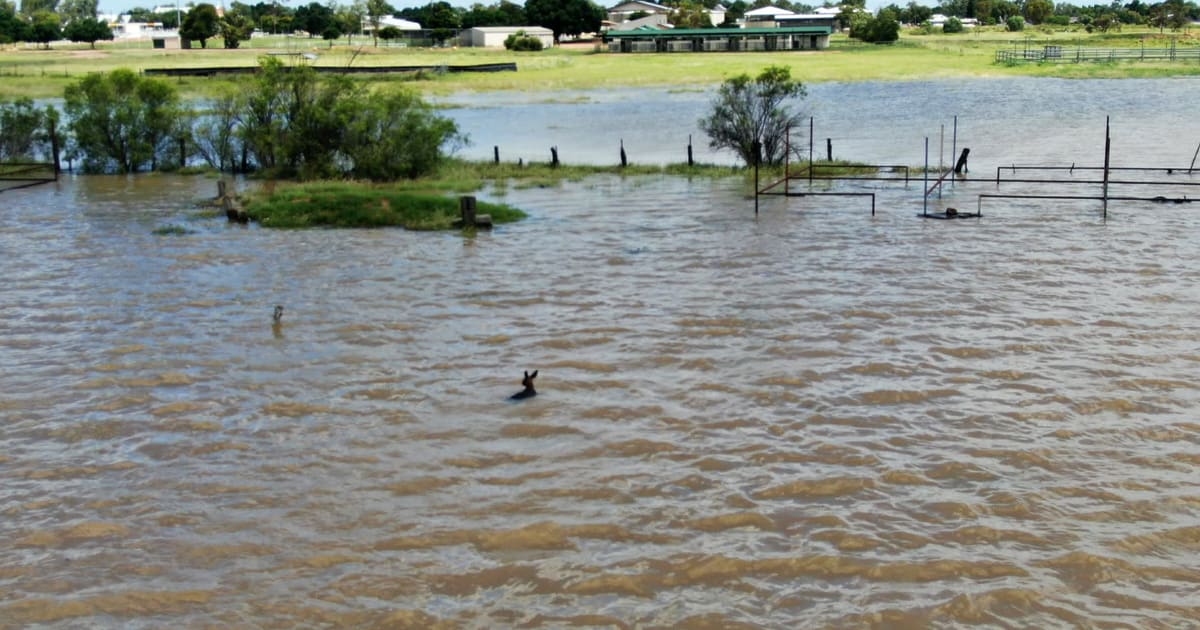
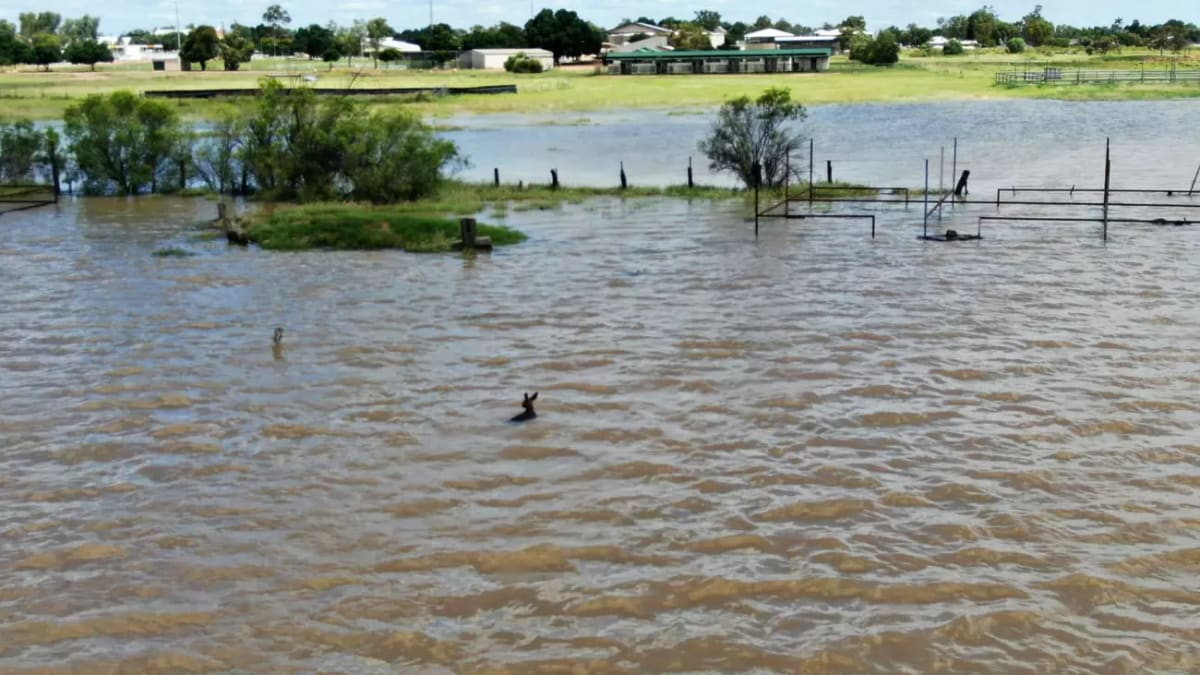
Queensland faced the most complex challenge. Record floods had already overwhelmed rescue networks before the cyclone even arrived. Orphaned macropods had to be transported hundreds of kilometers to find available care, stretching wildlife hospitals and volunteers to their limits.
Working alongside local partners, IFAW helped strengthen enclosures, secure equipment, and expand rehabilitation capacity before Narelle hit. That preparation made all the difference when injured and stranded animals started arriving in waves.
In Western Australia, where roads were cut off and emergency teams focused on human safety, the wildlife response became almost entirely community-led. Volunteers walked beaches searching for surviving seabirds, turtles, and sea snakes. With limited access to affected areas, essential wildlife supplies hitched rides on relief flights supporting the broader recovery effort.
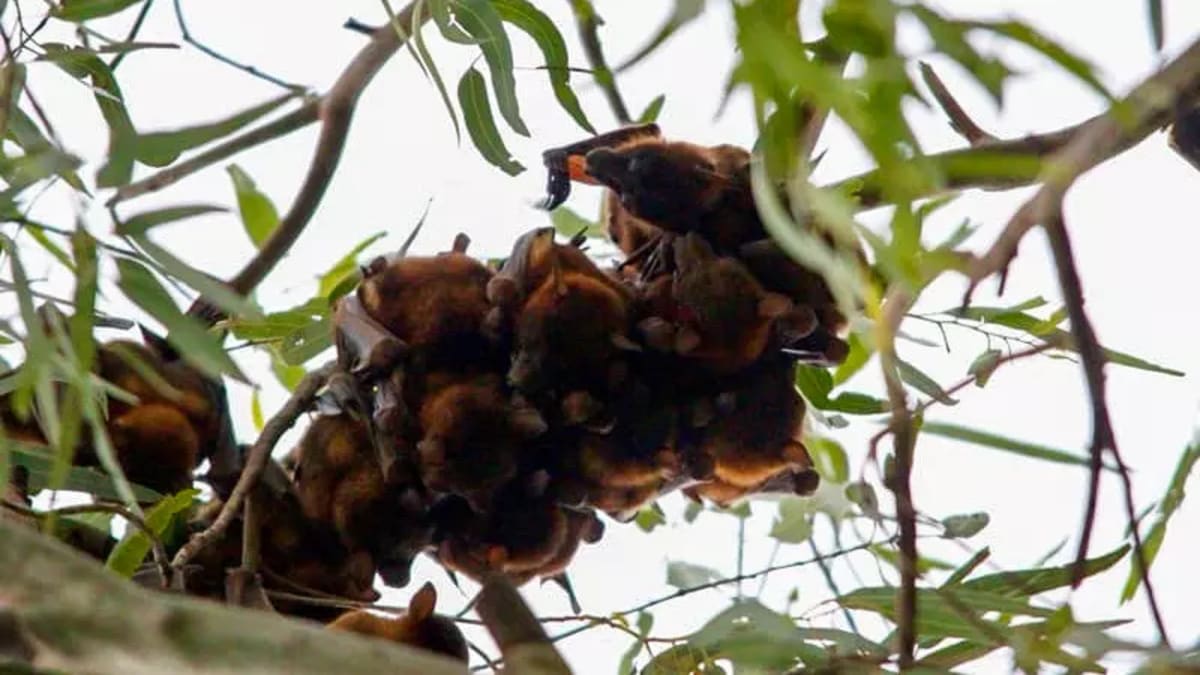
The Northern Territory saw a quieter but equally devastating crisis. Flying fox colonies already weakened by food shortages couldn't withstand the storm's intensity. Thousands died, while carers worked around the clock treating dehydrated and hypothermic survivors.
The Ripple Effect
The response to Narelle created something lasting beyond immediate rescue efforts. In Exmouth, Western Australia, more than 250 people signed up for wildlife rescue training after the cyclone. That's roughly 10% of the entire town's population.
Those numbers tell a story about what happens when communities see firsthand how much animals need help during disasters. Strong local networks don't just make future responses faster. They make them more sustainable and more resilient.
The work continues months after the headlines faded. Orphaned joeys still need care, and communities are building capacity to respond better next time. Because as climate-related disasters become more frequent, the question isn't if wildlife will need help again. It's how ready we'll be.
When cyclone Narelle tested northern Australia, hundreds of ordinary people chose to become extraordinary for wildlife.
More Images
Based on reporting by Google News - Wildlife Recovery
This story was written by BrightWire based on verified news reports.
Spread the positivity!
Share this good news with someone who needs it