Australia's Baby Bundle Cuts Stillbirths Across Victoria
A national stillbirth prevention program in Australia has saved lives by reducing perinatal deaths without increasing medical interventions. The first evaluation shows the Safer Baby Bundle works at scale, though researchers are now adapting it to better serve Indigenous and migrant communities.
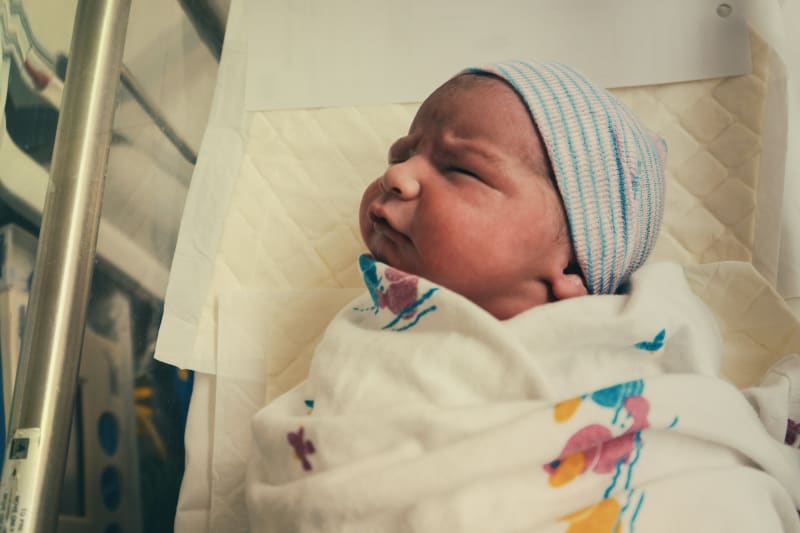
Every day in Australia, more than six babies are stillborn and two more die within their first month of life. Now, researchers have proof that a nationwide prevention program is changing those heartbreaking numbers.
The Safer Baby Bundle, a collection of clinical guidelines and educational resources for doctors and pregnant women, has successfully reduced stillbirths and overall perinatal mortality in Victoria. This marks the first time researchers have evaluated the program's real-world impact since its launch.
Dr. Keeth Mayakaduwage and his team at Hudson Institute of Medical Research analyzed data from participating Victorian maternity services and found encouraging results. Stillbirths dropped, and overall perinatal deaths decreased significantly, all without increasing cesarean sections, labor inductions, preterm births, or intensive care admissions.
The program appears to work by helping doctors detect and manage fetal risk earlier. Stillbirths from unexplained causes and specific pregnancy complications declined at hospitals using the Bundle, suggesting that warning signs are being caught and addressed before tragedy strikes.
But the research uncovered an important gap. While many families benefited, the improvements weren't evenly distributed across all population groups. Several migrant communities saw no improvement, and perinatal mortality actually increased among Indigenous women during the study period.
The Ripple Effect
This finding has sparked immediate action rather than discouragement. The Centre of Research Excellence in Stillbirth has already adapted the Safer Baby Bundle specifically for Indigenous women and for migrant and refugee communities through a co-design process developed in partnership with those families.
Associate Professor Miranda Davies-Tuck, who led the cultural adaptation for migrant and refugee communities, emphasized that universal programs don't automatically benefit everyone equally. "Families need maternity care that identifies babies at risk earlier, responds appropriately to warning signs, and does so without exposing mothers and babies to unnecessary intervention," she explained.
The research demonstrates that stillbirth reduction is achievable on a large scale when healthcare systems adopt evidence-based, structured approaches. Professor Euan Wallace noted that the findings show both what's working and where improvements are needed, giving researchers a clear path forward.
Australia is already one of the safest countries for childbirth, yet stillbirth rates have been slow to improve. This evaluation proves that targeted, thoughtful prevention programs can make a difference when implemented broadly across healthcare systems.
The culturally adapted bundles are now rolling out, and ongoing research will track whether these tailored approaches close the equity gap and extend the program's life-saving benefits to every Australian family.
More Images
Based on reporting by Medical Xpress
This story was written by BrightWire based on verified news reports.
Spread the positivity!
Share this good news with someone who needs it