Scientists Discover Key to Steady, Healthy Heartbeats
Researchers have identified a tiny protein region that keeps hearts beating steadily throughout our lives. The breakthrough could lead to treatments for devastating inherited heart diseases that affect thousands of families.
A microscopic piece of a little-known protein may finally explain how our hearts maintain their perfect rhythm from birth through our entire lives.
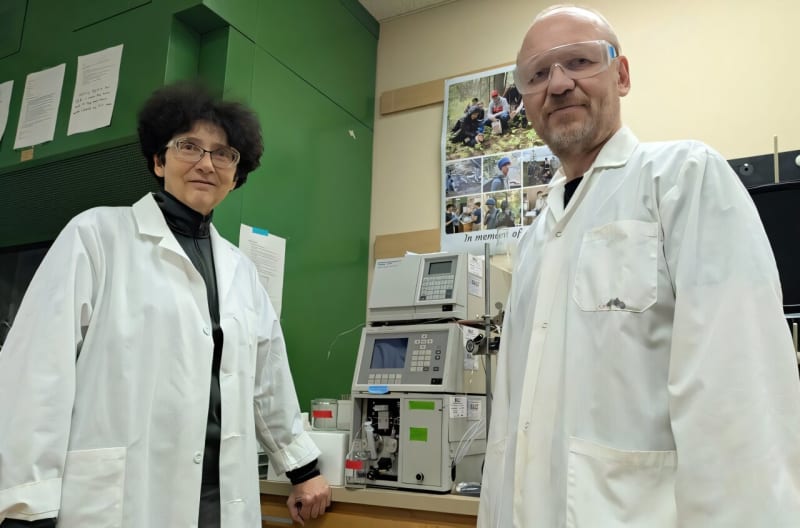
Scientists at Washington State University discovered that a specific region of a protein called leiomodin plays a crucial role in keeping heart muscle filaments at exactly the right length. When these rope-like structures are even slightly too long or too short, hearts can't beat properly.
The research team collaborated with experts from the University of Arizona and Mount Sinai School of Medicine to solve this puzzle. Their findings appear in the journal Circulation Research.
Every heartbeat depends on precise coordination between tiny protein filaments in heart muscle. These filaments bind and unbind in response to electrical signals, letting the heart contract and relax. Think of them as perfectly measured ropes that need to stay the exact same length to work correctly.
Professor Alla Kostyukova, who led the study, explained that these filaments constantly rebuild themselves throughout our lives. They have to maintain consistent length year after year, or the heart struggles to function.
For families with inherited cardiomyopathy, genetic mutations create filaments that form at the wrong length. The result can be disability, serious illness, or death. "Your heart cannot work properly," said Kostyukova.
The breakthrough came when researchers discovered leiomodin forms what they call a "leaky cap" on the end of heart filaments. This weaker binding actually serves a purpose. It allows the protein to detach when needed, helping regulate filament length precisely.
The team used advanced imaging to see the protein's structure with and without mutations. Meanwhile, their collaborator Carol Gregorio tested the protein region in living animal cells. The results matched perfectly.
The Ripple Effect
This discovery opens doors that were closed for decades. The researchers now understand three functional sites in these cardiac proteins and continue mapping more. Each piece of knowledge brings them closer to helping families affected by heart disease.
The collaboration between structural protein experts and cellular researchers makes translating lab discoveries into real treatments possible. Kostyukova's team aims to eventually develop small molecules that could correct pathogenic mutations in the protein.
Thousands of families live with inherited heart conditions that limit their lives and shorten their futures. Understanding how healthy hearts maintain perfect filament length gives researchers their first real target for intervention.
The work represents years of patient investigation into proteins that most scientists overlooked. Now these "not well known" proteins are revealing secrets that could transform cardiac medicine.
Researchers will next explore how multiple binding sites work together during the elongation process, building toward treatments that seemed impossible just years ago.
One day, doctors may be able to offer hope to families who've watched generations struggle with weak hearts.
More Images

Based on reporting by Google News - Researchers Find
This story was written by BrightWire based on verified news reports.
Spread the positivity!
Share this good news with someone who needs it