Australia's Clean Industry Push Could Unlock $300B Boom
Australia could unlock $300 billion in economic opportunity through 70 clean industrial projects that decarbonize heavy industry while creating jobs. The path forward requires coordinated action between government, industry, and finance to turn renewable potential into global leadership.
Australia stands on the edge of a massive economic opportunity that could transform its industrial landscape while helping the planet.
A new briefing from two global climate alliances reveals that 70 clean industrial projects currently in development could generate approximately $300 billion in economic value for Australia. These projects span everything from green ammonia to sustainable steel production, with 15 to 20 already in advanced stages.
The announcement came during Climate Action Week Sydney in March 2026 from the Mission Possible Partnership and Industrial Transition Accelerator. Both organizations are leading the Build Clean Now campaign, which aims to accelerate financing for clean industrial projects worldwide.
Michael Bartlett from Australia's Department of Climate Change emphasized the nation's unique advantages. Australia boasts world class mineral deposits, enormous renewable energy potential, and a strong reputation as a reliable trading partner. International partners already look to Australia to help decarbonize steel, fuels, and heavy industry.
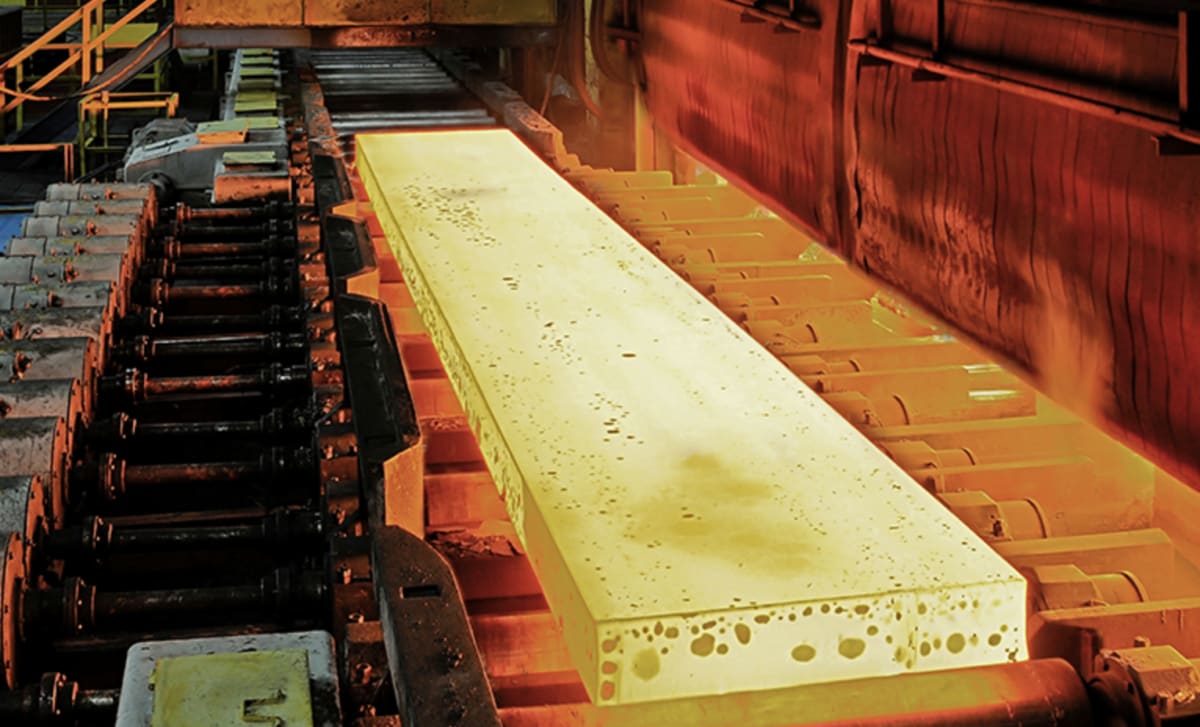
The project pipeline is impressive. Of the 70 projects tracked, 41 focus on ammonia production, nine on steel, seven on aviation fuels, and smaller numbers on aluminum, methanol, and high value chemicals. One project has already reached final investment decision, with 20 more approaching financial close.
The catch? These projects face real barriers. Many struggle to find buyers willing to pay premium prices for green products. Policy uncertainty makes investors nervous. Fragmented demand and high upfront costs create additional hurdles.
The briefing outlines clear solutions. Public procurement and government mandates can create reliable early demand for clean products. Price guarantees and carbon contracts reduce investment risk for private companies. Loan guarantees, export finance, and transferable tax credits help crowd in private capital that might otherwise sit on the sidelines.
Rachel Howard, Asia Pacific Director for Mission Possible Partnership, stressed the importance of collaboration. True partnership between government, industry, and finance can create a blueprint that works not just for Australia but for countries around the world.
Matthew Stuchbery from Copenhagen Infrastructure Partners noted that clean industry can anchor long term investment and economic resilience when the right conditions exist. Predictable demand and coordinated action allow capital to flow into projects at scale.
The Ripple Effect
This transition represents more than environmental progress. It positions Australia as a global leader in clean industrial production, creating stable jobs in manufacturing, construction, and operations across the country. Communities hosting these facilities gain economic anchors that can support prosperity for decades.
The Clean Energy Finance Corporation stands ready to step in where private investors hesitate, managing risk across portfolios and helping turn first of a kind projects from rejected proposals into successful ventures.
Australia's renewable resources have always been abundant. Now the nation has a clear roadmap to transform that natural advantage into industrial leadership that benefits both the economy and the climate.
More Images
Based on reporting by PV Magazine
This story was written by BrightWire based on verified news reports.
Spread the positivity!
Share this good news with someone who needs it