Australia's Farms Go Local as Freight Costs Soar
Skyrocketing food transport costs are sparking a paddock-to-plate revolution across Australia. Farmers and shoppers are rediscovering the benefits of buying local, cutting out the thousand-kilometer detours their food used to take.
When freight costs exploded during recent global disruptions, something unexpected happened: Australians started looking closer to home for their groceries, and farmers couldn't be happier.
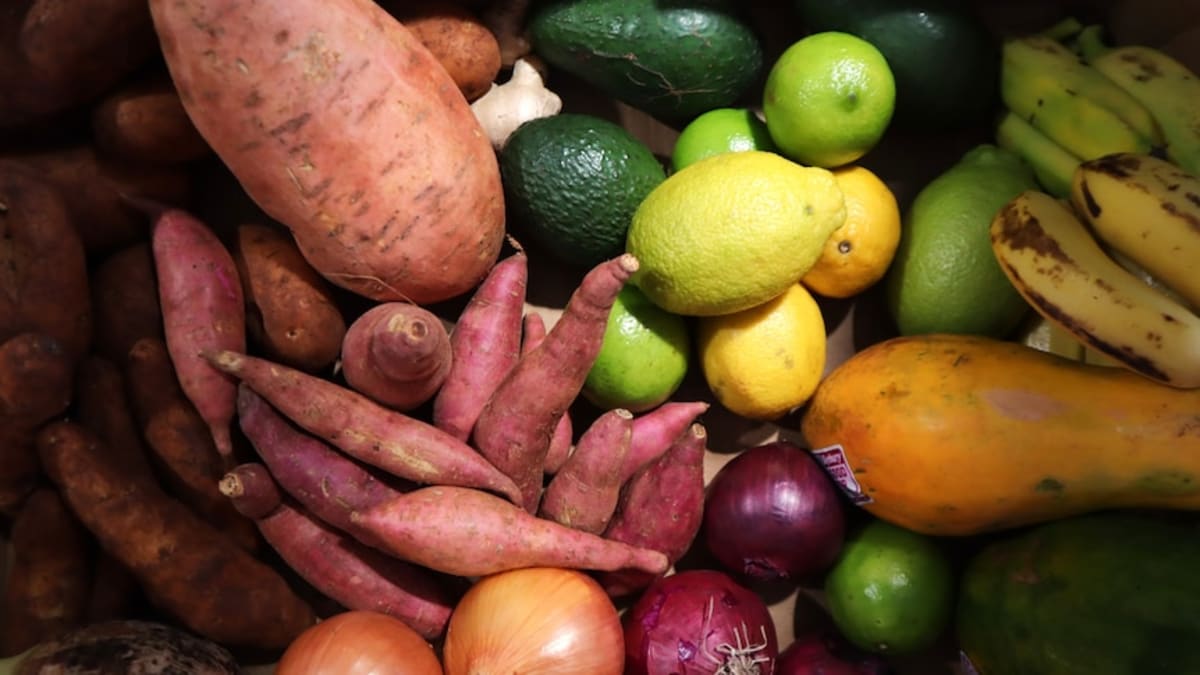
Angela Nason runs a produce store in Mareeba, west of Cairns, surrounded by farms growing $748 million worth of fruits and vegetables. She's hired two extra staff members and opened on Saturdays just to handle the surge of customers asking for locally grown food.
The reason for this shift reveals an absurd truth about how our food travels. Produce grown on the Atherton Tablelands near Cairns used to get trucked thousands of kilometers south to Brisbane, Sydney, or Melbourne, only to be shipped right back north to local supermarkets. That loop-de-loop made zero sense when fuel was cheap, but now it's crushing farmers with costs.
"My phone rings continuously off the hook," Nason said. "We have loads of farmers ringing us for help, pretty much on a daily basis."
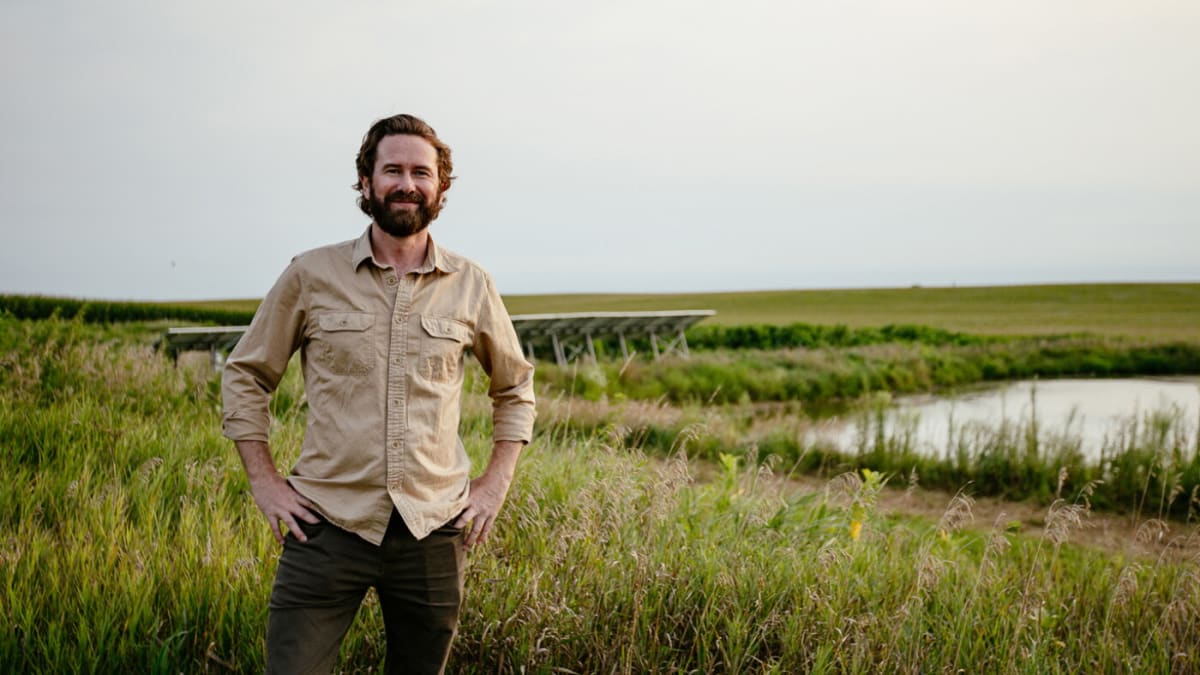
About 1,300 kilometers south, Luke Tresize and De'Arne Chapman are capitalizing on this local food movement at their Golden Hill Farm near Bundaberg. The regenerative farmers raise cattle, sheep, poultry, and pigs, and they've just purchased an on-farm butcher room to process their meat right where it's raised.
"We're living in an amazing food-growing region here, so why are we chasing food from Tasmania or Victoria when it can all be grown here?" Tresize asked. The couple plans to help other local farmers use their butcher room too, expanding access to locally raised meat across their region.
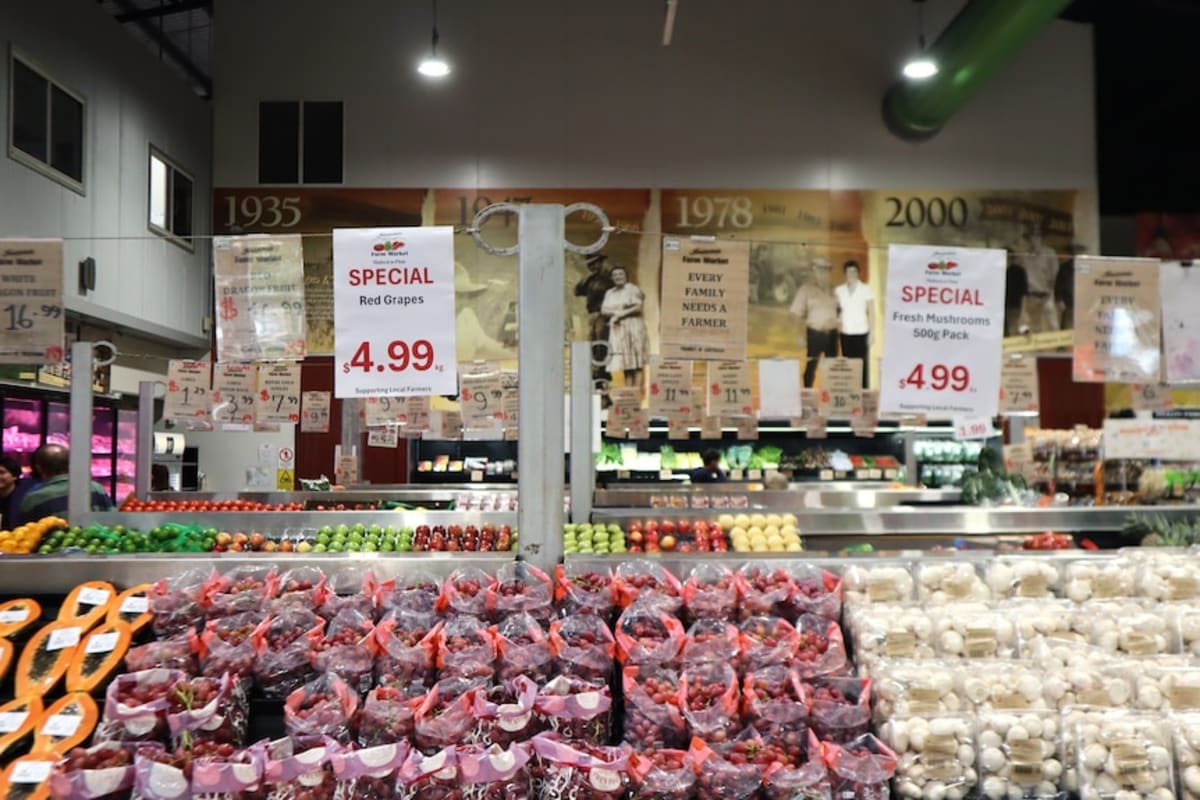
At Jonsson's Farmers Market in Cairns, operations manager Joe Cincota has noticed the same trend. More customers are walking through his doors asking where their food comes from.
The Ripple Effect
This shift toward local food is creating benefits that ripple far beyond lower grocery bills. Farmers are finding new revenue streams that help them survive rising costs. Small processors and local markets are hiring more staff to meet demand. Communities are building stronger connections to the land and people feeding them.
"I think because of social media, people want to know where their food is coming from," Chapman said. "They want that traceability, they want lower kilometers being traveled to get their food."
The model doesn't work for everyone. Large-scale growers still produce too much for local markets to absorb, so they depend on traditional supply chains. But horticultural consultant Ebony Faichney sees value in farmers diversifying their markets when possible.
For shoppers willing to seek out local options, the benefits are clear: fresher food, lower environmental impact, and the satisfaction of supporting neighbors instead of distant corporations.
One crisis revealed how fragile our long-distance food system really is, and Australians are building something more resilient in response.
More Images

Based on reporting by ABC Australia
This story was written by BrightWire based on verified news reports.
Spread the positivity!
Share this good news with someone who needs it