Australia's First Mushroom Coffin Breaks Down in 45 Days
A woman in her 70s became the first Australian buried in a coffin grown from mushrooms and hemp, transforming into nutrient-rich soil in just 45 days. The eco-friendly funeral option offers a way to give back to nature instead of taking decades to decompose.
Carolyn wanted to help others even after death, and her mushroom coffin is making that wish come true.
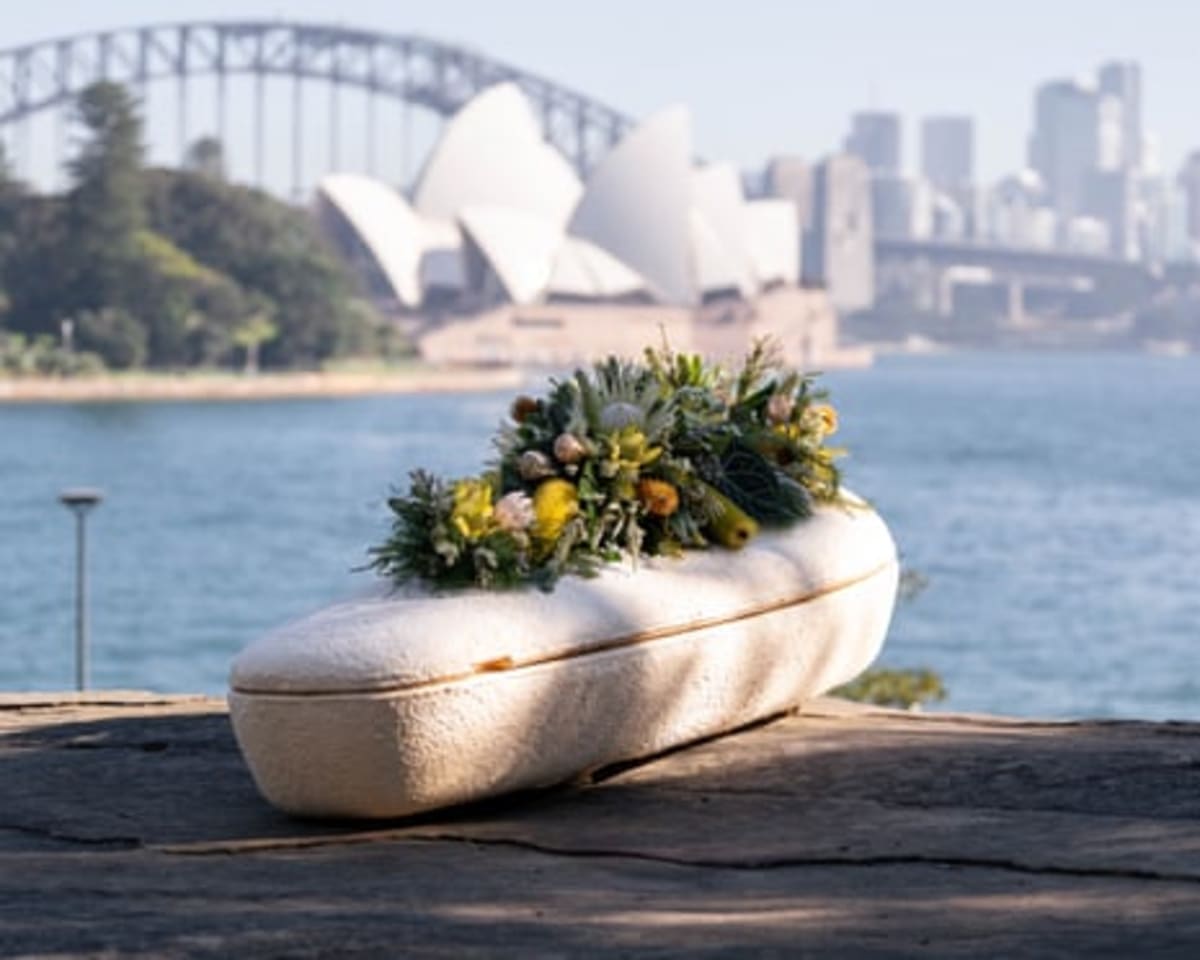
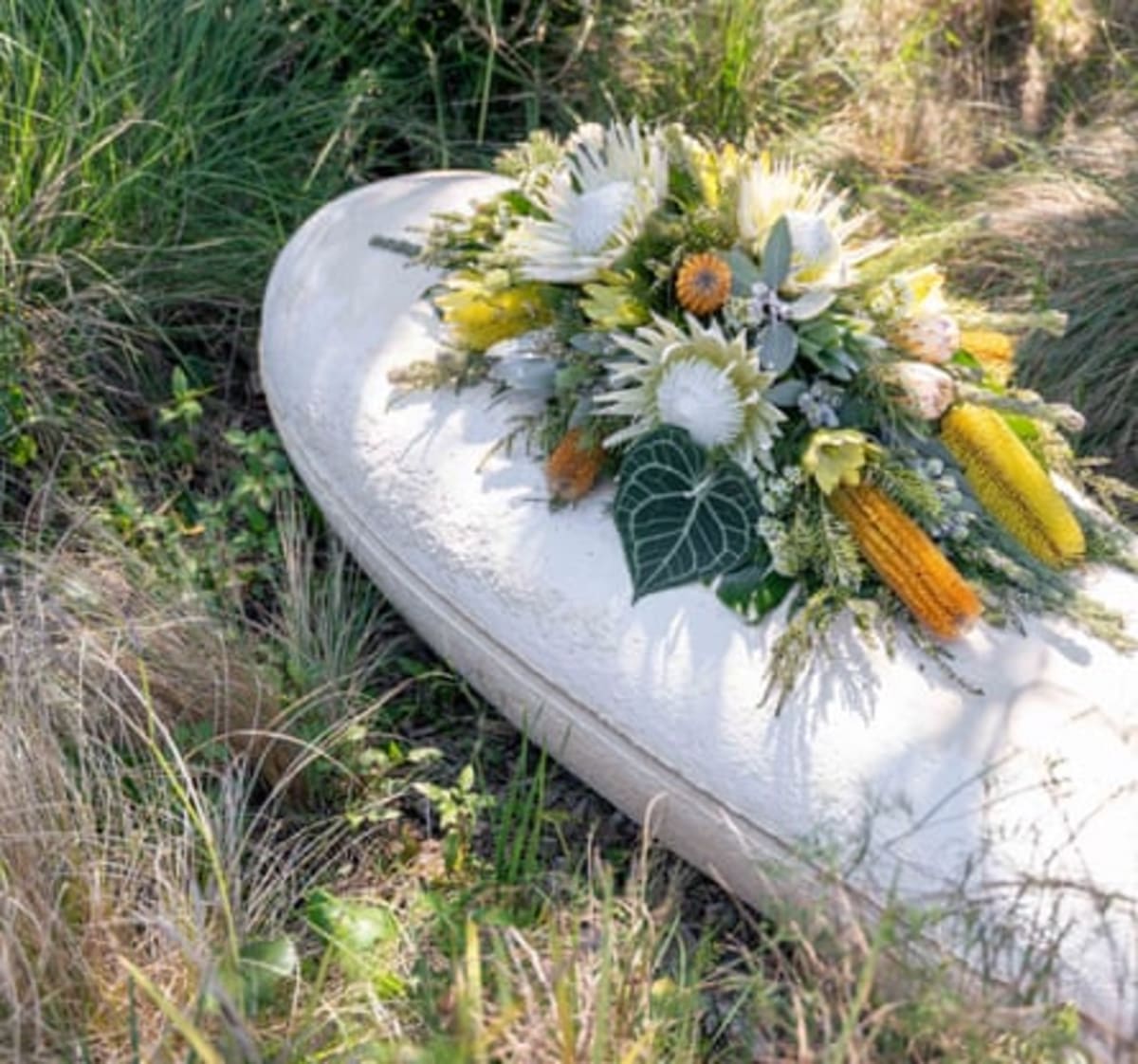
The woman in her 70s became the first person in Australia buried in a coffin made entirely from mycelium (the root network of mushrooms) and hemp fibers. She was laid to rest at Springwood Cemetery in the Blue Mountains on Friday, surrounded by friends and family.
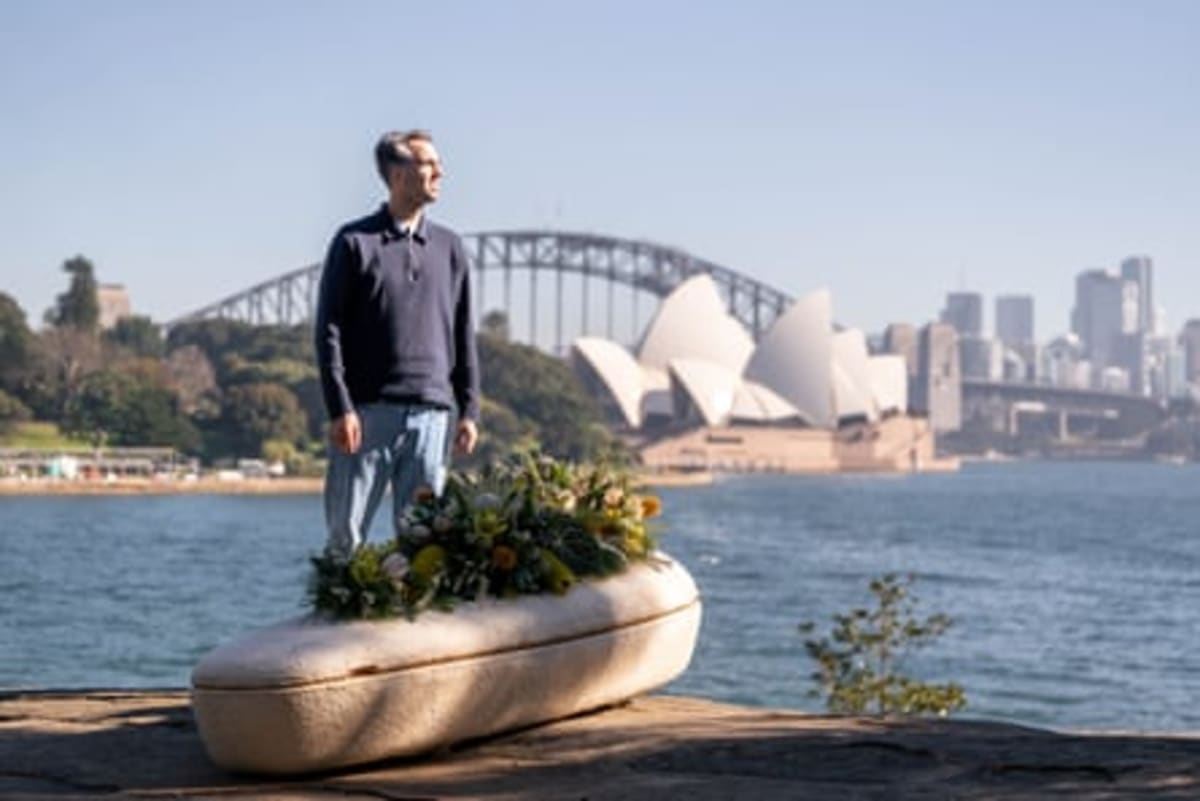
The coffin looks like traditional wood but tells a completely different story. Dutch company Loop Biotech grows each one in a climate-controlled room using a mold, and the whole process takes just seven days from start to finish.
Once buried, the coffin becomes part of the soil in about 45 days. Traditional wooden caskets can take up to 50 years to break down, making this mushroom alternative 400 times faster.
Carolyn's husband Donald said the choice felt true to who his wife was. "She was always there to help others," he explained. "It feels very true to who she was that even after her death, she can still do something for others while giving something back to nature."
The mushroom coffins weigh about 30kg each and work like composting. The body and coffin gently biodegrade together, transforming into nutrient-rich soil that feeds the earth instead of just sitting in it.
Loop Biotech founder Bob Hendrikx has already sold thousands of these coffins across Europe and the US over the past five years. He received interest from Australia early on but couldn't ship overseas easily until now.
The Ripple Effect
The timing couldn't be better for Australia's funeral industry. About 70% of Australians currently choose cremation, but each one releases emissions equivalent to 125kg of carbon dioxide.
Dr. Hannah Gould, a cultural anthropologist at the University of Melbourne, says people are rethinking how they want to say goodbye. As religious affiliations decline, environmental values are stepping in to fill that space.
"This idea that perhaps you don't go up to heaven after you die, you return to the earth, has been an increasingly popular narrative around death and dying," Gould explained. People are living longer and thinking more deeply about their final wishes.
Natural burial options like cardboard coffins emit less than 10kg of carbon dioxide equivalent. The mushroom coffin takes this even further by actively enriching the soil rather than just reducing harm.
Hendrikx puts it simply: "If a kangaroo dies in the forest, it's just going to be part of the cycle of life." Now humans can choose the same path, turning death into a gift for the living world.
More Images

Based on reporting by Guardian Environment
This story was written by BrightWire based on verified news reports.
Spread the positivity!
Share this good news with someone who needs it