Australia's First Steel Mill in 30 Years to Power Olympics
A new steel mill in Ipswich will turn scrap metal into building materials for the 2032 Brisbane Olympics while slashing carbon emissions by 70%. The project promises 200 permanent jobs and will supply 90% of Queensland's construction steel needs.
Australia is building its first major steel mill in three decades, and it's designed to turn old washing machines and cars into the backbone of Brisbane's 2032 Olympic venues.
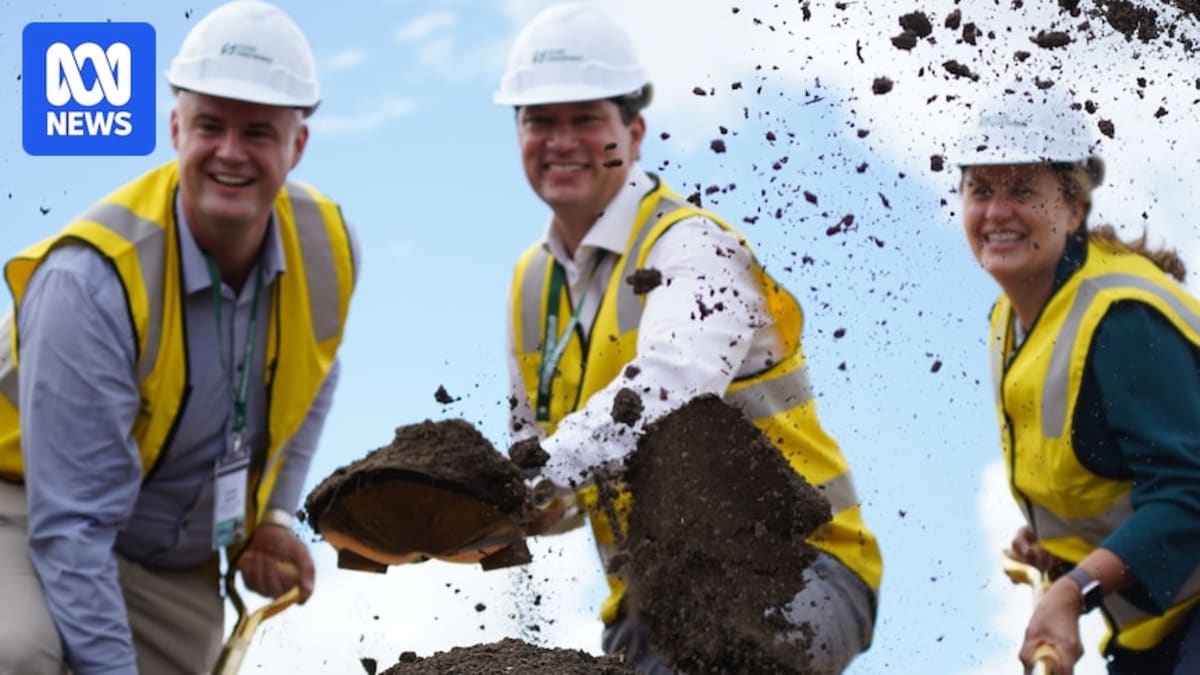
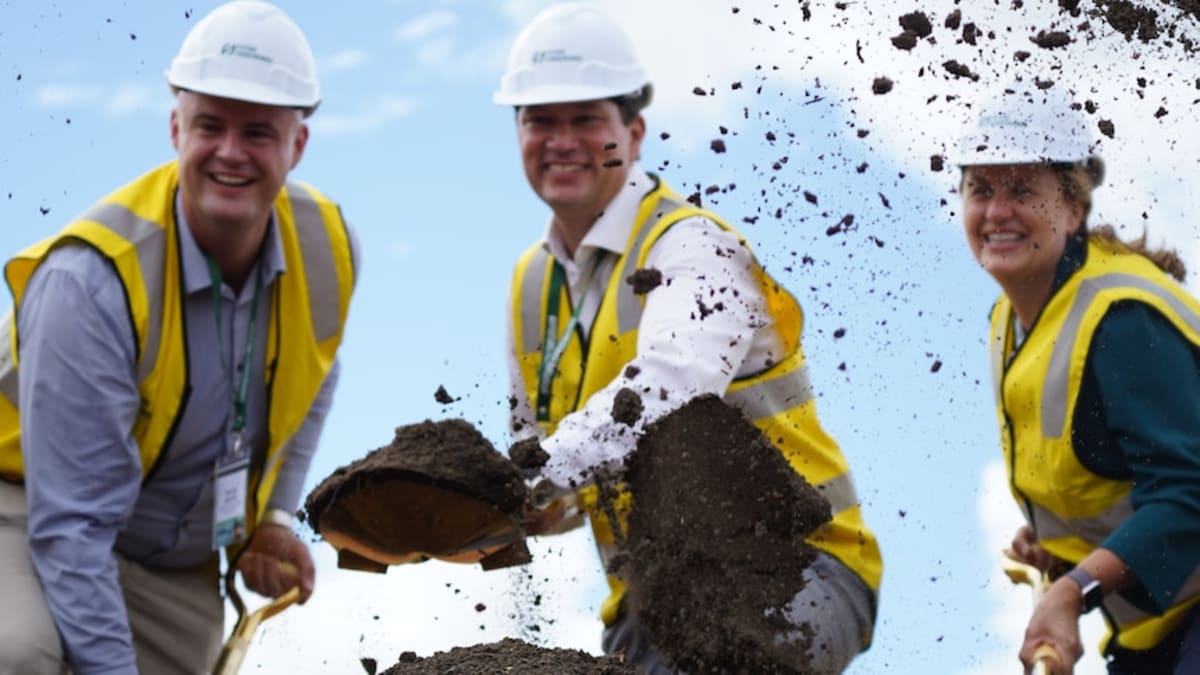
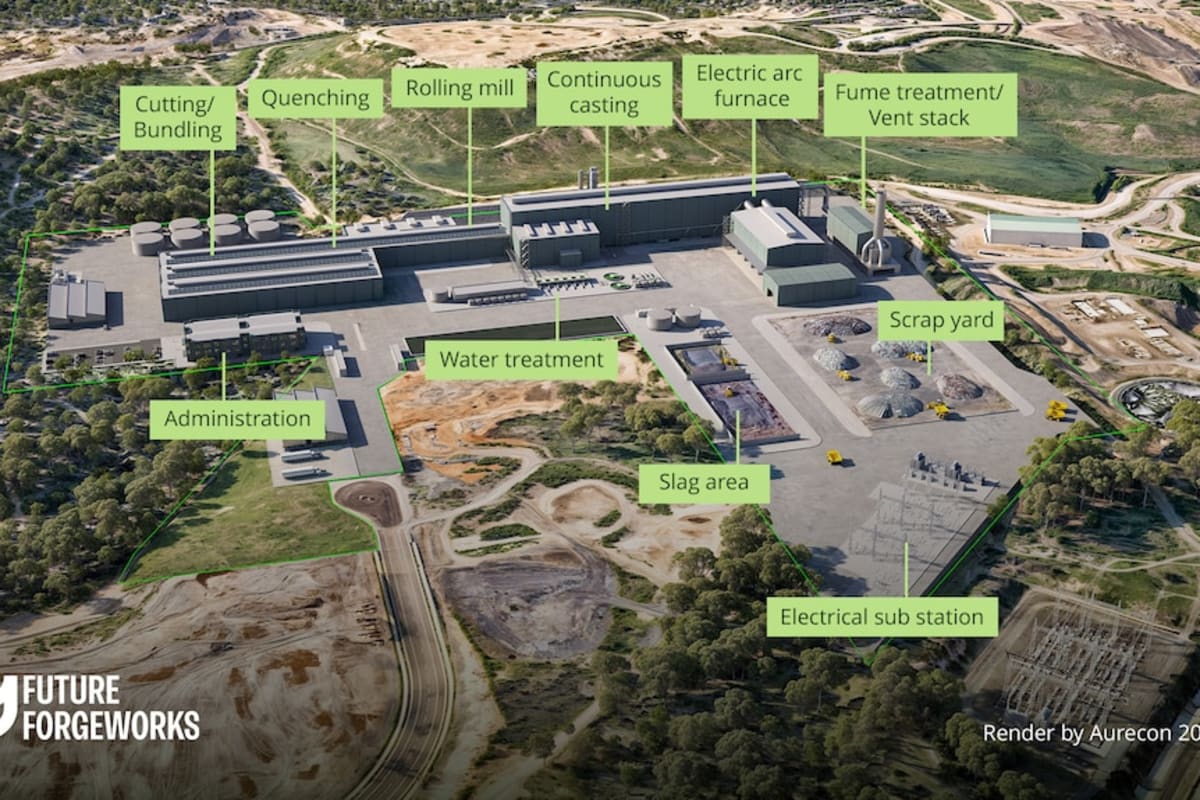
The Swanbank Steel Mill broke ground in Ipswich this week with an ambitious timeline. Future Forgeworks wants the facility operational in just over two years to catch the construction boom heading into the Olympics.
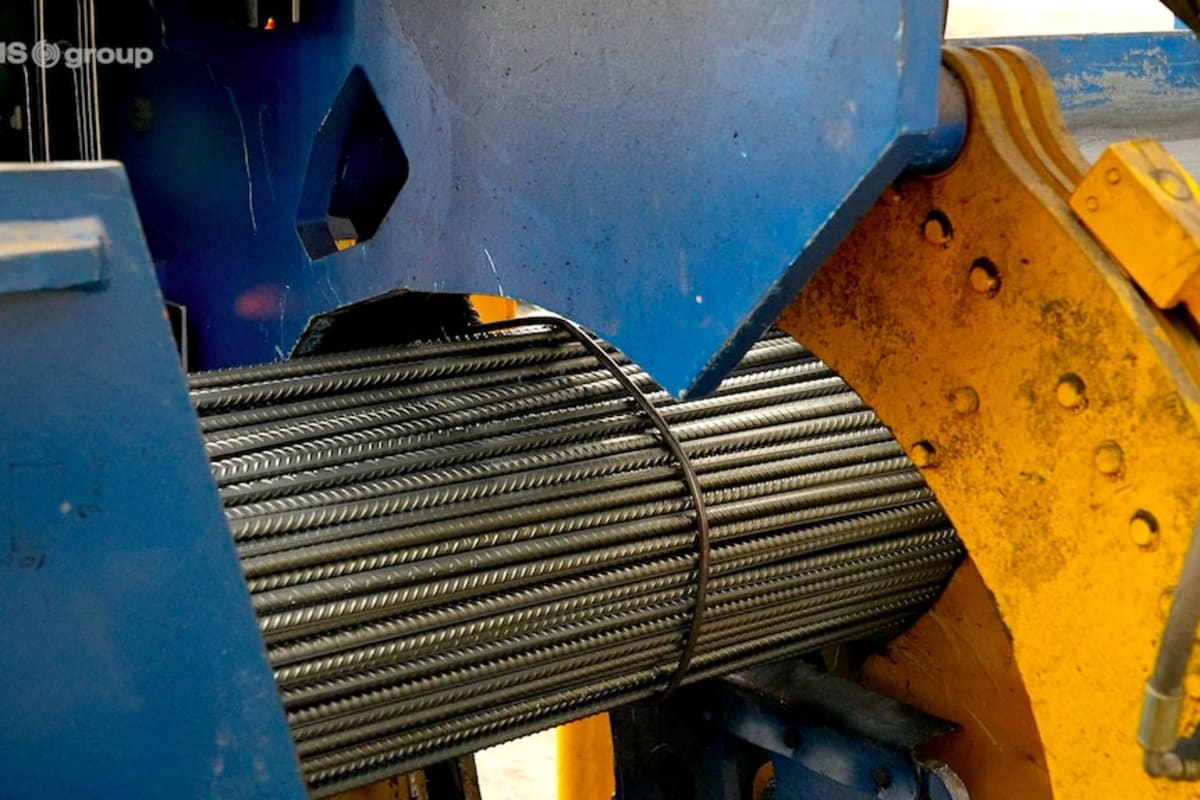
Chief executive Rohan Richardson, who grew up in Ipswich, says the mill will produce 350,000 tonnes of rebar annually. That's the steel reinforcing bars that give concrete its strength in skyscrapers, bridges, and sports stadiums.
The project solves a persistent problem for Australian builders. Right now, Queensland imports most of its construction steel from overseas at premium prices. Once operational, this single facility could supply 90% of the state's rebar demand.
Richardson believes local production will ease pressure on housing costs. "Our main premise is to provide the lowest operating cost in Australia and that will take some relief off housing prices," he said.
The environmental story is equally compelling. The mill uses German-designed electric arc furnace technology instead of traditional fossil fuel blast furnaces. That switch cuts carbon emissions by more than 70% compared to conventional steelmaking, which currently accounts for 8% of global emissions.
The facility won't reach net zero until 2040, but it represents a massive step forward for an industry desperately seeking cleaner alternatives.
The Ripple Effect
The project is creating opportunities that extend far beyond steel production. Future Forgeworks will hire over 400 workers during construction and maintain 200 permanent positions once the mill opens.
The location in Swanbank makes perfect sense. The area has hosted heavy industry for more than a century, sitting alongside waste facilities and a power station. Mayor Teresa Harding says the community submitted zero objections during the approval process.
The mill will process scrap metal that currently gets shipped overseas for recycling. Steel waste that would have traveled thousands of miles will instead get transformed into construction materials just miles from where it's needed.
Even the byproduct works in the community's favor. The slag created during steel production will be recycled into road base for construction projects or handled by neighboring industrial partners.
All three levels of government are backing the venture with financial support from the National Reconstruction Fund and major banks. Assistant Resources Minister Bryson Head sees it as a path toward Queensland self-sufficiency in construction materials.
The mill will replace an estimated $2 billion in steel imports between now and 2032. That money stays in Australia, supporting local workers and reducing the carbon footprint of transporting materials across oceans.
Future Forgeworks starts recruiting its workforce later this year, leading a wave of green steel projects awaiting approval across Australia.
More Images

Based on reporting by ABC Australia
This story was written by BrightWire based on verified news reports.
Spread the positivity!
Share this good news with someone who needs it