Australia's Floating Solar Saves 63B Gallons While Powering Cities
Australia is covering its reservoirs with floating solar panels that cut water evaporation by half while generating clean energy. The technology is spreading globally as countries discover it solves two climate problems at once.
Australia loses 370 billion gallons of water every year to evaporation, but the country just found a solution that also fights climate change.
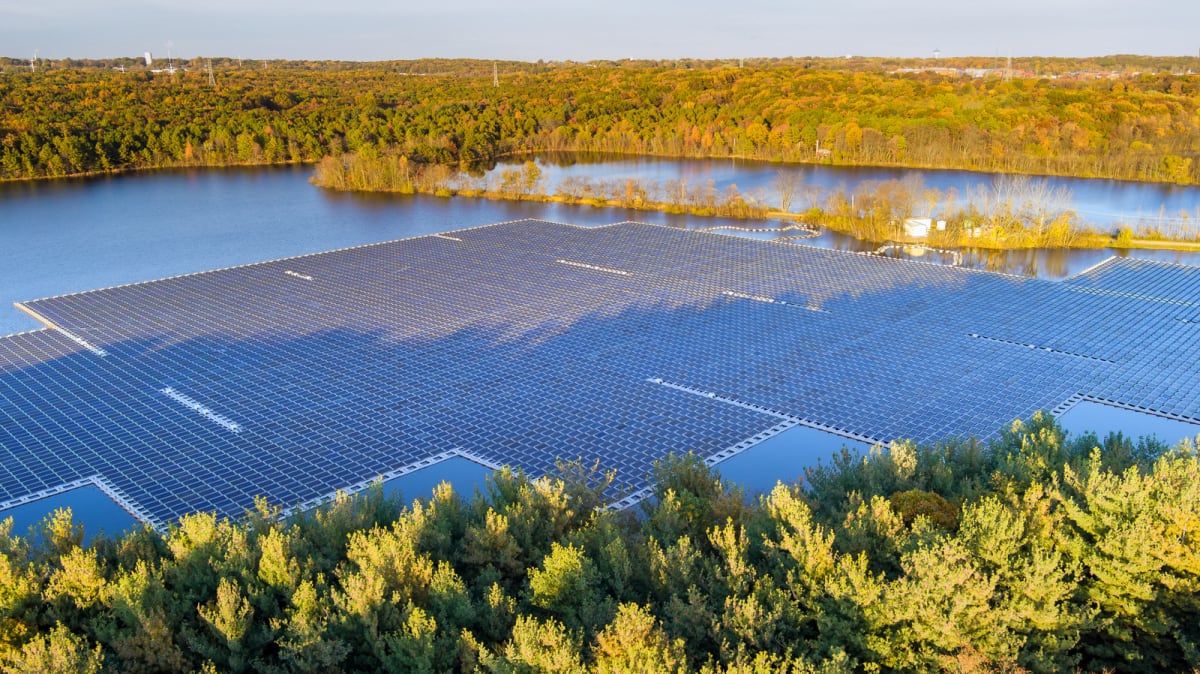
Floating solar panels are spreading across Australian dams and reservoirs, doing double duty by generating renewable electricity while dramatically reducing water loss. Known as floatovoltaics, these installations cut evaporation rates by more than half when they cover 70% of a water surface.
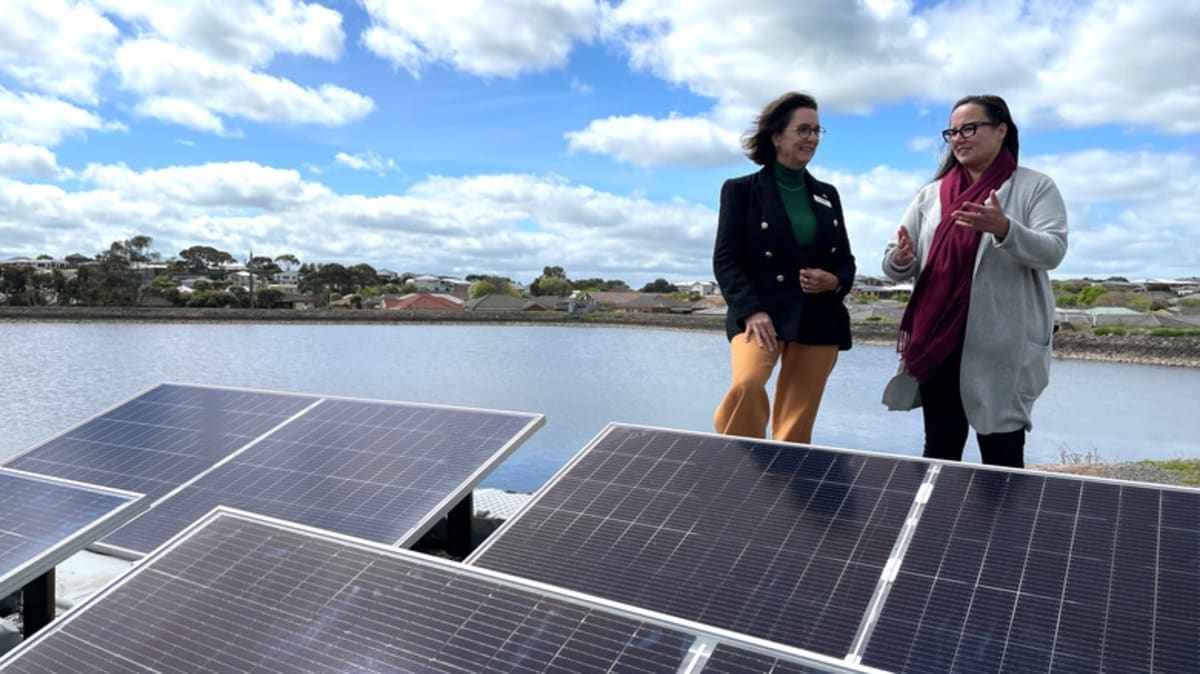
The biggest example opened in Warrnambool, Victoria in 2026. The array features 1,200 solar panels floating on the local reservoir, generating enough electricity to power the city's entire water treatment plant while preventing millions of gallons from evaporating into thin air.
The technology works better than traditional solar farms in several ways. Water naturally cools the panels, making them more efficient since solar cells lose power as they heat up. Panels that capture sunlight on both sides get an extra boost from light reflecting off the water below.
The water savings matter just as much as the clean energy. In rural areas where irrigation channels lose massive amounts of water, floating solar could be transformative. California researchers found the state's 4,000 miles of canals could save 63 billion gallons annually with similar installations.
Australia's government is backing the movement with serious funding. The Australian Renewable Energy Agency invested $8.5 million in 2025 for a five-year project testing floating solar across farm irrigation systems. The initiative aims to bring the technology to agricultural areas where water conservation matters most.
The panels keep water cleaner too. Unlike solid covers that block all sunlight and trigger harmful algal blooms, floating solar allows enough light through to maintain healthy water quality while still preventing evaporation.
The Ripple Effect
Countries worldwide are racing to adopt the technology after seeing Australia's success. Japan installed 73 of the world's 100 largest floating solar farms by 2019. China now operates several massive projects, including a 320-megawatt installation that powers thousands of homes.
France, the Netherlands, Indonesia, Portugal, Taiwan, Norway, Italy, and the United Kingdom are all building their own floating arrays. Even drought-prone California launched Project Nexus to cover agricultural canals with solar panels.
Norwegian company Ocean Sun and Singapore's Canopy Power are partnering to bring 70-meter solar rings to Australian utilities, showing how international collaboration is accelerating deployment. The global floating solar market is expected to grow significantly over the next decade as more governments recognize the dual benefits.
When solutions tackle multiple problems simultaneously, progress happens faster than anyone expects.
More Images


Based on reporting by Google News - Clean Energy
This story was written by BrightWire based on verified news reports.
Spread the positivity!
Share this good news with someone who needs it