Australia's Gaming Industry Roars Back After Near-Collapse
Australia's video game industry almost died in the 2000s when major studios closed. Now indie developers are creating global hits worth $608 million.
When digital storefronts crashed last September, it wasn't a technical glitch. Millions of gamers rushed to download a single game from a three-person studio in Adelaide.
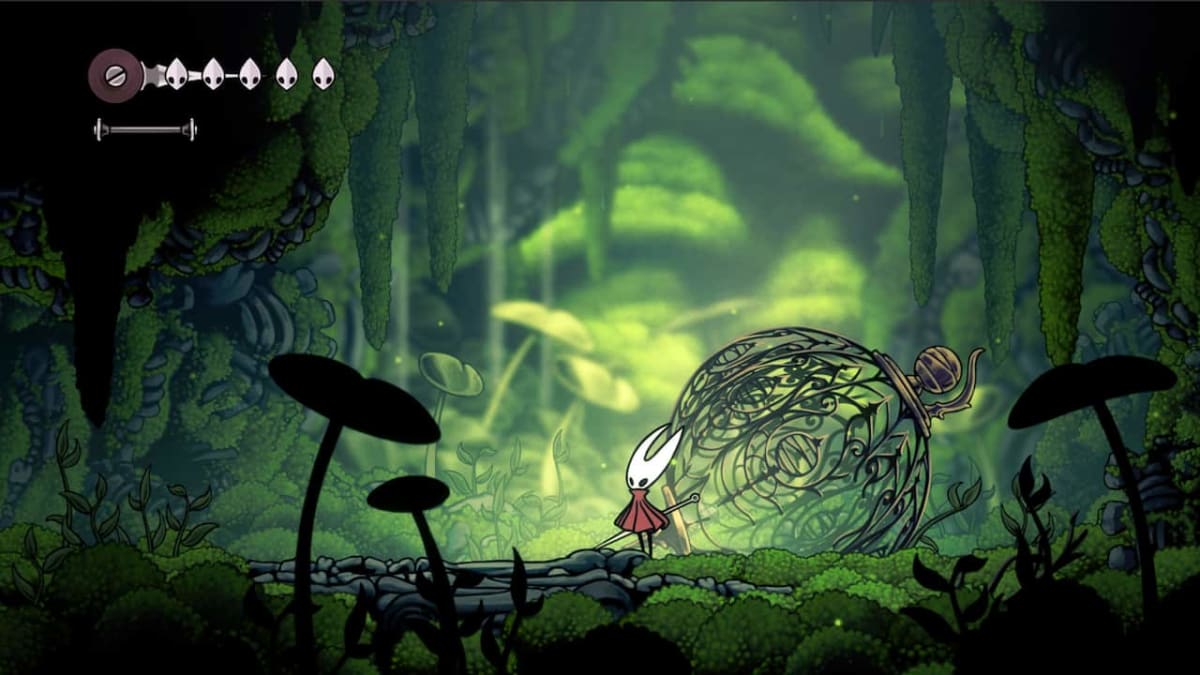
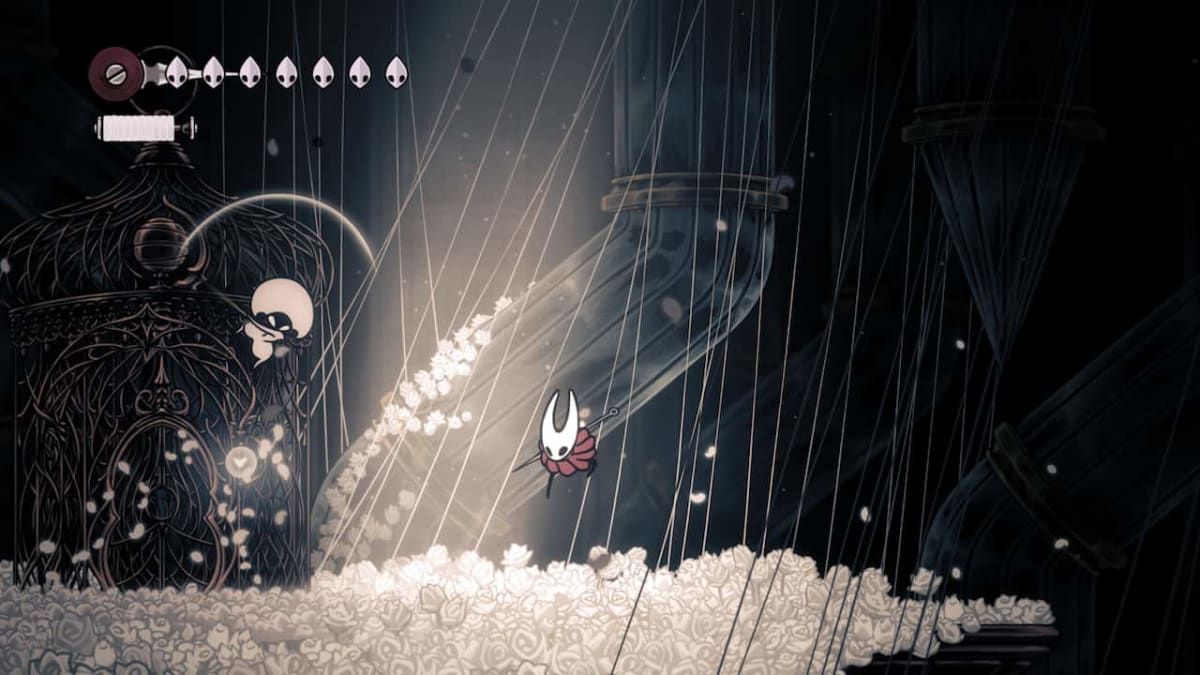
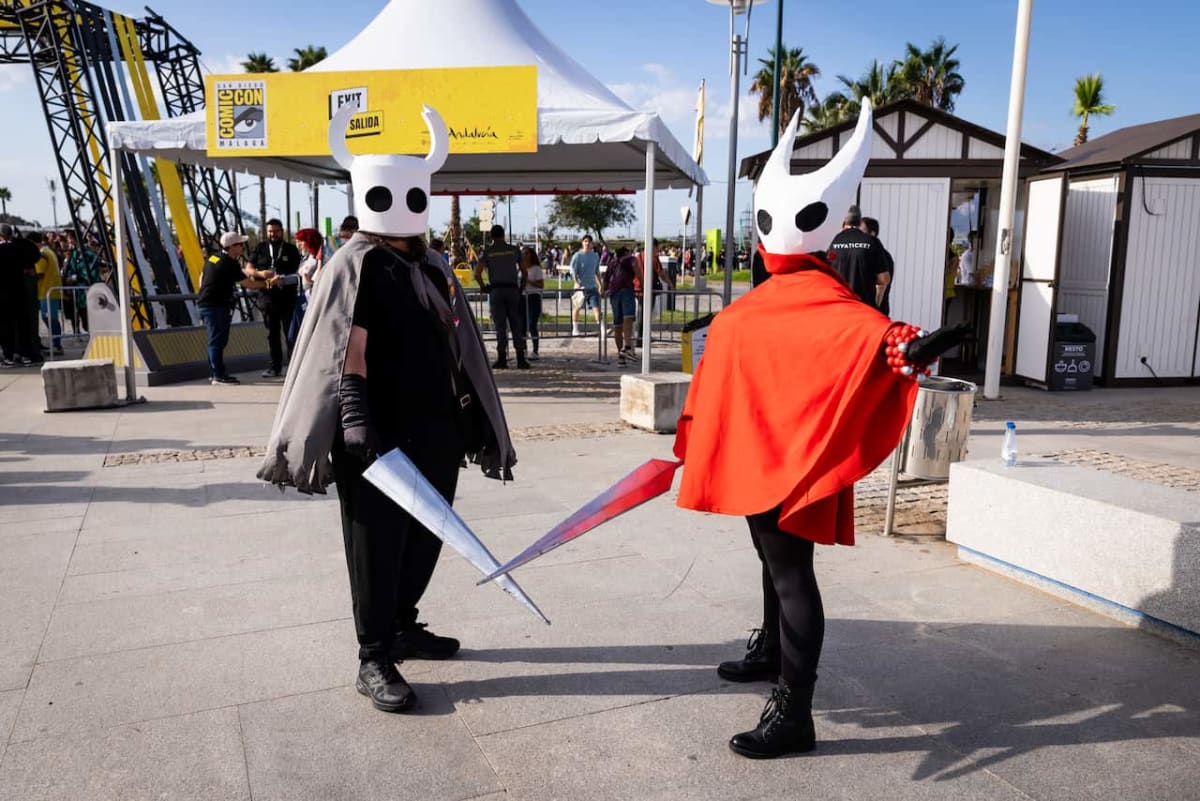
Hollow Knight: Silksong broke the internet. The sequel to 2017's indie phenomenon sold seven million copies by the end of 2025 and won Best Action/Adventure Game at the prestigious Game Awards.
Team Cherry's success story seems unlikely given where Australia's gaming industry stood two decades ago. In the late 2000s, international studios like Pandemic, THQ, and Electronic Arts shut down their Australian operations amid the global financial crisis.
The collapse was swift and brutal. Sydney's Team Bondi, which created the critically acclaimed LA Noire, entered administration in 2011 owing $1.4 million to creditors.
But from those ashes, something unexpected emerged. Developers who had worked at major studios started forming small, independent teams.
Ed Orman, Andrew James, and Ryan Lancaster worked on blockbusters like BioShock before founding Uppercut Games in 2011. They started with three people and grew steadily, releasing exploration games like Submerged that focused on discovery rather than combat.
"The AAA background was always a real benefit to Australia," Orman says. "It's a great place for people to learn an awful lot about how to make games."
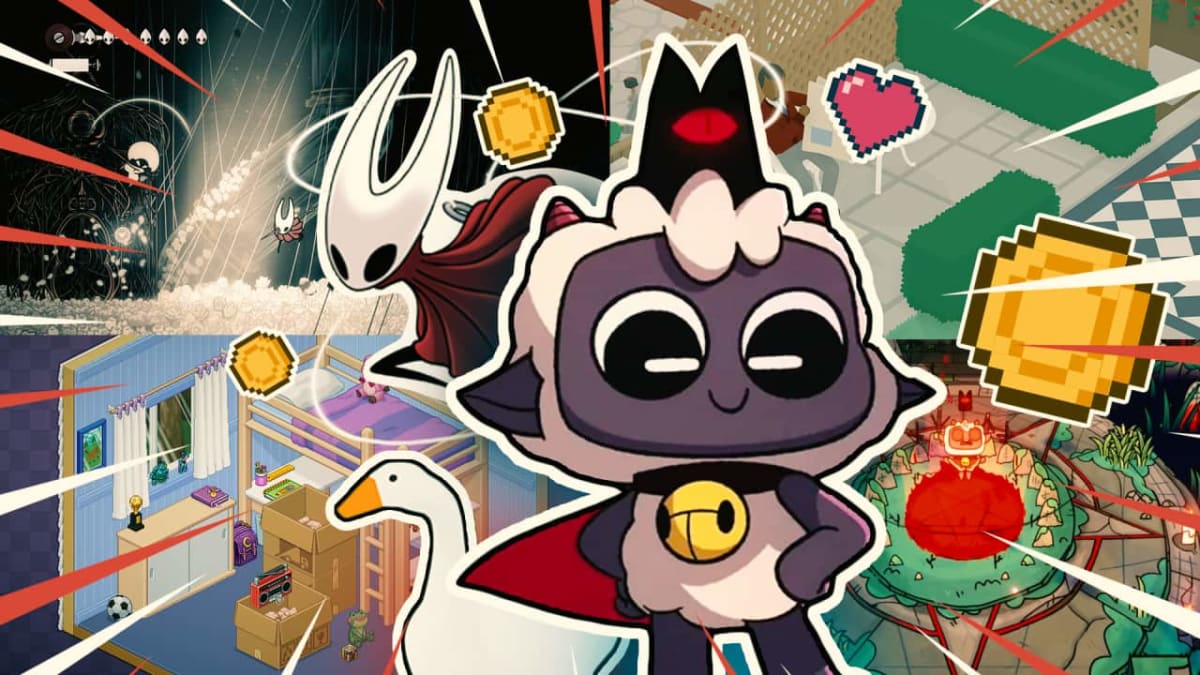
Australia's indie scene has produced multiple global hits beyond Hollow Knight. Untitled Goose Game, Unpacking, and Cult of the Lamb all found massive audiences worldwide.
The Ripple Effect
This resurgence means more than just successful games. Australian game studios now generate over $608 million in revenue annually, according to the Interactive Games and Entertainment Association.
The industry survived by thinking smaller and smarter. Without big budgets, Australian developers focused on creativity, distinctive art styles, and emotional storytelling that resonated with players globally.
Team Cherry exemplified this approach with Silksong. After announcing the sequel in 2019, they went silent for years while perfecting their vision. "We've been having fun," co-founder Ari Gibson told Bloomberg about the long development time.
That patience paid off spectacularly when Silksong launched with just two weeks' notice. Competitors reportedly delayed their own releases to avoid being overshadowed.
The transformation from near-extinction to thriving indie hub shows what happens when creative people refuse to give up. Australian developers turned industry collapse into an opportunity to build something more sustainable and uniquely their own.
More Images

Based on reporting by SBS Australia
This story was written by BrightWire based on verified news reports.
Spread the positivity!
Share this good news with someone who needs it