Australia's Garma Festival Celebrates 10,000-Year Ceremonies
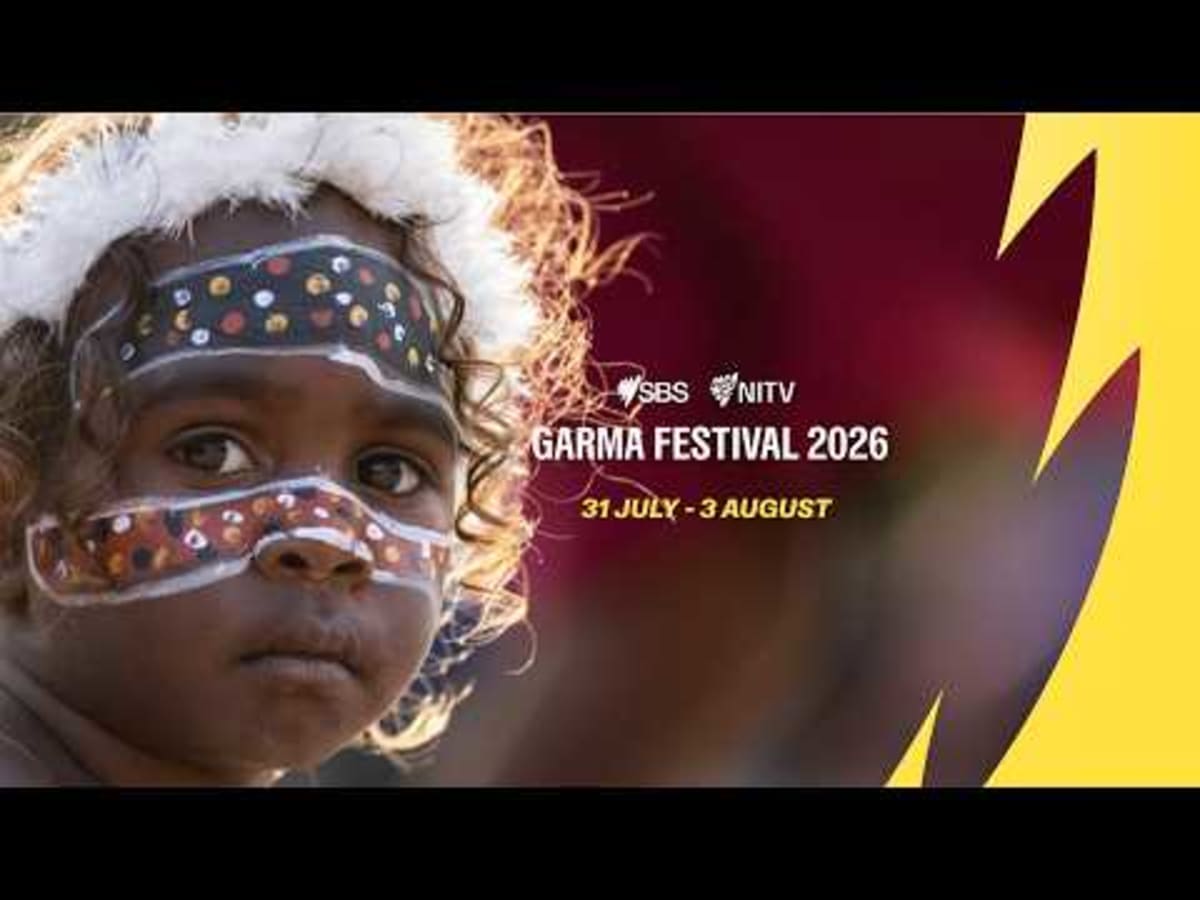
For 25 years, the Yolŋu people have welcomed the world to one of Australia's most important cultural gatherings. Their ancient traditions, including Earth's oldest continuing ceremonies, are creating bridges of understanding at the sacred site of Gulkula.
📺 Watch the full story above
Deep in Australia's Northern Territory, a gathering unlike any other brings thousands together to celebrate culture that predates recorded history by millennia.
The Garma Festival takes place at Gulkula, a sacred ceremonial site overlooking the Gulf of Carpentaria. For over 25 years, the Yolŋu people of northeastern Arnhem Land have hosted this remarkable exchange of knowledge and tradition.
The festival was conceived by Yolŋu leaders Dr Yunupingu and his brother Dr M. Yunupingu, frontman of celebrated rock band Yothu Yindi. They envisioned a platform where ancient culture could thrive while fostering dialogue with the modern world.
The name itself reflects this mission. "Garma" means "two-way learning process" in Yolŋu matha, the collective term for over 40 languages spoken by the region's 26 clans.
Since 1999, Garma has grown into one of Australia's leading forums for political and cultural dialogue. People from across Australia and around the globe journey to this remote location to participate in something extraordinary.
The centerpiece is the buŋgul, a ceremonial tradition featuring dance and song that ranks among the oldest continuing ceremonies on Earth. Yolŋu clans have performed these rituals for thousands of years, with dances mimicking animals, environmental elements, and ancestral stories.
Each evening's buŋgul concludes with an invitation that captures the festival's spirit. Yolŋu performers welcome non-Indigenous attendees to dance alongside them as one community.
The Ripple Effect
The Yolŋu's cultural preservation extends far beyond Earth. Their ceremonial songs were selected for the Voyager spacecraft's Golden Record, now the furthest human-made object from our planet, carrying their voice into the cosmos.
The location itself holds profound significance. According to tradition, Gulkula is where the sacred ancestral figure Ganbulabula first created the yidaki (didgeridoo) while searching for honey. Iconic artist Mungurrawuy Yunupingu described it as "an all-encompassing philosophical, physical, cosmological, theoretical place."
The Yolŋu were also among the first people called "Australians." English navigator Matthew Flinders used this term when describing encounters with Yolŋu people during his 1803 coastal charting expedition.
Their history of cultural exchange runs deep. Centuries before European contact, the Yolŋu traded with Makassan fishers from Indonesia for 300 to 500 years. Stone pictures near Yirrkala still record this history, depicting sailing vessels and trepang processing operations.
Today, some 26 clans maintain their connection to ancestral lands across a 200-kilometer region. They identify first by family group, then by clan and language, and finally by their family's country.
Through Garma, this ancient wisdom finds new audiences while maintaining its sacred essence, proving that tradition and progress can walk together.
More Images


Based on reporting by SBS Australia
This story was written by BrightWire based on verified news reports.
Spread the positivity!
Share this good news with someone who needs it