Australia's Largest AI Factory to Run on Renewable Energy
A groundbreaking AI data center powered by wind and solar will be built in partnership with Indigenous landowners in Western Australia's Kimberley region. Opening in 2032, it will be Australia's largest facility for training AI models like those behind ChatGPT.
Australia is building its biggest AI training facility in one of the country's most remote regions, and it's doing so with renewable energy and genuine Indigenous partnership at its core.
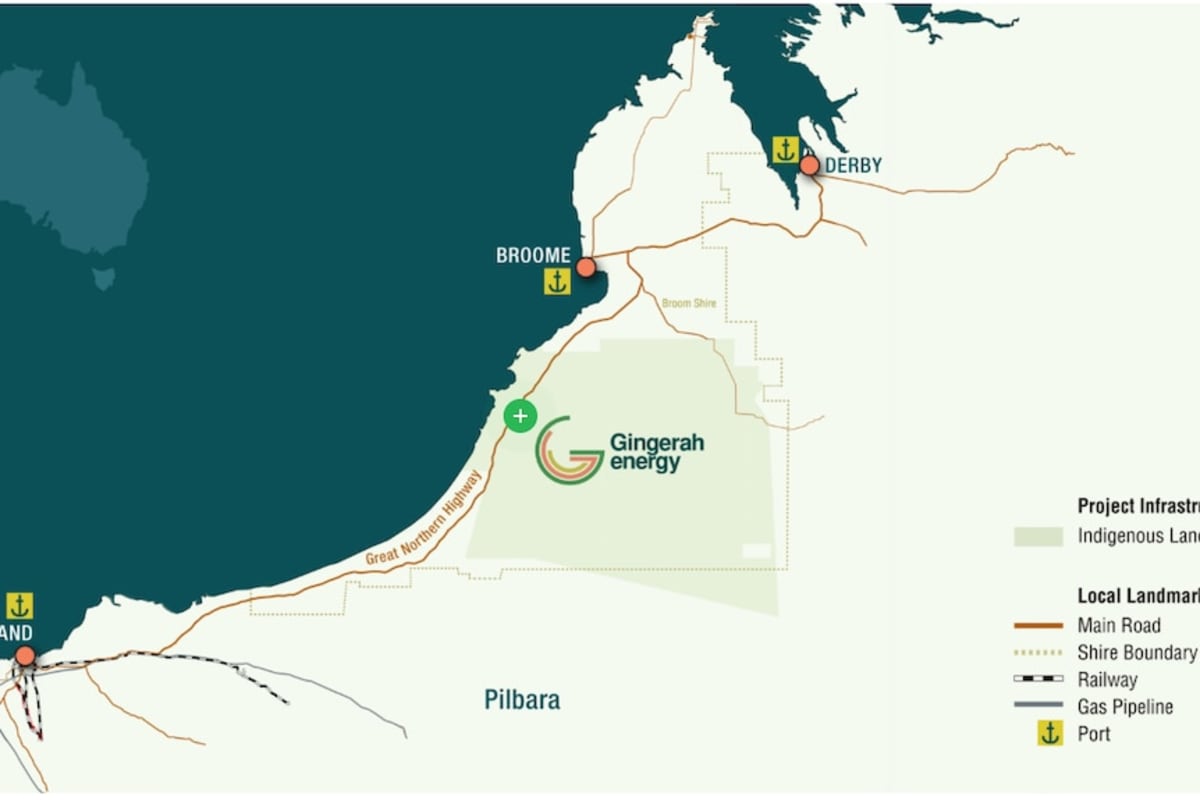
Project Meridien will rise from Karajarri country south of Broome in Western Australia's Kimberley, 2,000 kilometers north of Perth. The multi-billion dollar "AI factory" will provide 240 megawatts of computing power initially, eventually expanding to 1 gigawatt as it grows four times larger.
What sets this project apart is how it's being built. The Karajarri Traditional Lands Association owns one-third of the venture alongside Dutch geodata company Fugro and Australian geoscience firm Longreach Capital Investment.
"It's unique in the sense traditional owners are becoming partners in a green energy project powered by renewable energy," said KTLA chairperson Thomas King. He noted that traditional owners co-owning such a significant project is rare in Australia.
The facility will train large language models that power services like ChatGPT, Gemini, and Copilot. Australia already has more than 250 data centers, but most range from just five to 10 megawatts. This project dwarfs them all.
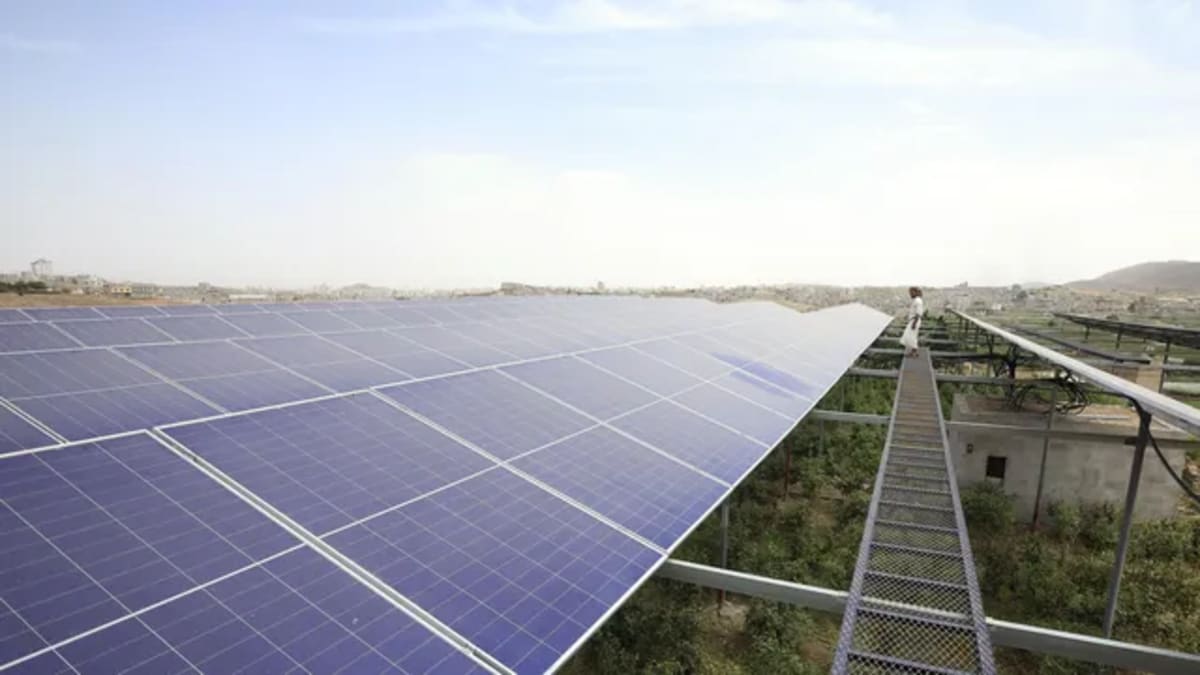
Wind turbines and solar panels will power the single-story complex, supplemented by batteries and some natural gas. The facility will use a closed-loop water system that recirculates the same water, avoiding the massive water consumption that plagues some AI data centers using evaporative cooling.
Chief executive Jop van Hattum said domestic mining companies and international clients in Singapore could benefit from the facility. The geographic proximity to Singapore means signals can travel quickly via fiber optic cable, delivering the real-time information companies need.
The Ripple Effect
The Indigenous Land Use Agreement covers more than 30,000 square kilometers, with just 275 square kilometers designated for development. King said the project aligns with Indigenous principles about minimizing environmental impact, though not all KTLA members unanimously support it.
The company plans to advance environmental studies before referring the project to Western Australia's Environmental Protection Authority for assessment. Construction is expected to start in late 2029 or early 2030, with doors opening in 2032.
This isn't just about building Australia's largest AI facility—it's about showing that cutting-edge technology, environmental responsibility, and Indigenous partnership can power the future together.
More Images



Based on reporting by ABC Australia
This story was written by BrightWire based on verified news reports.
Spread the positivity!
Share this good news with someone who needs it