Australia's NAIDOC Week Turns 50 Years of Celebration
What began as a single day of protest in 1938 has blossomed into a week-long celebration of Indigenous Australian culture, recognition, and achievement. NAIDOC Week now marks 50 years as a national celebration, bringing together communities across Australia to honor the past and inspire the future. #
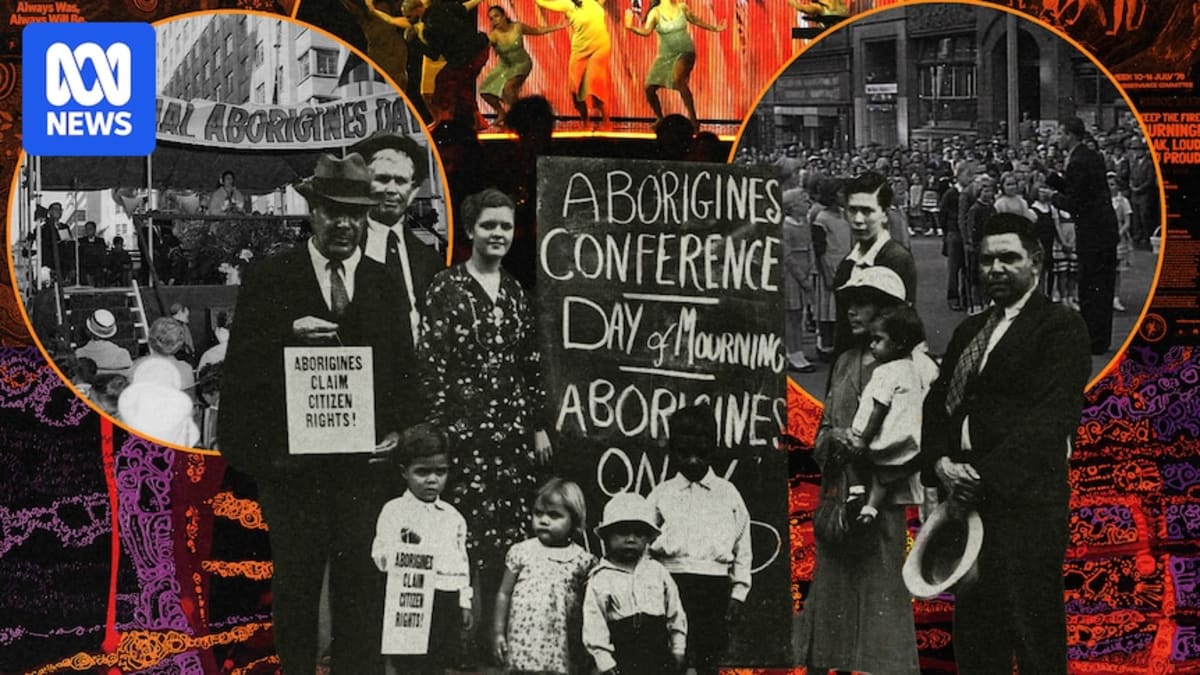
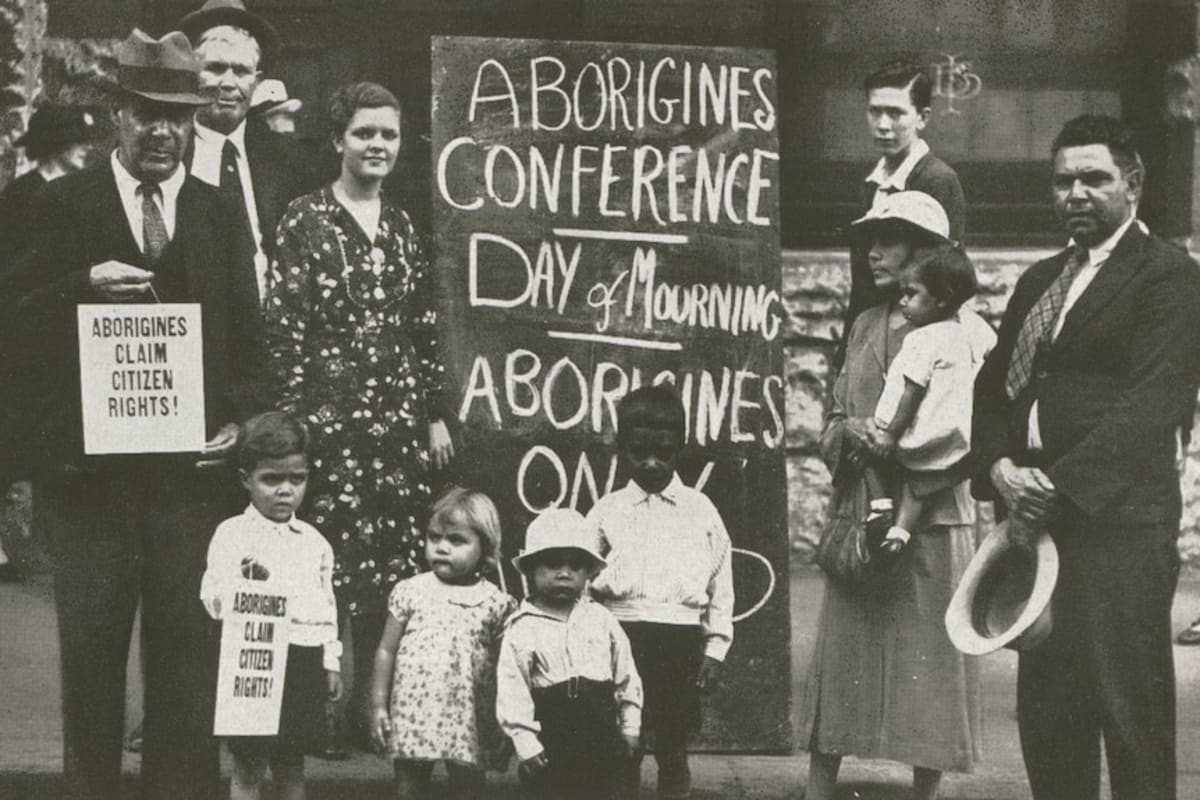
In 1938, Louisa Agnes Ingram stood in protest holding her child, demanding recognition and rights for Aboriginal people as Australia celebrated colonization. Her daughter, Aunty Millie Ingram, now 86, watched that movement grow into something her mother could hardly have imagined.
That single day of mourning has transformed into NAIDOC Week, a nationwide celebration now reaching its 50th anniversary as a week-long event. From small regional towns to capital cities, millions of Australians gather each July to celebrate Indigenous culture, achievements, and ongoing progress.
Aunty Millie remembers growing up on Erambie mission near Cowra in the 1940s, when discrimination was widespread and survival was the daily concern. Her mother fought for rights and recognition through grassroots organizing, alongside countless other Aboriginal activists who refused to stay silent.
"Back in those days, we were all concerned about survival," Aunty Millie said. "We were just so oppressed at that time, but there was a lot of fighting going on."
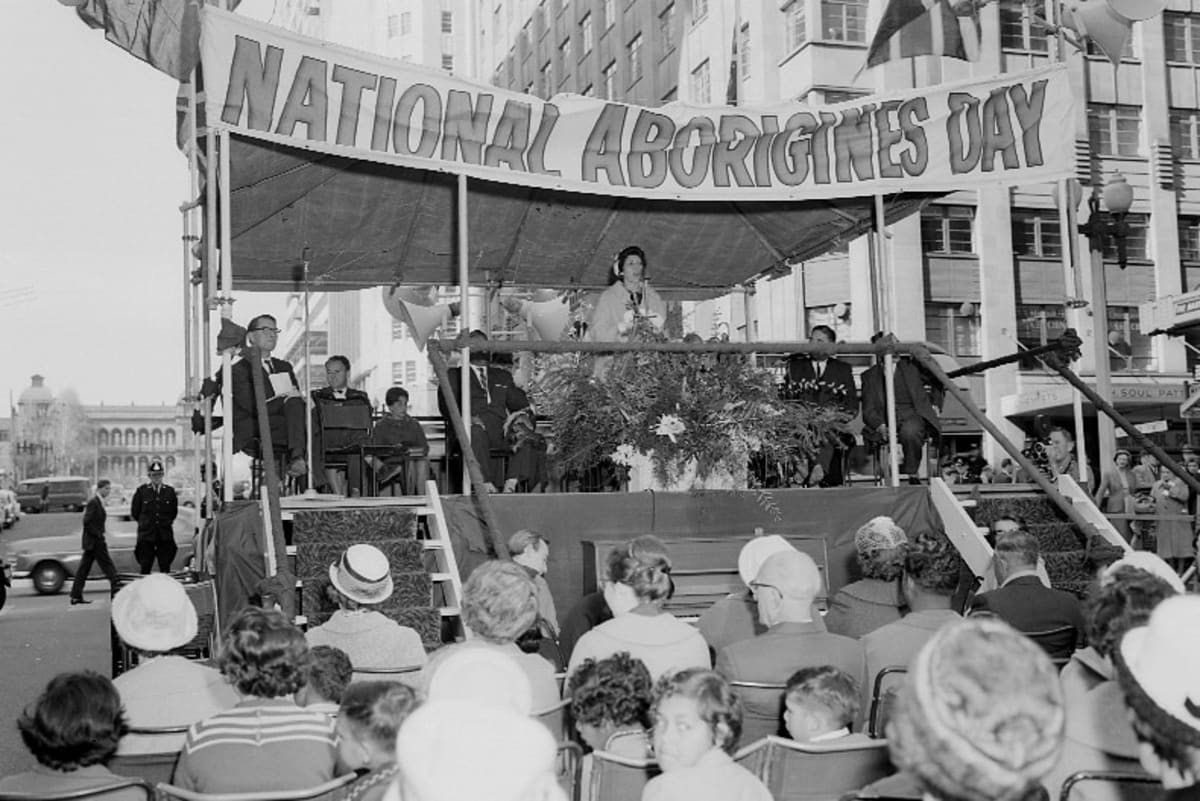
The movement started gaining momentum in 1965 with National Aborigines Day, featuring community events, debutante balls, and marches. By the mid-1970s, the organizing committee became fully Indigenous-led and expanded the celebration to an entire week.
In 1991, Torres Strait Islander peoples were formally recognized when organizers added the "I" to create NAIDOC. The name change reflected a broader commitment to honoring all First Nations Australians.
The Ripple Effect
Today's NAIDOC Week reaches far beyond its activist roots. Major Australian companies now participate in the celebration, schools teach NAIDOC history, and non-Indigenous Australians join community events alongside First Nations peoples.
Inala Cooper, a Yawuru woman and National NAIDOC Committee member, said the expansion reflects natural growth. "The momentum of activism as well as celebration has meant that one day just wasn't big enough," she explained.
The annual NAIDOC Awards ceremony honors Indigenous Australians making significant community contributions across 10 categories. Aunty Millie received the 2024 Female Elder Award for establishing Australia's first Aboriginal-run preschool and her lifetime of advocacy work.
Comedian Kevin Kropinyeri, a proud Ngarrindjeri man, said "deadly" means recognizing community champions working in health and education. "I love my people and that's what deadly means to me," he said.
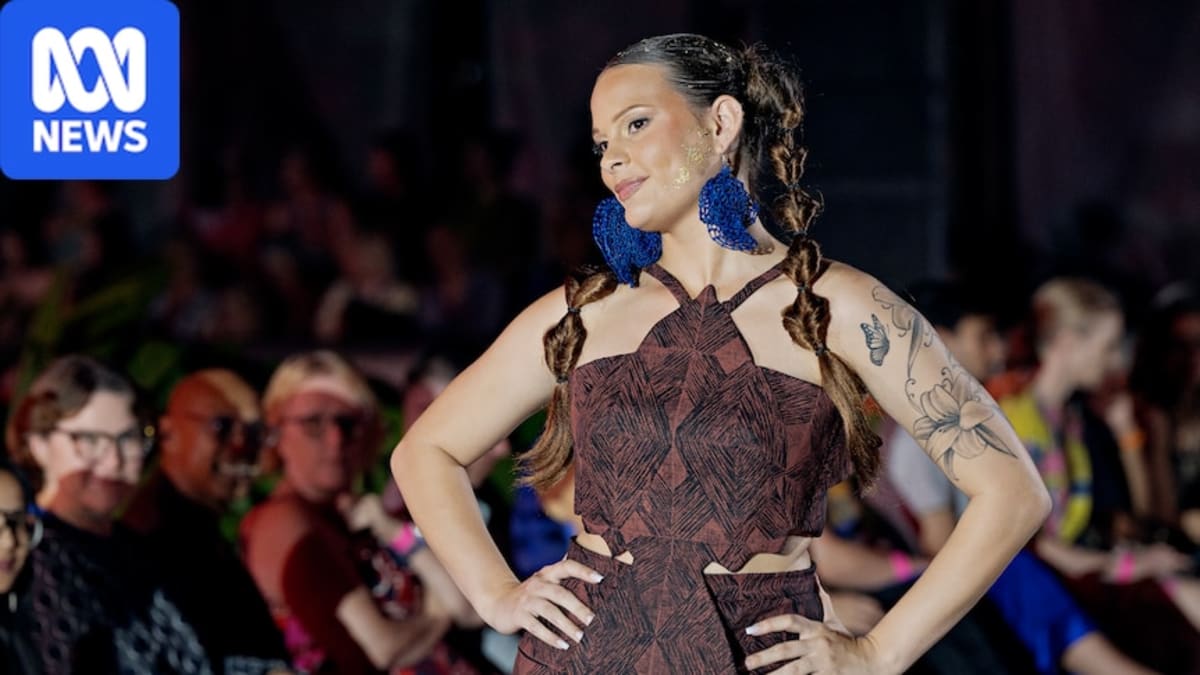
This year's theme, "50 Years of Deadly," celebrates both the distance traveled and the journey ahead. Events range from glamorous awards ceremonies to local art exhibitions and festivals, each honoring the persistence of people like Louisa Ingram who demanded change.
From protest to celebration, NAIDOC Week proves that movements started by determined individuals can transform entire nations.
#
More Images

Based on reporting by ABC Australia
This story was written by BrightWire based on verified news reports.
Spread the positivity!
Share this good news with someone who needs it