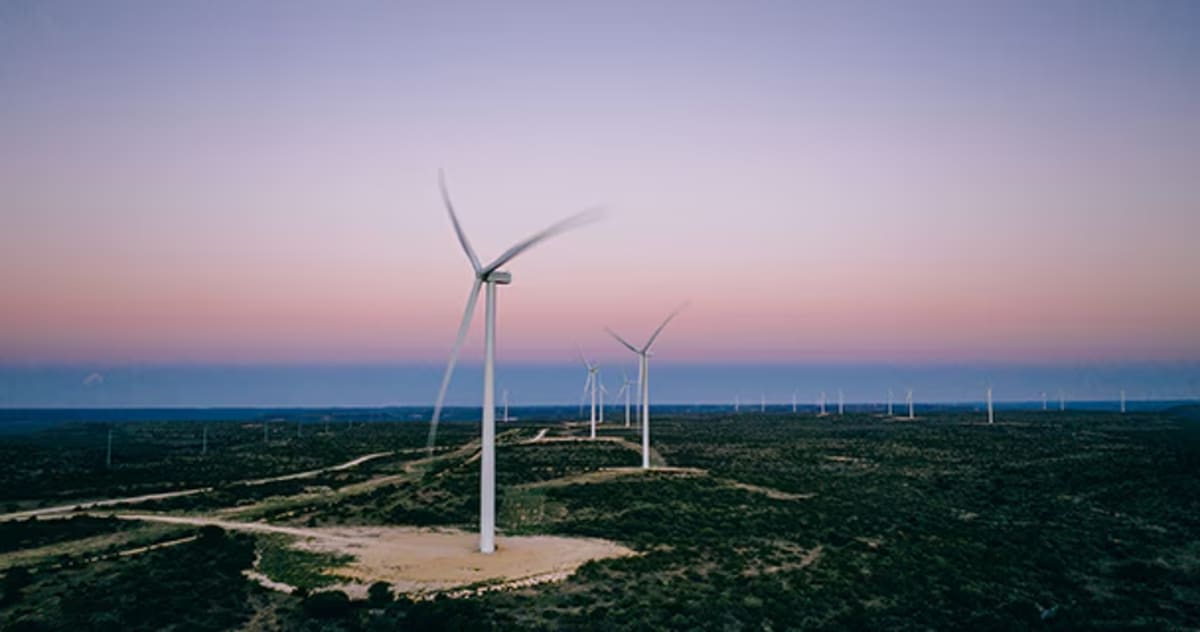
Australia's Solar Power Hits 67% During Peak Demand
While temperatures soared past 45°C in Melbourne, Australia's grid achieved something remarkable: solar energy met 67% of electricity demand during peak hours. The country's renewable energy now powers the nation as much as coal does.
Australia just proved the doubters wrong in the most spectacular way possible.
During a scorching heatwave this week, solar energy provided 67% of the country's electricity between noon and 1pm. That's right: while millions of Australians cranked their air conditioners to escape the heat, clean energy kept the lights on.
The numbers tell an incredible story. Over the past seven days, solar met 30% of all electricity needs across Australia's main grid, which serves five eastern states and the ACT. When you zoom in on daylight hours between 9am and 6pm, that number jumps to 59%.
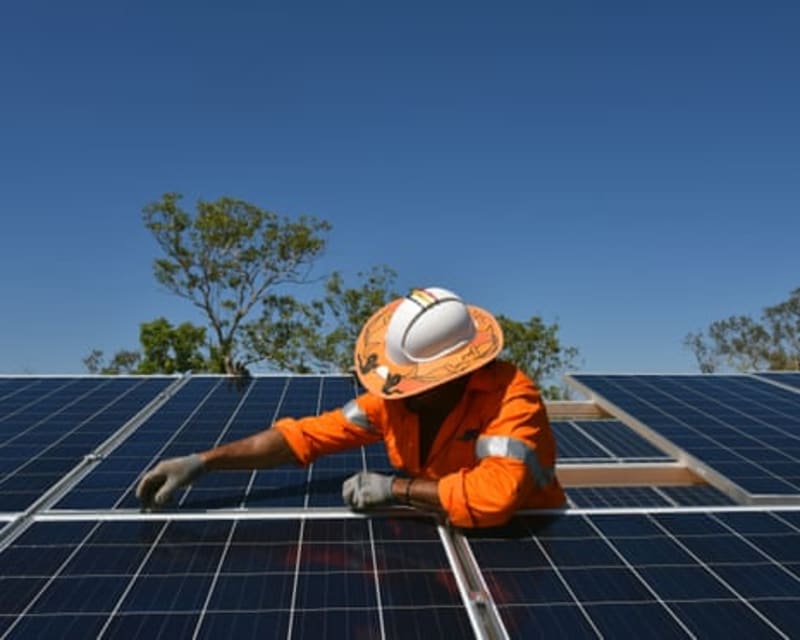
What makes this even more remarkable is where this power comes from. More than half of the solar energy comes from 4 million rooftops across the country. The rest flows from large solar farms scattered throughout the region.
This is the same grid that experts once said would collapse with more than 10% renewable energy. Some claimed 20% was absolutely impossible. Today, renewables and coal each provide roughly half of Australia's electricity throughout the year.
Dylan McConnell, a senior researcher at the University of New South Wales, watched the transformation happen in real time. In New South Wales and South Australia, solar output exceeded 70% of consumption during peak hours.
Coal plants, which once supplied nearly 90% of Australia's power, couldn't compete. Solar energy costs far less than burning coal. The aging coal fleet was reduced to filling gaps, providing barely a quarter of lunchtime electricity.
The Ripple Effect
The transformation happened faster than anyone predicted. Five years ago, renewables provided just 26% of generation. A decade ago, it was less than 15%, with solar contributing under 2%.
The Australian Energy Market Operator called the last three months of 2025 a "landmark moment." Renewables crossed 50% for the first time in a single quarter. Wholesale electricity prices dropped 44% compared to the same period in 2024.
Battery storage, crucial for the grid's future, tripled its output in just one year. These batteries help smooth the transition as coal plants retire and ensure reliability when the sun sets.
The heatwave provided the ultimate stress test. Days like these typically trigger blackout warnings or load shedding alerts. Instead, the system handled record demand with barely any issues.
McConnell noted the system showed "little volatility" even as temperatures pushed past 45°C. Things could have gone wrong during peak demand, but they didn't.
Australia still needs its coal plants to maintain grid security and fill evening gaps. Building synchronous condensers and other infrastructure remains essential before coal can fully retire.
But the country sits at an exciting crossroads. Investment in new renewable projects needs to accelerate to meet climate targets and replace retiring coal plants. Some politicians are actively trying to slow progress.
The reality is that massive change is already happening, and it's working beautifully.
More Images

Based on reporting by Google News - Clean Energy
This story was written by BrightWire based on verified news reports.
Spread the positivity!
Share this good news with someone who needs it