Australia's Solar Roofs Prevented Blackouts During Heatwave
When temperatures soared above 104°F for over a week, Australia's power grid stayed strong thanks to rooftop solar panels producing 30% of energy demand. What used to be the grid's most dangerous time of day has become a non-issue.
Twenty-five years ago, energy managers in Australia dreaded hot summer afternoons when air conditioners pushed the power grid to its breaking point. Today, those same hours are the easiest part of their day, and the reason sits on millions of rooftops.
Southern Australia just survived a brutal heatwave with temperatures exceeding 104°F for more than a week. Air conditioners ran nonstop, driving energy demand to record highs that historically would have triggered widespread blackouts.
The grid didn't just survive. It thrived.
Josh Stabler, managing director of advisory firm Energy Edge, watched the crisis that never came. On January 7, rooftop solar panels across the region generated 12 gigawatts of power, accounting for 30% of the entire grid's energy demand during peak hours.
"When I started 25 years ago, every single person was scared to death about what would happen at the middle of the hottest day," Stabler told the Australian Financial Review. "But now we have so much solar, it's not even a thing you worry about."
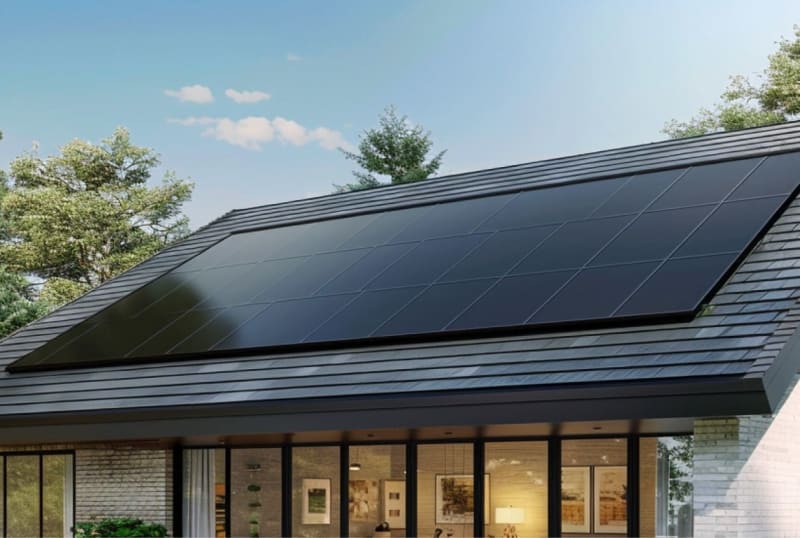
The transformation happened quietly over decades as homeowners installed panels one roof at a time. Each installation chipped away at the problem that used to plague grid managers: the midday to 4 p.m. window when blazing sun heated homes and strained power lines.
Now that same blazing sun powers the solution. The hottest, brightest hours generate the most solar energy exactly when demand spikes highest.
The Ripple Effect
Your neighbor's solar panels don't just lower their power bill. They reduce strain on your entire community's grid during heat emergencies.
Every rooftop system acts as a tiny power plant, feeding clean energy back into the network when it's needed most. Multiply that across thousands of homes, and the result is a grid that gets stronger as temperatures rise instead of weaker.
Australia's system still has gaps. Battery storage hasn't kept pace with solar adoption, so evening demand remains challenging when the sun sets but air conditioners keep running. But as more homeowners pair panels with batteries, even that problem will fade.
The country that once feared summer blackouts now exports a blueprint for handling climate extremes: distribute the solution across millions of roofs, and the grid takes care of itself when it matters most.
More Images


Based on reporting by Google News - Solar Power Record
This story was written by BrightWire based on verified news reports.
Spread the positivity!
Share this good news with someone who needs it