Australia's SpIRIT Satellite Completes 690M KM Space Mission
A shoebox-sized Australian satellite just wrapped up over two years in space, traveling the distance to Jupiter while capturing hundreds of images and detecting stellar explosions. The mission exceeded expectations and proved Australia can design, launch, and operate cutting-edge space technology.
Australia just proved it belongs among the world's space leaders, and it only took a shoebox-sized satellite to do it.
The SpIRIT nanosatellite, led by the University of Melbourne, completed its mission after 25 months in orbit. The tiny 11.5-kilogram spacecraft traveled an incredible 690 million kilometers, roughly the distance from Earth to Jupiter, completing about 16,000 orbits of our planet.
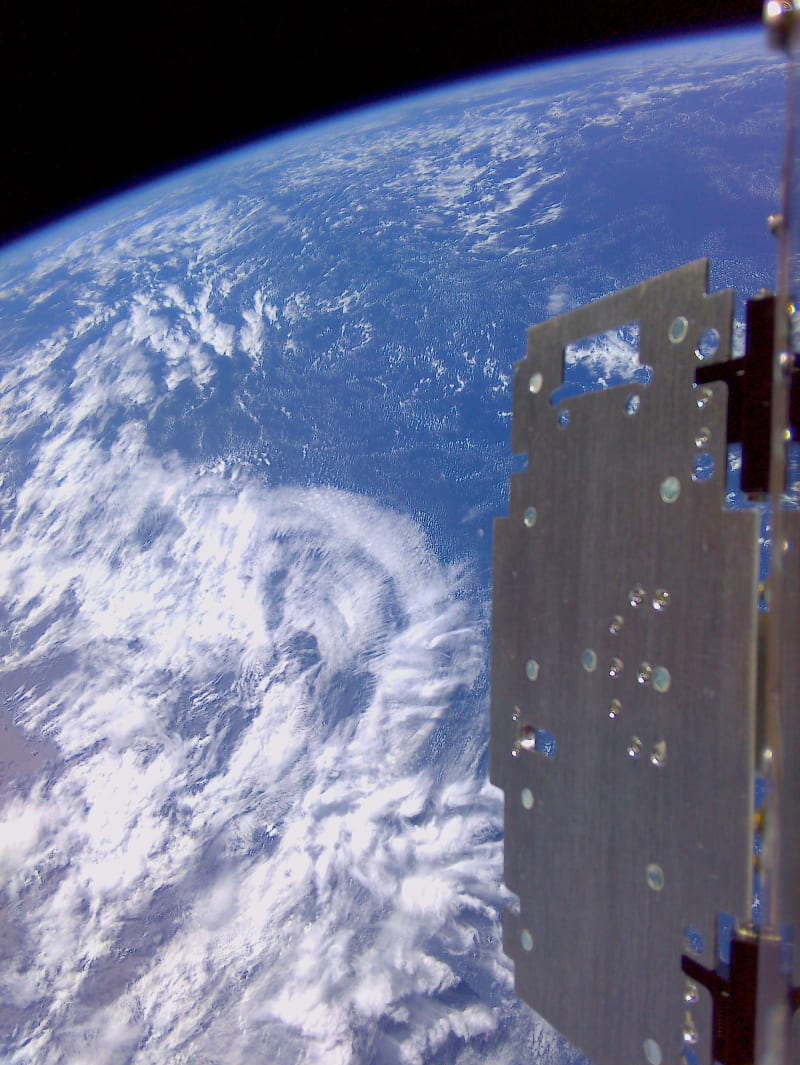
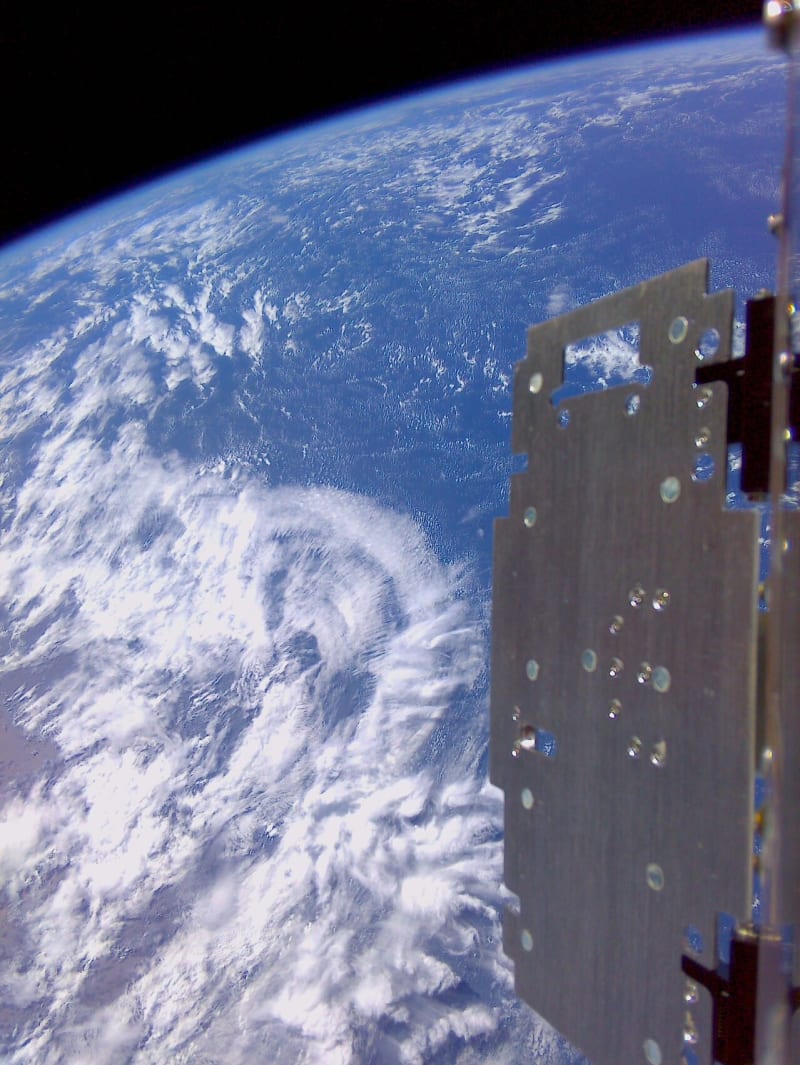
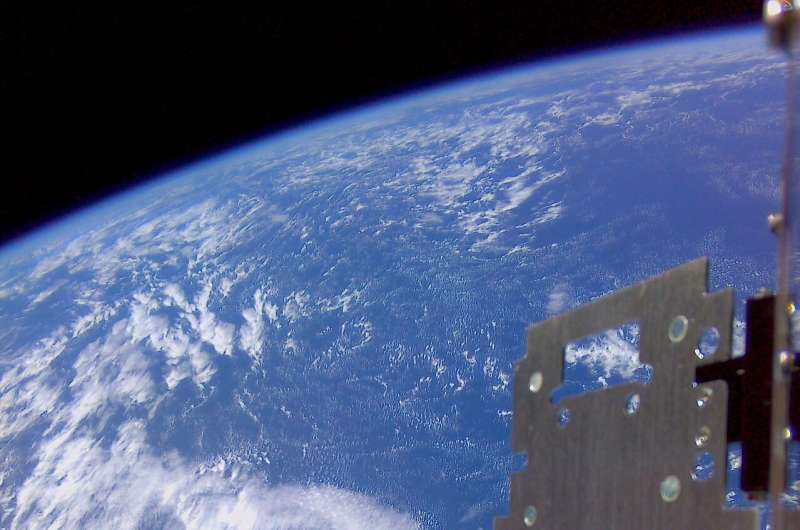
During its journey, SpIRIT sent back more than 400 images to Earth and captured hundreds more for onboard research. But the real magic happened with its gamma and X-ray detection instrument, which logged over 180 hours of data in late 2025 alone, hunting for powerful explosions from dying stars and merging neutron stars.
The mission exceeded its original two-year design life, a significant win for Australian space technology. SpIRIT demonstrated Australian-designed spacecraft systems while building crucial expertise across industry, research, and government sectors.
Professor Michele Trenti, the mission's leader, celebrated the achievement as a milestone for Australia's space capability. The collaboration brought together Australian companies including Inovor Technologies, Neumann Space, Nova Systems, and SITAEL Australia, working alongside the Italian Space Agency.
The Ripple Effect
SpIRIT's success reaches far beyond the data it collected. The mission created what Australian Space Agency Head Enrico Palermo calls "invaluable space heritage" for Australian technology, proving the nation can deliver reliable systems in orbit.
Three years after launch, the investment has positioned Australia as a trusted international partner on space missions. The partnerships formed and lessons learned will directly shape the next generation of Australian space technologies, from remote sensing to edge computing in orbit.
Even the mission's final chapter shows thoughtful planning. After experiencing technical issues in January 2026, the operations team determined the satellite had completed its work. SpIRIT will gradually descend and burn up completely in Earth's atmosphere around August 2026, leaving no debris behind.
The team now focuses on analyzing mission data for the broader scientific community, with several research publications in preparation. Every finding will inform future payload designs and missions.
The knowledge, hardware, and partnerships developed through SpIRIT represent a foundation for Australia's growing space sector, turning the nation's space ambitions from possibilities into proven capabilities.
More Images


Based on reporting by Phys.org
This story was written by BrightWire based on verified news reports.
Spread the positivity!
Share this good news with someone who needs it