Babies Understand Danger Better Than We Think
New research from Johns Hopkins reveals that infants aren't as oblivious as they seem. Their minds are actively processing complex information about safety and risk from a surprisingly young age.
That blank stare your baby gives you? There's a lot more going on behind those eyes than you might think.
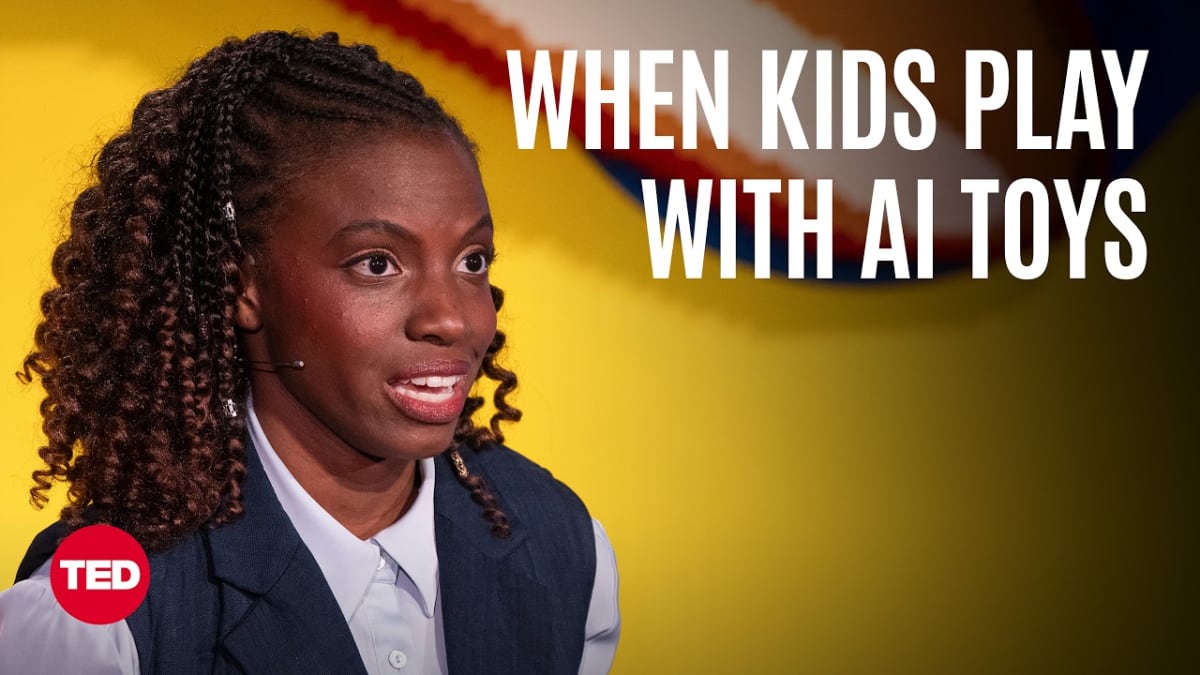
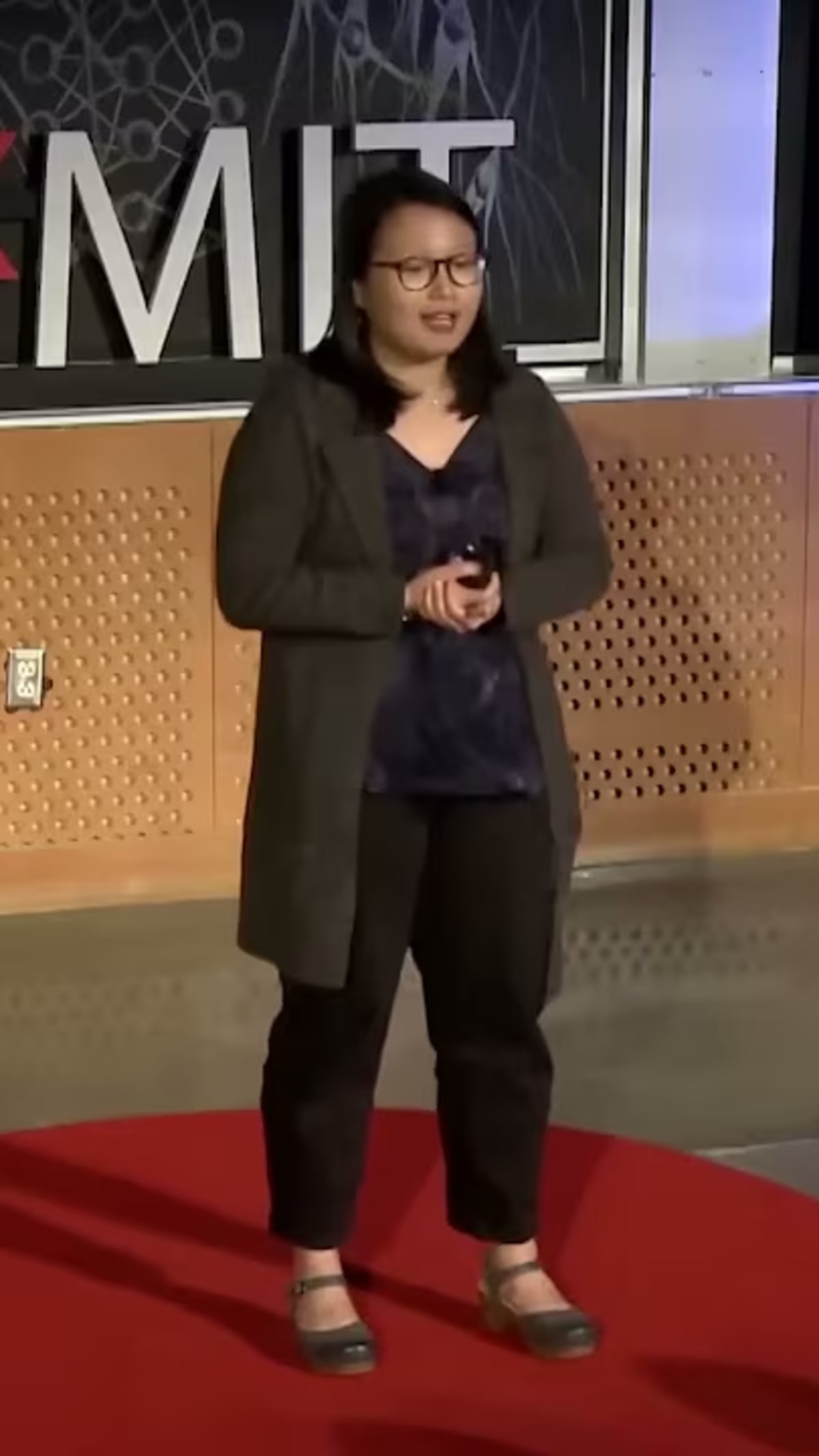
Shari Liu, a principal investigator at Johns Hopkins University, has spent years studying how babies understand the world around them. Her recent TED talk reveals something remarkable: infants are actually processing complex thoughts about danger, safety, and other people's intentions long before they can speak.
Most parents assume their babies are just passively observing the world. They see the drool, the wobbly movements, and the confused expressions and think nothing much is happening upstairs. But Liu's research shows the opposite is true.
Babies are constantly analyzing the actions of people around them. They're making predictions about what might happen next and evaluating whether situations are safe or risky. This mental work happens silently, invisibly, but it's happening all the time.
Liu focuses specifically on how infants understand other people's minds and actions. Her work explores both how this ability develops over time and what's happening in the brain when babies make these calculations. The findings suggest that even newborns come equipped with surprisingly sophisticated mental tools.
This research matters because it changes how we think about early childhood development. For decades, experts underestimated what babies could understand. Now we know they're active learners from day one, not passive observers waiting for their brains to switch on.
Why This Inspires
Understanding that babies are thinking deeply from the start gives parents and caregivers new respect for infant intelligence. It suggests that talking to babies, explaining things to them, and treating them as capable learners isn't silly at all. They really are listening, processing, and learning.
This research also opens doors for better early intervention when development doesn't follow typical patterns. If we know what babies should be understanding at different ages, we can identify problems earlier and help more effectively.
The work reminds us that human minds are remarkable from the very beginning. We don't become intelligent over time; we start out that way and just keep building.
Based on reporting by TED
This story was written by BrightWire based on verified news reports.
Spread the positivity!
Share this good news with someone who needs it