Baby Baboons Get Jealous of Their Siblings, Study Finds
Scientists watching wild baboons in Namibia discovered that baby baboons interrupt their moms during grooming sessions with siblings, mirroring human sibling rivalry. The breakthrough study shows jealousy runs deeper in the primate family tree than researchers thought.
If you've ever watched a toddler melt down when mom hugs their little brother, scientists just found your child has something in common with baby baboons.
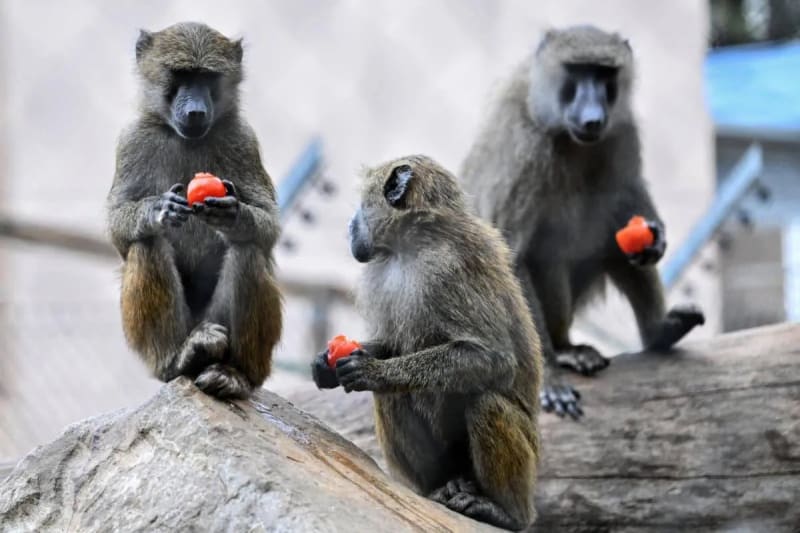
Researchers studying wild baboons in Namibia discovered that young baboons compete for their mother's attention just like human siblings do. The finding surprised scientists who thought primate siblings, born years apart, wouldn't need to compete for mom's time and resources.
Evolutionary biologist Axelle Delaunay and her team spent months in 2021 watching two baboon troops at Tsaobis Nature Park in central Namibia. They focused on 16 families with 49 young baboons, carefully recording every time a baby interrupted mom's grooming sessions.
The baby baboons used the full playbook of sibling tactics. They bit, slapped, cried out, or gently nudged for affection when mom was busy grooming a brother or sister.
What the scientists found looked remarkably familiar. Young baboons interrupted their mothers far more often when she was grooming a sibling than when she was just resting.
The researchers even created a favoritism index showing that baboon moms, like human parents, sometimes prefer grooming certain children over others. That preference triggered more jealous outbursts from the overlooked siblings.
Why This Inspires
This discovery deepens our understanding of emotions we thought were uniquely human. Jealousy isn't a character flaw or learned behavior passed down through human culture. It's an ancient emotion hardwired into our primate brains over millions of years of evolution.
The study, published in Proceedings of the Royal Society B: Biological Sciences, shows that the feelings causing chaos at your dinner table connect us to the natural world in unexpected ways. Even though baboon societies differ from ours, with females holding power and males leaving home after puberty, the bonds between mothers and children create the same emotional experiences.
Interestingly, the jealous outbursts didn't work very well. Mothers only stopped grooming one child because of another's tantrum about 20 percent of the time. And they switched to grooming the jealous child just nine percent of the time.
That low success rate suggests jealousy evolved for reasons beyond immediate payoff. Perhaps it strengthens sibling bonds in the long run or helps young baboons practice social skills they'll need as adults.
The next time sibling rivalry erupts in your home, remember those baby baboons in the Namibian wilderness. You're watching an emotion millions of years in the making, connecting your family to our closest animal relatives.
More Images

Based on reporting by Google News - Researchers Find
This story was written by BrightWire based on verified news reports.
Spread the positivity!
Share this good news with someone who needs it