Baby Elephant Born in Indonesia Park Boosts Conservation
A 123-kilogram Sumatran elephant calf was born at an Indonesian wildlife park, offering fresh hope for one of the world's most endangered species. The successful birth shows that well-managed conservation programs can help protect animals facing extinction.
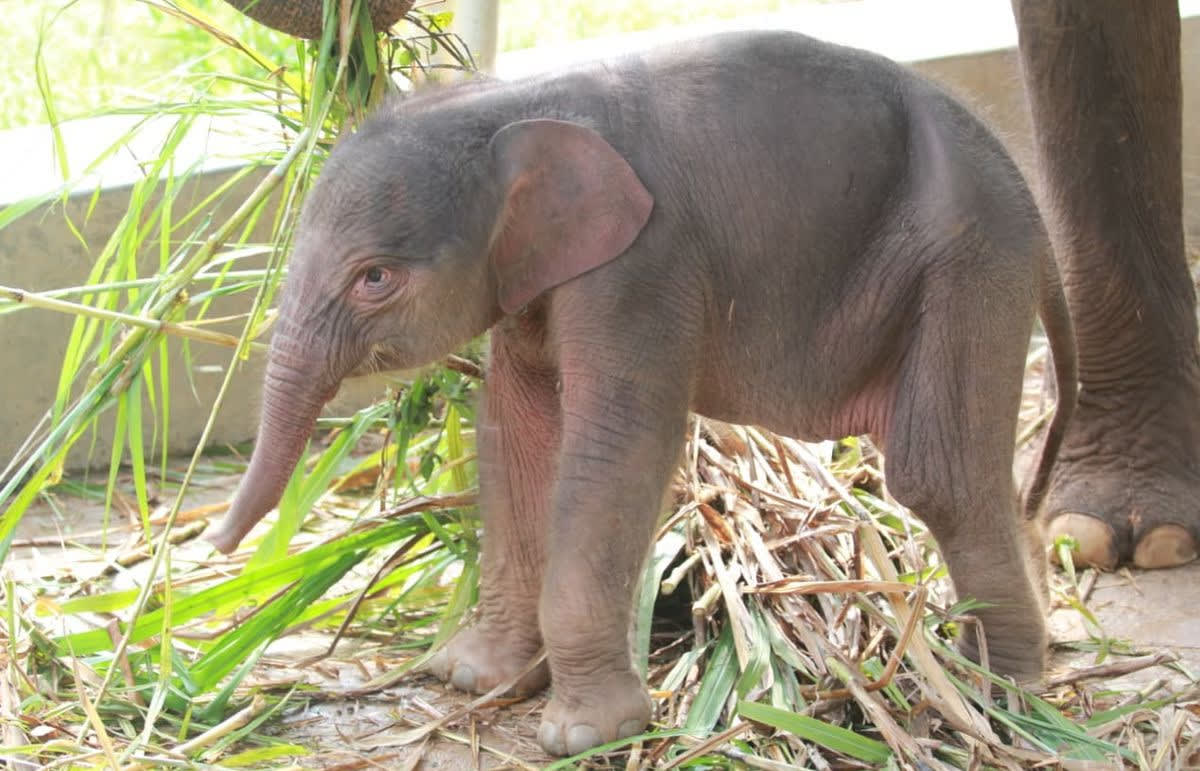
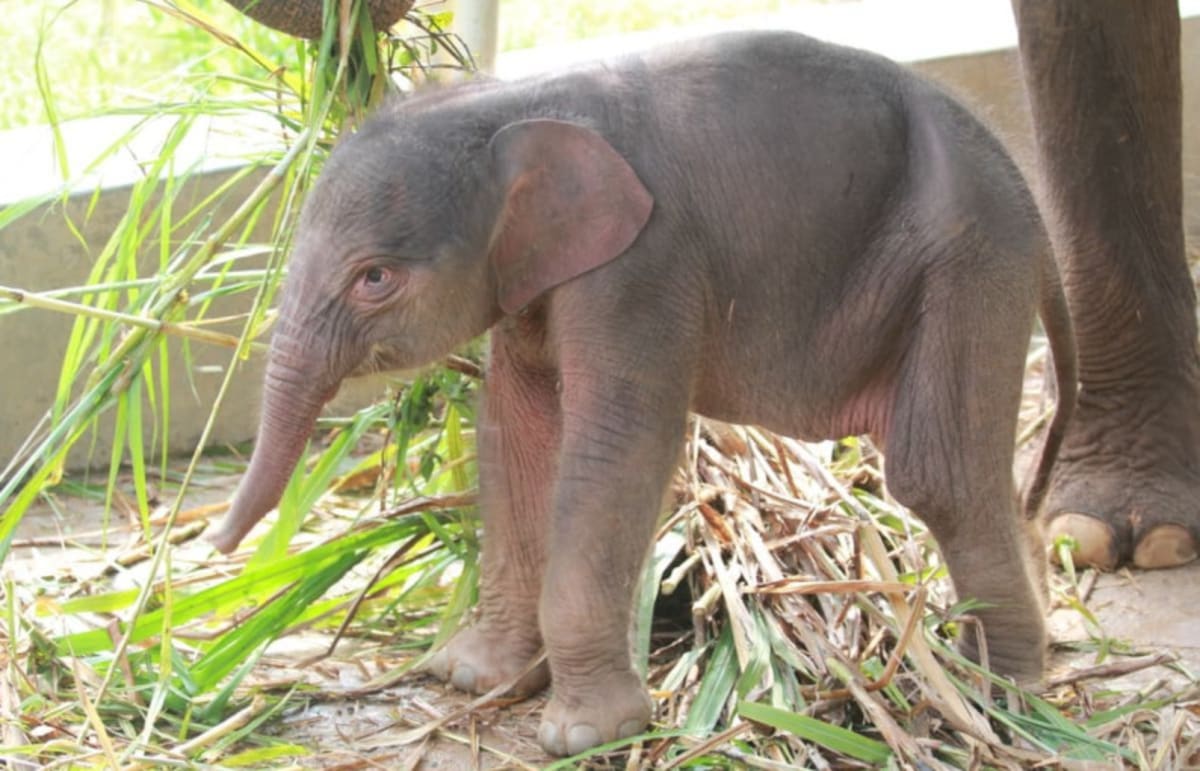
A tiny 123-kilogram Sumatran elephant took her first steps at Lembah Hijau Wildlife Park in Lampung, Indonesia on June 5, bringing new hope to conservationists fighting to save the critically endangered species. The healthy calf represents a major victory for the park, which had already achieved success breeding Sumatran tigers.
Breeding elephants in captivity is remarkably difficult. Female elephants carry their babies for 18 to 22 months, making every pregnancy a long-term commitment requiring careful monitoring.
Professor Wisnu Nurcahyo from Universitas Gadjah Mada's Faculty of Veterinary Medicine explained that genetic diversity makes all the difference. When unrelated elephants breed, they create stronger offspring and enrich the overall population's genetic health.
"If the male and female are unrelated, the conservation value is high because it introduces new genetic material," Nurcahyo said. Inbreeding, by contrast, can lead to health problems, miscarriages, and infant mortality.
The success at Lembah Hijau came down to attentive care. Veterinarians and mahouts (elephant handlers) carefully observed the animals to identify the perfect time for natural mating to occur.
While these elephants won't return to the wild, they serve a different but equally important purpose. Animals raised in conservation parks have adapted to life with human caretakers and wouldn't survive foraging on their own.
The Ripple Effect
Conservation parks like Lembah Hijau create waves of positive impact beyond their gates. They rescue and protect endangered animals while teaching the public about wildlife biology, behavior, and nutrition through direct observation.
These educational opportunities help people understand why conservation matters and how it works. When visitors see a baby elephant thriving under expert care, they connect emotionally with conservation efforts in ways that statistics alone cannot achieve.
The birth also provides a roadmap for other Indonesian conservation facilities. Success requires genuine commitment to animal welfare, including comfortable environments, quality healthcare, reliable food supplies, and proper enrichment activities.
"If the environment is comfortable, food is available, health is maintained, and adequate water and enrichment facilities are provided, animals will reproduce successfully," Nurcahyo noted. He emphasized that managers must prioritize animal wellbeing over ticket revenue.
With Sumatran elephants facing threats from habitat loss, human-wildlife conflict, and poaching, every healthy birth matters. This little calf represents not just one life saved, but proof that dedicated conservation programs can make a real difference for species on the brink.
More Images
Based on reporting by Google News - Conservation Success
This story was written by BrightWire based on verified news reports.
Spread the positivity!
Share this good news with someone who needs it