Baby Genome Screening Saves 2-Year-Old's Life in Australia
A toddler with a rare immune disorder is thriving after whole-genome screening at birth caught her condition early. New studies show this technology could save thousands of children worldwide.
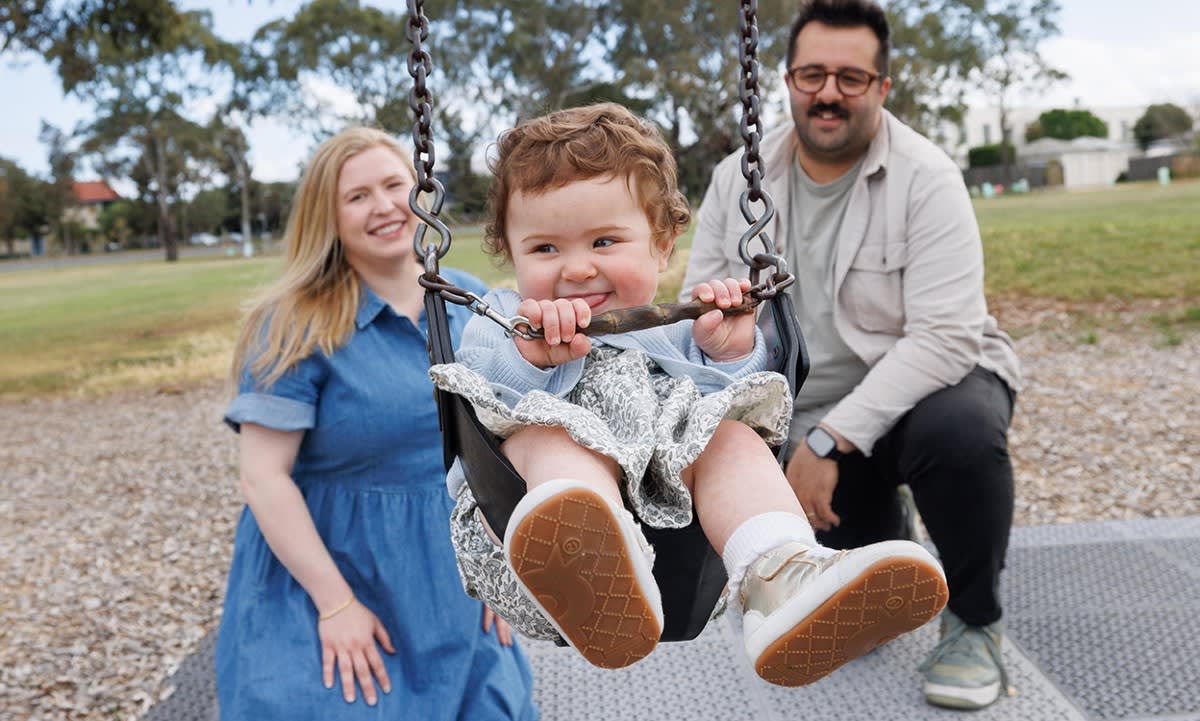
Two-year-old Giselle Ghattas loves diving down playground slides and climbing everything in sight, all thanks to a Facebook post her parents almost scrolled past.
Giselle has a rare genetic disorder called familial HLH that causes dangerous inflammation and can lead to organ failure and death within months. Most children with this condition aren't diagnosed until it's too late because symptoms are easily mistaken for other illnesses.
But Giselle's parents saw a social media post about BabyScreen+, an Australian study using whole-genome sequencing to screen newborns for severe, treatable diseases. They enrolled their daughter right after birth.
The screening caught Giselle's condition early enough for her to receive a life-saving bone marrow transplant at just six months old. Today, she's a fearless, funny toddler who only needs routine checkups.
BabyScreen+ is one of dozens of studies worldwide testing whether genome screening could transform how we protect newborns. Traditional newborn screening checks dried blood spots for up to 66 conditions in the US, though many countries test for far fewer.
Genomic screening could detect more than 700 disorders using the same blood sample. Early results are remarkable.
The GUARDIAN study screened 15,000 babies and confirmed 411 infants with serious conditions that standard screening would have missed. Some of these children received bone marrow transplants and other treatments that saved their lives.
The BabySeq Project found that about 11% of sequenced infants had disease-associated genetic variants. Roughly one-third were already showing early symptoms that might have been overlooked without genomic screening.
Of the 3.6 million babies born in the US each year, current screening identifies about 1 in 600 with a condition. Genomic screening could identify thousands or even millions more children worldwide with rare diseases that are treatable when caught early.
The Ripple Effect
These advances come with challenges. The technology is currently expensive and difficult to scale up for widespread use.
Privacy concerns and potential insurance discrimination remain important considerations that researchers are working to address. Some families have had mixed experiences navigating unexpected genetic findings.
But for families like the Ghattases, the impact is undeniable. "If I had just kept scrolling on Facebook, we'd probably still be working out what's wrong with her," says Justin Ghattas, Giselle's father.
Wendy Chung, a physician-scientist at Boston Children's Hospital leading the GUARDIAN study, calls newborn screening one of the most successful public health initiatives ever because it leaves no child behind. Genomic screening could make that promise even more powerful.
These pilot programs are showing that early detection can prevent suffering and save lives on a scale we've never seen before.
More Images


Based on reporting by Nature News
This story was written by BrightWire based on verified news reports.
Spread the positivity!
Share this good news with someone who needs it