Backyard Astronomers Help NASA Track Moon Impacts
Volunteers with home telescopes are teaming up with NASA astronauts to document meteoroids crashing into the Moon, capturing flashes of light that reveal secrets about lunar impacts. Your backyard telescope could help scientists understand what's happening beneath the Moon's surface.
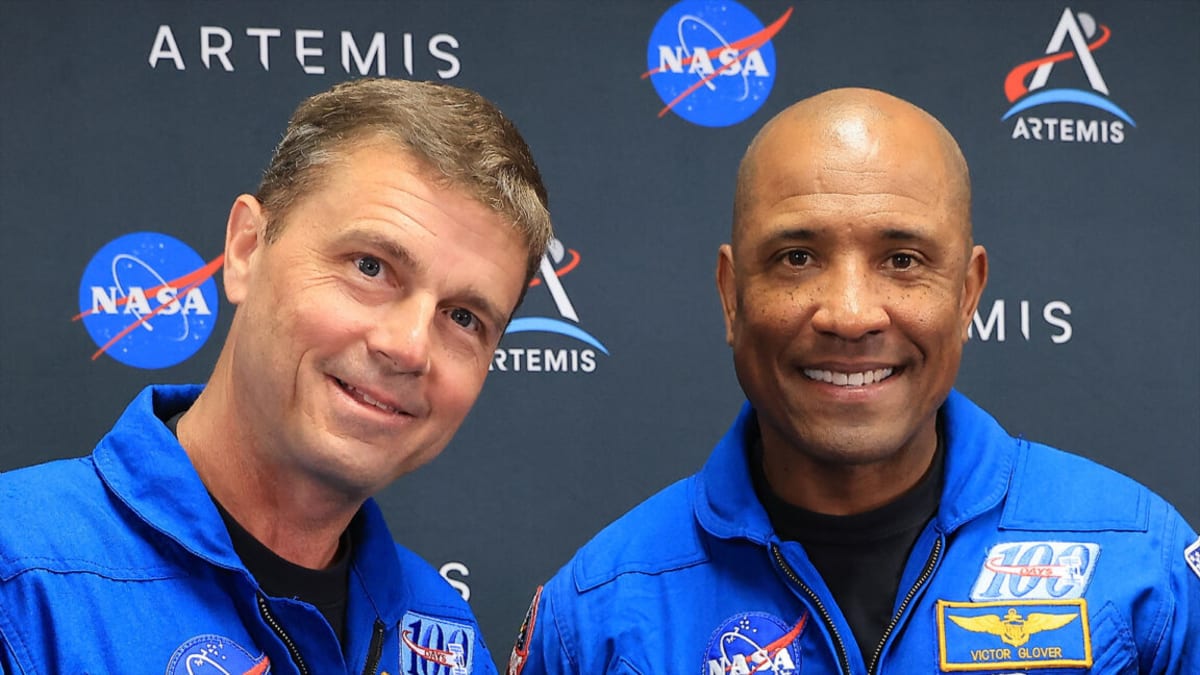
Imagine looking through your telescope and capturing the exact moment a space rock slams into the Moon. That's exactly what hundreds of volunteer astronomers did while NASA's Artemis II crew orbited the lunar surface in early April.
The astronauts spotted bright flashes on the Moon as meteoroids struck the surface below. At the same time, citizen scientists on Earth were pointing their own telescopes at the same lunar landscape, recording the same impacts from a completely different angle.
"We were incredibly grateful for the videos people submitted," said Ben Fernando, a planetary scientist at Los Alamos National Laboratory who leads the Impact Flash project. Comparing observations from space and Earth helps scientists figure out exactly where impacts happened, how big the meteoroids were, and what kind of craters they created.
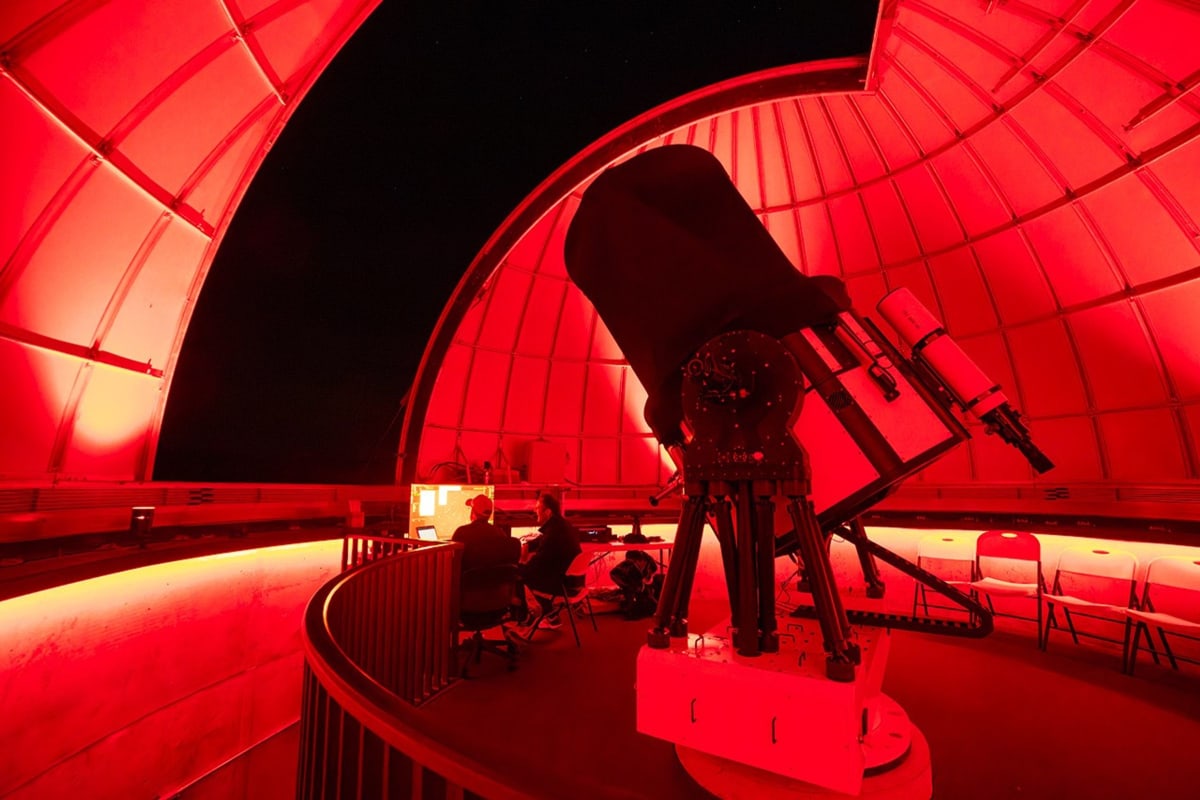
The Artemis II crew is back home now, but the real work is just beginning. NASA needs more volunteers to keep watching the Moon with telescopes at least four inches wide that can record video.
Every observation submitted helps scientists calculate how often the Moon gets hit and whether that rate changes over time. The more videos people send in, the clearer the picture becomes.
The Ripple Effect
This backyard science is building toward something bigger. NASA plans to place seismometers on the Moon to measure moonquakes, similar to earthquakes but happening on our celestial neighbor.
When those instruments start detecting tremors, scientists will need to know which ones came from meteoroid impacts versus other sources. That's where volunteer observations become crucial for mapping the Moon's interior structure.
The project brought together amateur astronomy groups from around the world, including teams in Italy and the United Kingdom. One volunteer, Joerg Tomczak, captured a confirmed impact flash candidate that scientists are now studying.
You don't need fancy equipment or a PhD to participate. If you have access to a decent telescope with video capability, you can contribute real data that NASA scientists will use in actual research. The Impact Flash website provides simple instructions for recording and uploading your observations.
Your backyard could become part of humanity's next giant leap in understanding our nearest neighbor in space.
More Images

Based on reporting by Google: volunteers help
This story was written by BrightWire based on verified news reports.
Spread the positivity!
Share this good news with someone who needs it