
Backyard Bug Hunters Unite: How Everyday Photographers Are Helping Science Thrive
Thousands of amateur photographers across Australia are turning their backyards into living laboratories, capturing stunning images of insects while contributing valuable data to scientists. The Bug Hunt project proves that anyone with a camera can make a meaningful difference in protecting our environment.
In a heartwarming fusion of nature, technology, and community spirit, everyday Australians are discovering that their own backyards hold the key to groundbreaking scientific research. Through the innovative Bug Hunt project, insect enthusiasts are picking up their cameras and smartphones to document the tiny creatures living right outside their doors, creating an invaluable resource for researchers nationwide.
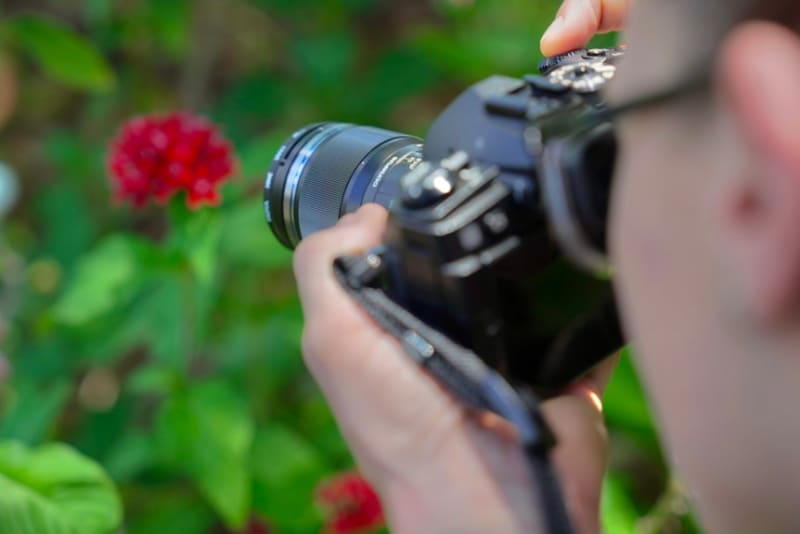
Elle Irvine's journey into the world of bug photography began during the COVID lockdowns of 2020, when her Brisbane backyard became an unexpected source of wonder and connection. What started as a creative outlet during isolation has blossomed into a passionate contribution to science. Now, through Bug Hunt, she's part of a growing movement that's revolutionizing how we understand and protect Australia's incredible invertebrate diversity.
The Bug Hunt initiative, a collaborative effort between the Invasive Species Council and Invertebrates Australia, harnesses the power of citizen science through the iNaturalist platform. The concept is beautifully simple: thousands of participants snap photos of bugs they encounter, creating a living, breathing database that scientists can use to monitor native species and identify potential threats to ecosystems.
"There's a lot of people who are really interested in the wildlife around them, but for the most part, people don't know what to do," Irvine explains. "Everybody can take pictures and that grows people's understanding. This gives them a really great way to get more information and to get involved as a community."
The impact of these collective efforts is remarkable. Dr. Chris Burwell, Queensland Museum's senior insect curator, describes projects like Bug Hunt as "incredible resources" that extend the reach of scientific research far beyond what any laboratory could achieve alone. With over 14,000 observations logged personally, Dr. Burwell enthusiastically admits to being "completely addicted" to the platform.
"Scientists can't be in all places at all times," explains Bug Hunt co-lead Alison Mellor. "We're really relying on people just taking their phones and snapping some photographs of any bugs when they see them." This crowdsourced approach provides researchers with unprecedented insight into species distribution, seasonal patterns, and even climate change impacts.
Beyond data collection, Bug Hunt serves a crucial role in early detection of invasive species that could threaten Australia's delicate ecosystems. When participants upload images of concerning species like fire ants or yellow crazy ants, relevant authorities receive immediate notifications, enabling rapid response to potential environmental threats.
Perhaps most inspiring is how accessible this scientific contribution truly is. Irvine's advice for aspiring bug hunters is refreshingly simple: "Start really small. You don't need to head to an exotic location or the Botanic Gardens. If you just start in your garden, you start to notice so many things."
Her own experience proves this point beautifully. From her modest garden close to the Brisbane city center, she's documented hundreds of species, capturing everything from baby iridescent jumping spiders to stunning cuckoo wasps.
The Bug Hunt project demonstrates that meaningful scientific contribution doesn't require advanced degrees or expensive equipment. It simply requires curiosity, a camera, and a willingness to look closely at the amazing world right beneath our feet. As families venture outdoors during holidays and everyday moments, they're not just taking photos—they're building a brighter, more informed future for Australia's precious biodiversity.
More Images



Based on reporting by ABC Australia
This story was written by BrightWire based on verified news reports.
Spread the positivity! 🌟
Share this good news with someone who needs it
More Good News
 🚀 Innovation
Scientists Discover 72 New Species from Sea Slugs to Sunflowers in 2025
 🚀 Innovation
AI Breakthrough: Unlocking Earth's Hidden Treasures to Save Biodiversity
 🚀 Innovation
Citizen Scientists Help Rediscover 'Extinct' Beetle Using Free Phone App
Joke of the Day
Why did the dog apply for a job at the bank?
Explore Categories
Quote of the Day
"The greatest thing you'll ever learn is just to love and be loved in return."
— Moulin Rouge (from the film, popularized by Ewan McGregor)