Backyard Stargazers Now Help Defend Earth From Asteroids
Amateur astronomers with smart telescopes are joining NASA missions to track dangerous asteroids and discover comets. One citizen scientist in South Africa captured crucial data during NASA's asteroid deflection test.
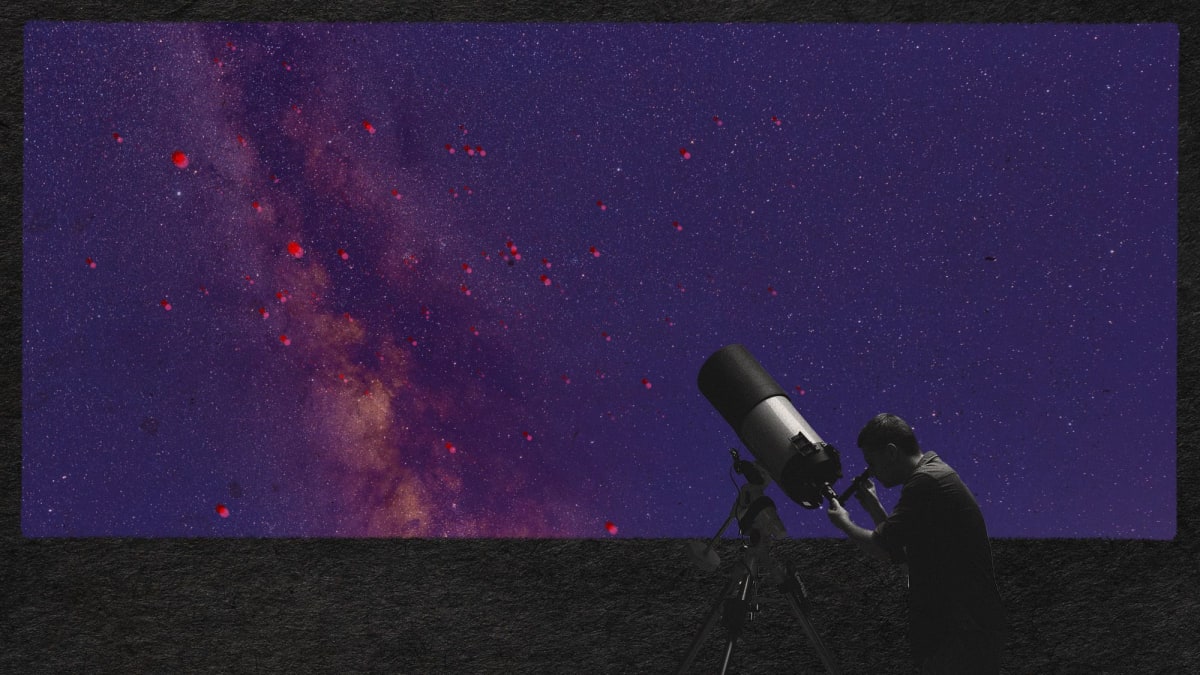
You don't need a PhD to help protect Earth from space rocks anymore. Thousands of backyard astronomers are now contributing real data to NASA missions using smart telescopes that fit in a closet.
Unistellar's citizen science program partners everyday stargazers with the SETI Institute to track near-Earth asteroids, spot comets, and monitor satellites. Anyone who owns one of their smart telescopes can point it at the sky and collect data that helps professional astronomers.
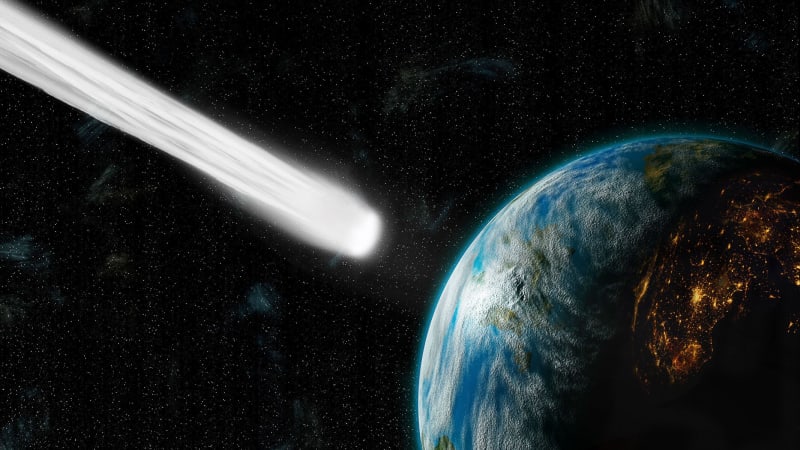
The impact goes beyond hobby science. When NASA crashed a spacecraft into an asteroid during the Double Asteroid Redirection Test (DART) mission, a citizen scientist in South Africa captured the crucial moment. Their observation helped confirm the asteroid's deflection and was published in scientific papers.
Dr. Franck Marchis, Chief Scientific Officer at Unistellar, recalls the team's "disbelief at observing it" in real time. Big observatories are expensive, overbooked, and limited by location, but a global network of citizen scientists can be everywhere at once.
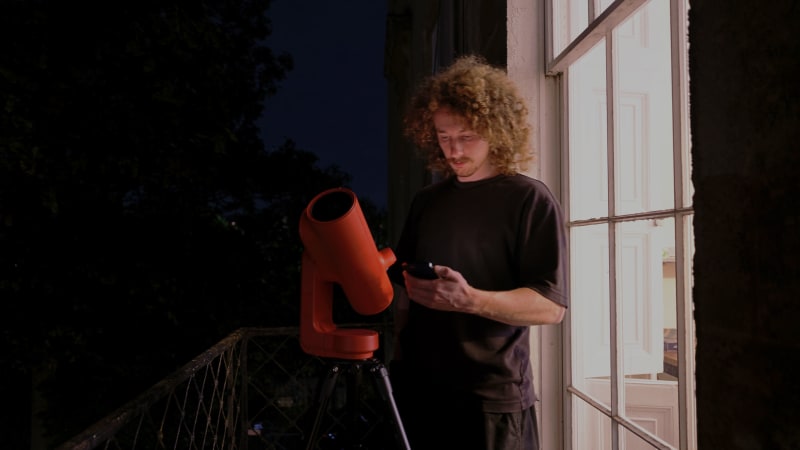
The process is surprisingly simple. After buying a Unistellar telescope and downloading the app, users can browse upcoming celestial events visible from their exact location. The telescope automatically points to the right coordinates, captures the data, and users submit it through the app. Priority missions flag urgent observations that need immediate attention.
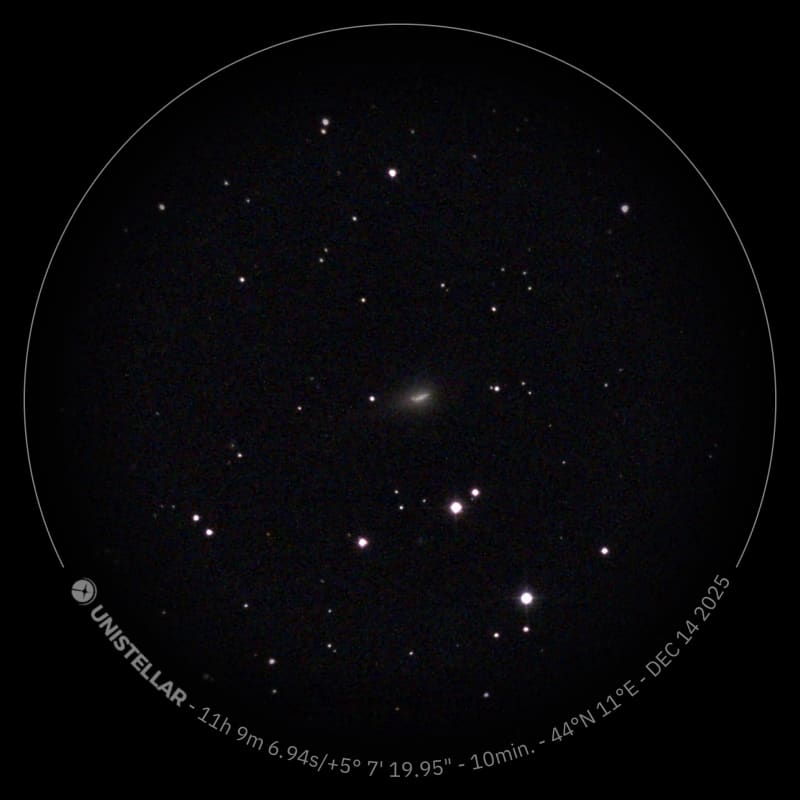
Recently, a citizen astronomer helped measure comet 3I/Atlas at 17.8 magnitude brightness. That's incredibly faint, yet the observation provided valuable data for scientists studying interstellar objects. Contributors who provide useful data get acknowledged in scientific papers, and some even earn authorship credit.
The Ripple Effect: This isn't just about collecting more data. It's democratizing space science in ways that seemed impossible a decade ago. Professional astronomers gain access to observations they couldn't afford otherwise, while regular people experience the thrill of contributing to genuine discoveries.
Urban stargazers can participate too. While darker skies help, even city dwellers can make meaningful contributions depending on local conditions and what they're observing. The network has expanded to include tracking exoplanet transits and studying comet morphology.
Dr. Marchis drew inspiration from SETI@home, the famous distributed computing project that let people donate computer power to search for alien signals. He recognized that telescopes could work the same way, providing real-time observations from every corner of the globe.
The future of planetary defense may depend partly on people looking up from their backyards. As more potentially hazardous asteroids are discovered, having thousands of eyes on the sky gives humanity a better chance of spotting threats early. Every observation adds another piece to the puzzle of keeping Earth safe.
What started as a way to make stargazing easier has become a genuine scientific community where anyone can help unlock the universe's secrets.
More Images
Based on reporting by Space.com
This story was written by BrightWire based on verified news reports.
Spread the positivity!
Share this good news with someone who needs it