Bacteria Delivers Cancer-Killing Toxin to Colon Tumors
Scientists turned a food-borne bacterium into a microscopic delivery truck that carries cancer-killing toxins directly into colon tumor cells. The breakthrough could one day become an oral medication for the second deadliest cancer in America.
Scientists at Baylor University just figured out how to hijack a common food-borne bacterium and turn it into a cancer-fighting courier.
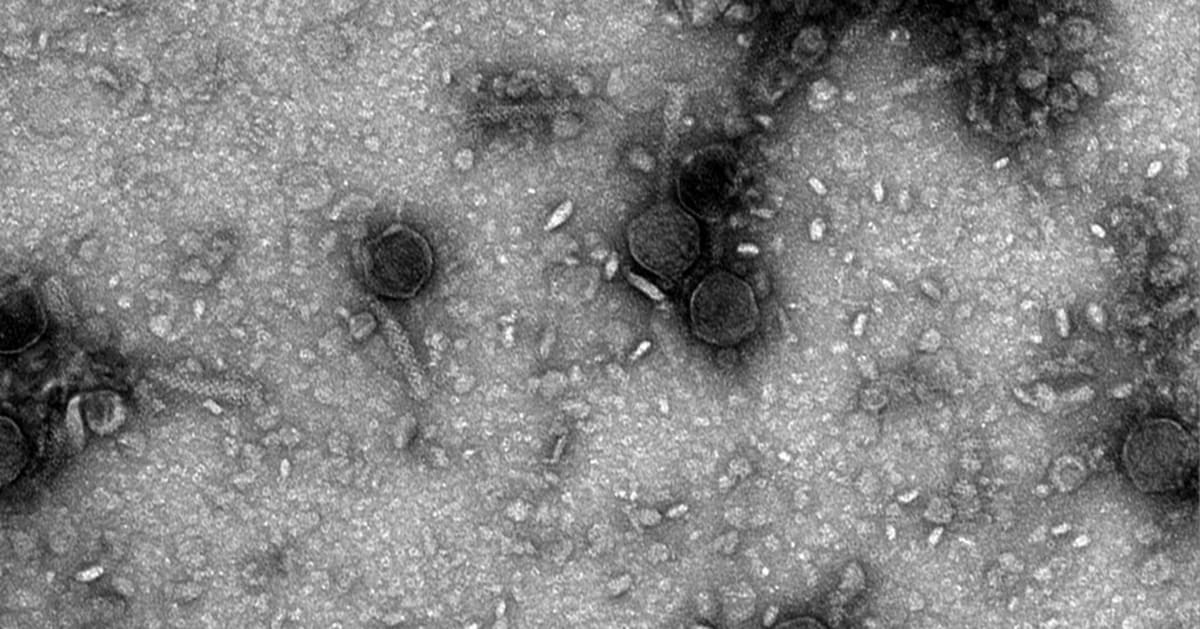
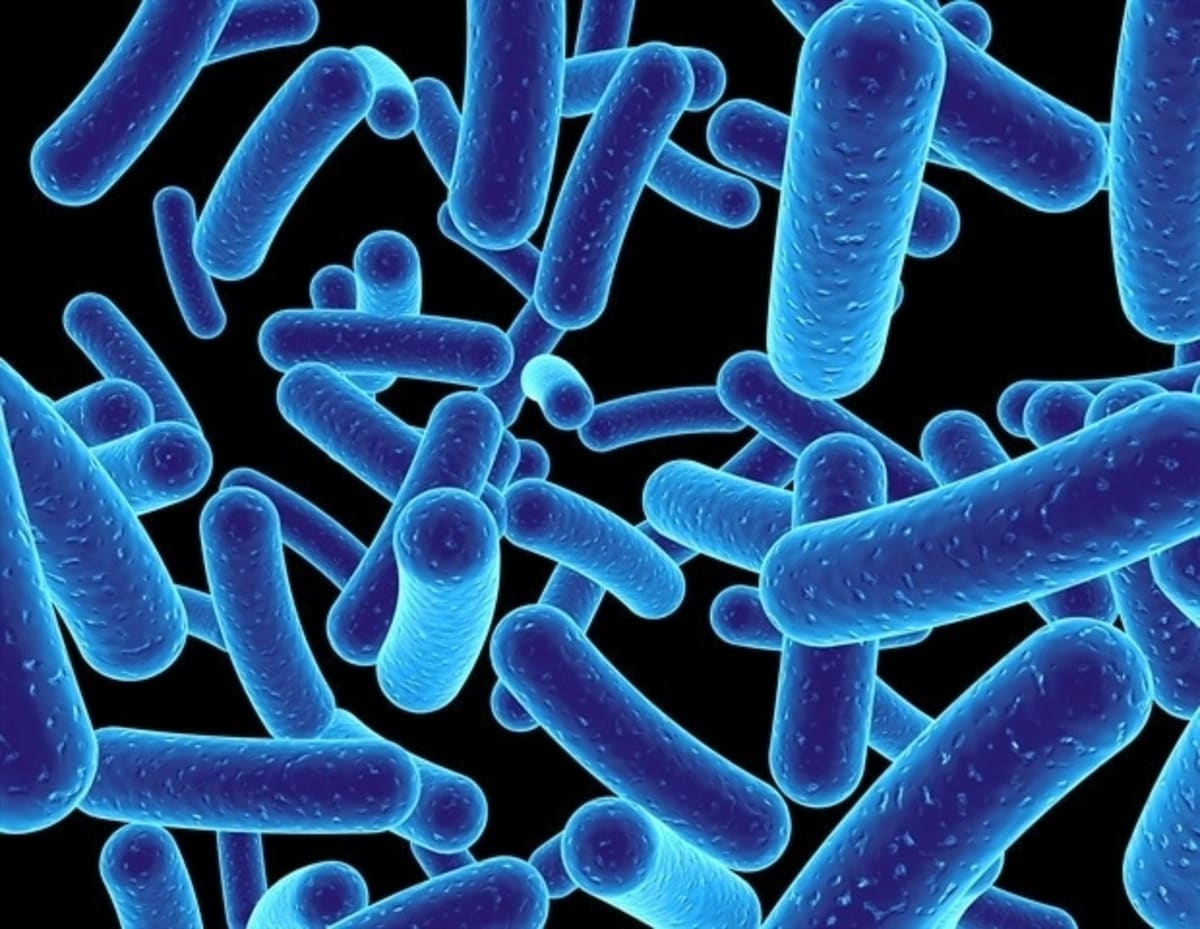
The research team modified Listeria monocytogenes to carry saporin, a powerful toxin that destroys cancer cells, directly into colorectal tumors. Think of it as strapping a tiny weapon to a delivery truck that already knows exactly where to go.
"We asked the question, 'What if we could hook saporin on the surface of a bug and let the bug get delivered into the cell as it normally would?'" said Dr. Michael VanNieuwenhze, who chairs Baylor's biology department. The answer turned out to be a resounding yes.
Listeria might sound scary as a food-borne pathogen, but researchers can genetically modify it to be safer for humans while keeping its superpower: the ability to slip inside human cells. That's exactly what cancer treatments need, since saporin only works once it gets inside a cell.
The team tested their approach in mice with colorectal cancer and saw a significant increase in tumor-killing power. Using fluorescent imaging, doctoral student Jianan Lyu confirmed the saporin stayed attached to the bacteria and reached the right cells.
This matters because colorectal cancer caused the second-most cancer deaths in 2025, according to the National Cancer Institute. Current treatments are often invasive, difficult, and don't always work.
The Bright Side
The modified bacteria brings multiple advantages to the fight. As a living organism, Listeria naturally targets tumors and triggers an immune response against cancer. Adding saporin to its surface multiplies that cancer-fighting punch.
Even better, this treatment could eventually become as simple as swallowing a pill. "If a therapeutic were developed from this, you could deliver it orally, in principle," VanNieuwenhze said.
The research team is already looking ahead to making the process safer and more scalable through genetic modifications. They're building on decades of work, since scientists first reported using Listeria as cancer therapy back in 1994.
Doctoral student Wyatt Paulishak emphasized what makes Listeria special: "As a living bug, we can modify it to make it safer and more effective. It has a significant immunotherapy component and is naturally anti-cancer."
The future looks bright for turning bugs into drugs that could save thousands of lives.
More Images


Based on reporting by Google News - New Treatment
This story was written by BrightWire based on verified news reports.
Spread the positivity!
Share this good news with someone who needs it