Bacteria Engineered to Eat Cancer Tumors From Inside
Scientists at the University of Waterloo are teaching bacteria to hunt down and devour cancer tumors in places chemotherapy struggles to reach. The specially modified microbes thrive in oxygen-free tumor cores, offering hope for a completely new approach to fighting cancer.
Imagine sending tiny soldiers into battle against cancer, ones that naturally seek out tumors and eat them from the inside out. That's exactly what researchers at the University of Waterloo are working on, and the early results show real promise.
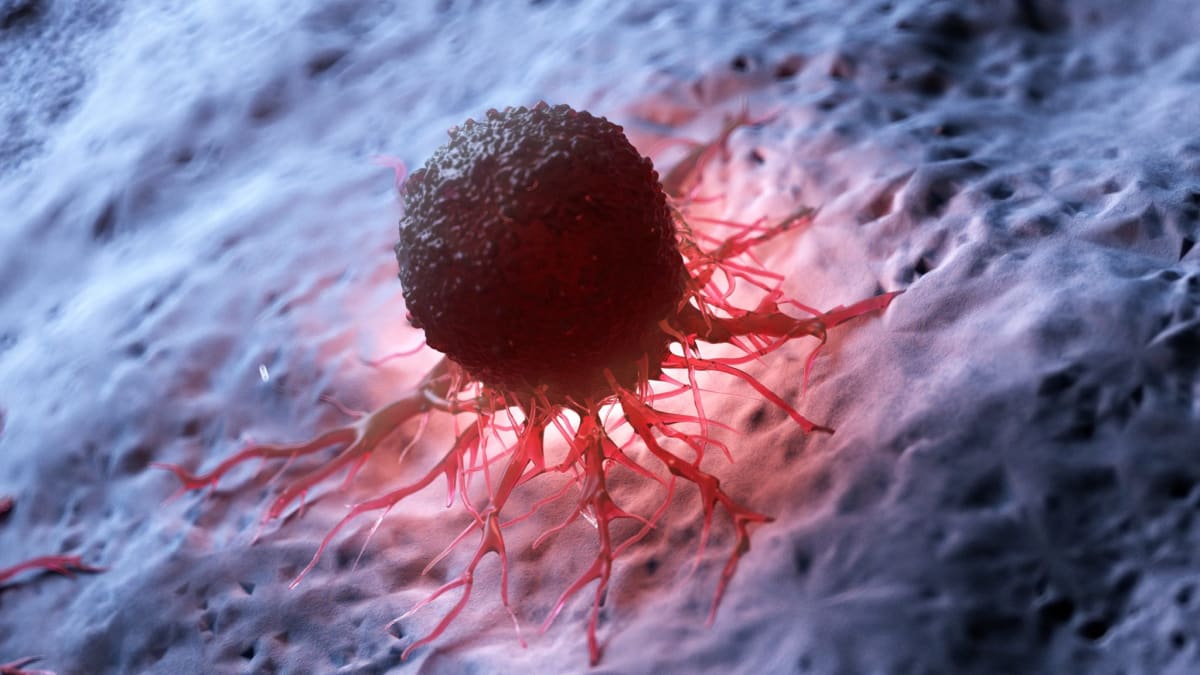
The team is engineering a soil bacterium called Clostridium sporogenes to infiltrate solid tumors and consume them. The clever part? This bacterium only grows in places with zero oxygen, which happens to perfectly describe the dead, nutrient-rich core of many cancerous tumors.
"Bacteria spores enter the tumor, finding an environment where there are lots of nutrients and no oxygen, which this organism prefers, and so it starts eating those nutrients and growing in size," said Dr. Marc Aucoin, a chemical engineering professor at Waterloo. The bacteria essentially colonize the tumor's center and start breaking it down.
But there's a catch. When the bacteria move toward the tumor's outer edges where oxygen exists, they die before finishing the job. The Waterloo team solved this problem with some brilliant genetic engineering.
They added a gene from a related bacterium that tolerates oxygen better. To prevent the bacteria from surviving in places they shouldn't, like the bloodstream, researchers built in a safety mechanism using something called quorum sensing.
Think of it as a headcount system. The oxygen-resistant gene stays switched off until enough bacteria have gathered inside the tumor. Only then, when the microbes have proven they're in the right location, does the gene activate and give them their oxygen upgrade.
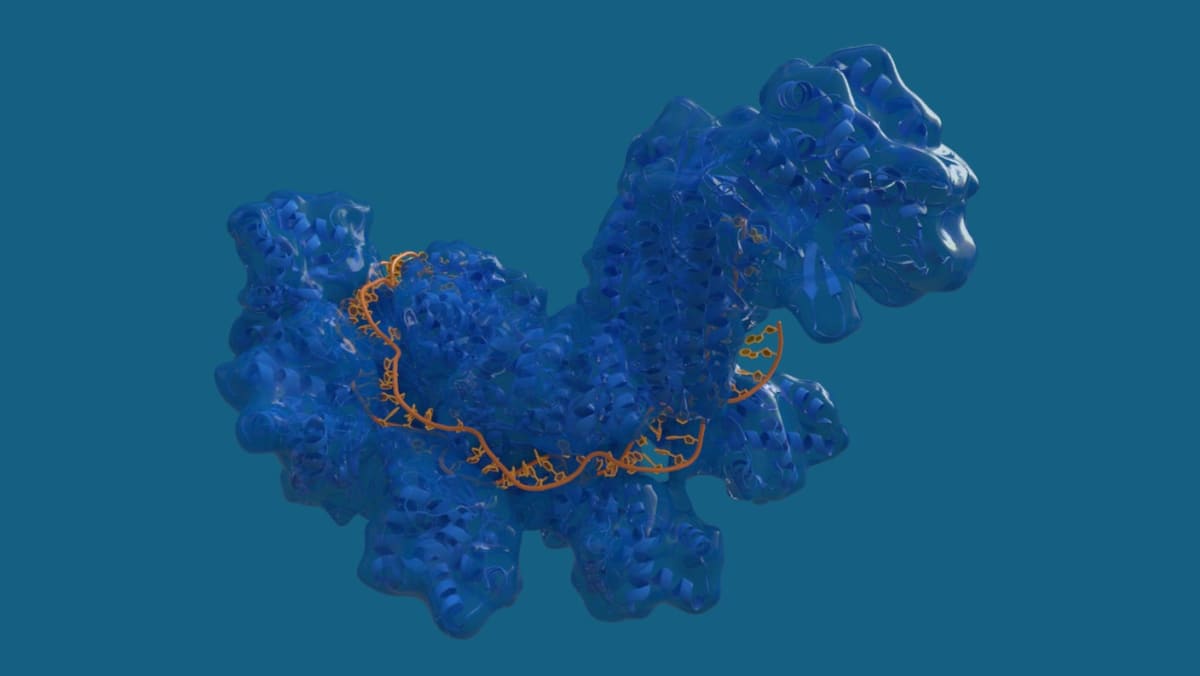
Dr. Brian Ingalls, a professor of applied mathematics at Waterloo, describes it like building an electrical circuit with DNA instead of wires. "Each piece has its job. When assembled correctly, they form a system that works in a predictable way."
The team has already demonstrated that both pieces work separately. In one study, they showed the bacteria could be modified to tolerate oxygen. In another, they proved their genetic switch could reliably turn on at the right time, using bacteria that glowed green when the signal was strong enough.
The Bright Side
This approach turns one of cancer's best defenses into its greatest weakness. Traditional treatments like chemotherapy struggle to penetrate the oxygen-starved centers of solid tumors. But that's exactly where these bacteria thrive best.
The predictability of the system matters enormously for medical use. A therapy that behaves consistently and safely is far more likely to make it through clinical trials and eventually help patients.
The next step involves combining both genetic modifications into one bacterium and testing it against actual tumors in preclinical trials. The research team, led by Ph.D. student Bahram Zargar and including former doctoral student Dr. Sara Sadr, has partnered with CREM Co Labs to move the work forward.
These bacteria won't replace existing cancer treatments tomorrow, but they offer something genuinely new: a living therapy that goes exactly where it's needed and nowhere else.
Based on reporting by Optimist Daily
This story was written by BrightWire based on verified news reports.
Spread the positivity!
Share this good news with someone who needs it