Bacteria Turn Methane Pollution Into Plastic and Protein
Scientists are using methane-eating microbes to transform one of the worst climate pollutants into useful products like biodegradable plastic and animal feed. These tiny bacteria already exist in nature and could help slow global warming while creating sustainable materials.
Imagine tiny bacteria solving climate change while making useful products at the same time. That's exactly what researchers at Shandong University discovered when studying microbes that naturally eat methane, a greenhouse gas 28 times more powerful than carbon dioxide.
These methane-eating bacteria, called methanotrophs, already live in landfills, farms, and wastewater plants. They consume methane before it escapes into the atmosphere, stopping pollution at its source.
Scientists are now supercharging this natural process to do even more. The microbes don't just eliminate methane. They transform it into biodegradable plastic, animal feed protein, and methanol fuel.
The bacteria work by breaking down methane step by step inside their cells. First they convert methane into methanol, then formaldehyde, and finally carbon dioxide. This process releases energy that helps the microbes grow and create valuable products.
Different types of these bacteria excel at different jobs. Type I microbes grow fast and produce protein-rich feed for livestock. Type II microbes store carbon efficiently and make biodegradable plastics that can replace traditional petroleum-based materials.
Engineers are already putting these microbes to work in real-world settings. Landfills use soil covers filled with the bacteria to capture methane before it reaches the air. Coal mines spray fine mists containing the microbes to reduce explosion risks while cutting emissions.
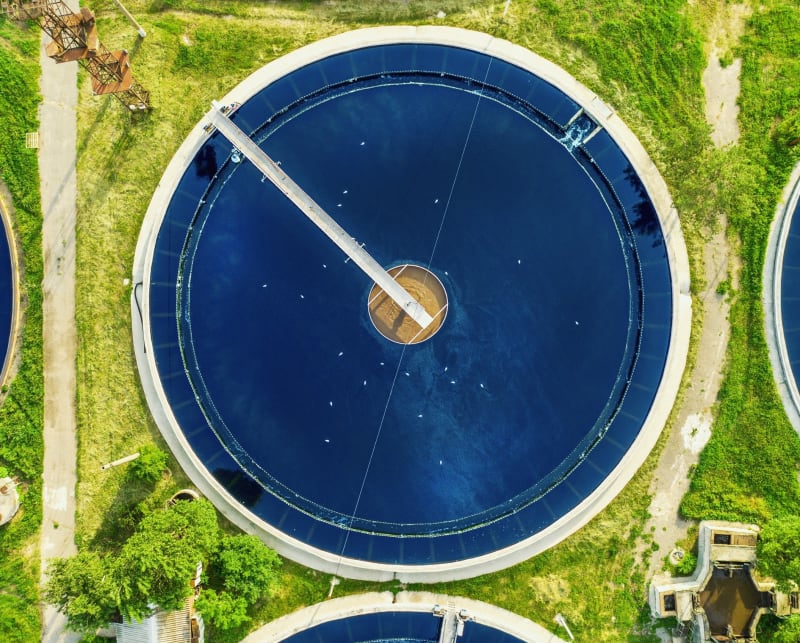
Wastewater treatment plants benefit too, as the bacteria remove both methane and nitrogen pollution at once. This dual action improves both air quality and water safety.
The Ripple Effect spreads beyond just climate benefits. Some methanotrophs can produce plastics that make up more than half their cell mass under the right conditions. These biodegradable plastics have properties similar to regular plastics but break down naturally in the environment.
The protein these bacteria create offers another breakthrough. Single-cell protein from methanotrophs contains essential amino acids that make excellent animal feed. This gives farmers a sustainable alternative that actually reduces pollution instead of creating it.
Researchers are even finding strains that solve multiple problems simultaneously. Certain bacteria not only eat methane but also convert nitrous oxide, another powerful greenhouse gas, into harmless nitrogen.
"By integrating strain engineering, smart bioreactor design, and rigorous life cycle assessment, we can turn methane from a liability into a cornerstone of sustainable bio-manufacturing," said study senior author Qigui Niu.
New tools like Raman-based sorting help scientists identify the best-performing bacterial strains faster than ever. Synthetic biology techniques allow researchers to reshape the bacteria's internal pathways, making them even more efficient at creating specific products.
The technology works because mixed microbial communities cooperate naturally. Partner microbes consume intermediate compounds that might otherwise become toxic, keeping the system stable for long periods without human intervention.
These microscopic climate heroes prove that nature already has solutions waiting to be harnessed.
Based on reporting by Google News - Climate Solution
This story was written by BrightWire based on verified news reports.
Spread the positivity!
Share this good news with someone who needs it