Badminton Goes Synthetic as Feather Shortage Hits Sport
A global feather shortage is pushing badminton toward a surprising solution: synthetic shuttlecocks. The shift could make the beloved sport more sustainable while solving supply chain headaches.
Badminton is getting a high-tech makeover, and it all started with a duck problem.
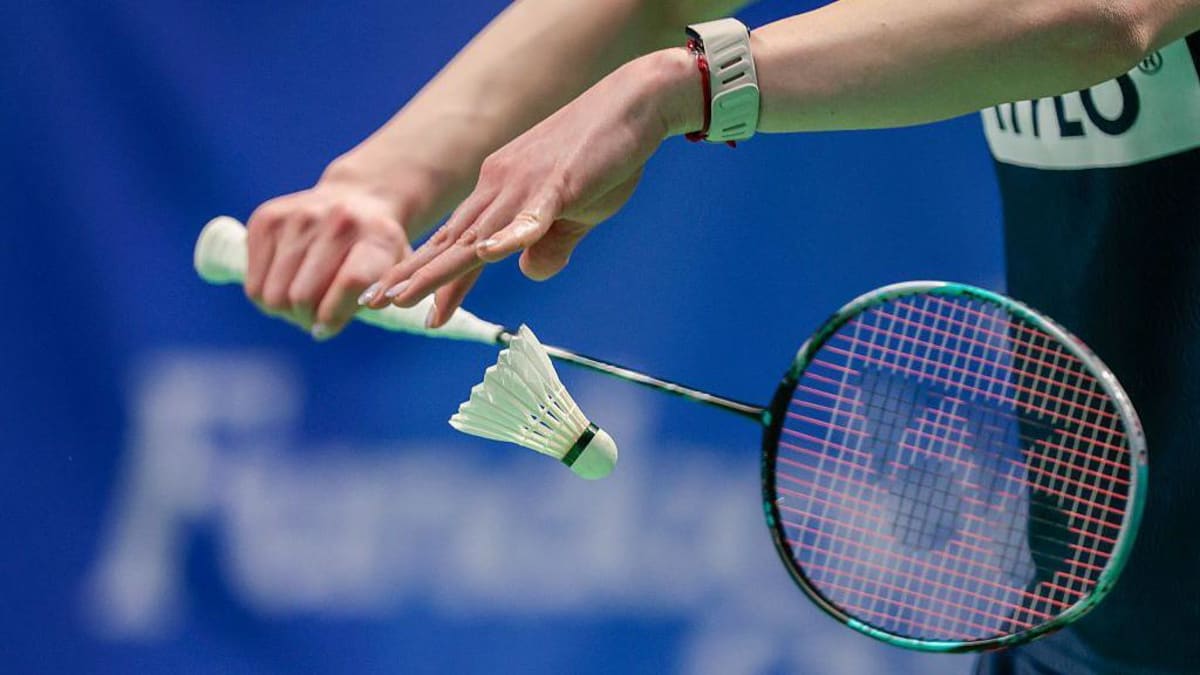
The Badminton World Federation just approved synthetic shuttlecocks for select international tournaments, marking a major shift for a sport that has relied on bird feathers for centuries. The move comes as prices for traditional shuttlecocks have soared due to a perfect storm of challenges.
Here's what happened. China produces most of the world's shuttlecocks, but duck and goose production dropped 10% between 2019 and 2024. Bird flu outbreaks hurt poultry farms, while many Chinese consumers returned to eating pork after an African swine fever outbreak ended in 2018.
At the same time, badminton's popularity exploded in China, creating more demand just as supply was shrinking. The result? A feather shortage that's been felt by players from recreational clubs to elite tournaments.
Traditional shuttlecocks require 16 feathers, all taken from the same wing of the same bird to ensure proper flight and spin. That precision makes them expensive to produce even in good times.
The Bright Side
This challenge is pushing innovation that could benefit everyone who plays. Synthetic shuttlecocks offer consistent performance without depending on vulnerable supply chains. They also align with the sport's sustainability goals, reducing reliance on animal products.
The BWF will test the new shuttlecocks in grade three and junior international tournaments, gathering data from players, officials, and organizers. Secretary General Thomas Lund emphasized that exploring alternatives has been part of the federation's sustainability strategy all along.
The trials aren't just about solving today's shortage. They're about building a more resilient future for badminton, ensuring that players at all levels can access quality equipment regardless of what's happening in global poultry markets.
The shift also opens doors for recreational players who might find synthetic options more affordable and durable for casual games. While elite competitions may stick with feathers for now, the testing phase could reveal that synthetics perform just as well.
Change isn't always easy in traditional sports, but this innovation shows how challenges can drive positive progress that makes activities more accessible and sustainable for everyone.
More Images
Based on reporting by BBC Sport
This story was written by BrightWire based on verified news reports.
Spread the positivity!
Share this good news with someone who needs it