Badminton Goes Synthetic as Sport Solves Feather Shortage
Badminton is getting a green upgrade as the sport tackles a global feather shortage with innovative synthetic shuttlecocks. The move solves supply issues while opening doors to a more sustainable future for the beloved game.
When the world's fastest racket sport faces a supply crisis, innovation takes flight.
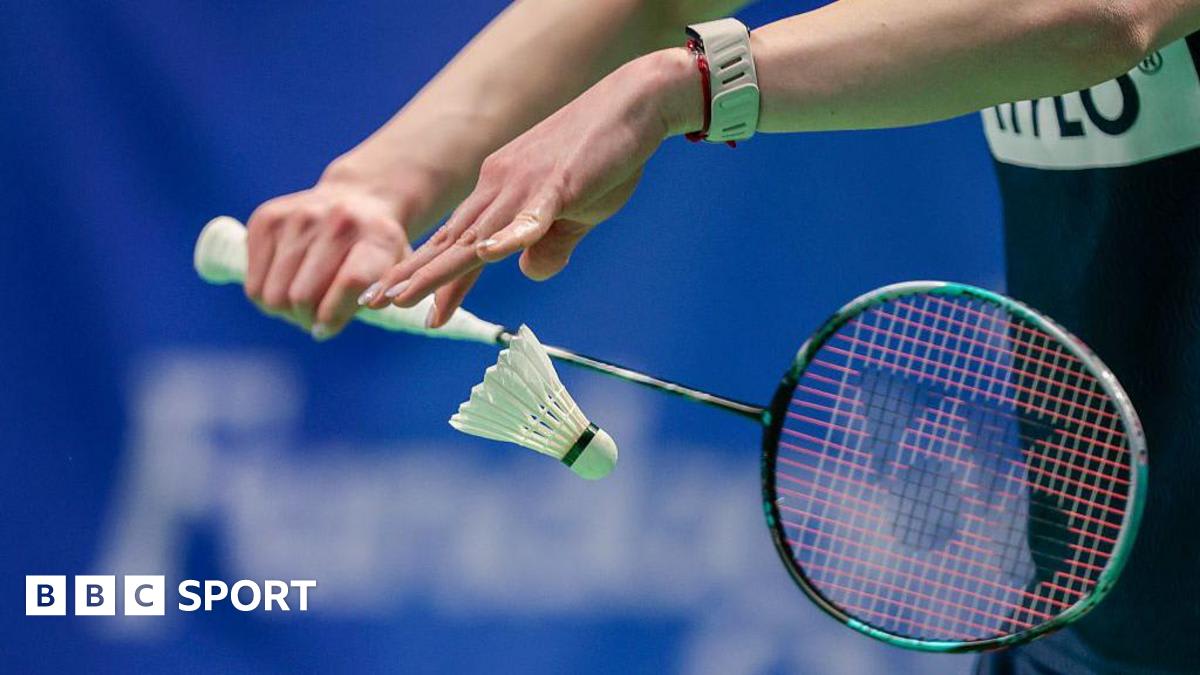
Badminton's governing body just approved synthetic shuttlecocks for international tournaments, marking a major shift for a sport traditionally dependent on duck and goose feathers. The Badminton World Federation (BWF) will test the new alternatives in grade three and junior competitions starting this year.
The feather shortage stems from several converging factors in China, where most shuttlecocks are made. Bird flu outbreaks reduced poultry populations by 10% since 2019, while Chinese diners returned to pork after African swine fever concerns eased in 2018, further decreasing duck and goose farming.
Meanwhile, badminton's popularity has soared in China and worldwide, creating a perfect storm of rising demand and shrinking supply. Traditional shuttlecocks require 16 feathers from the same wing of the same bird to achieve proper flight and spin, making them increasingly expensive and scarce.
The BWF isn't just solving a supply problem. Secretary General Thomas Lund emphasized that synthetic shuttlecocks are "firmly part of our sustainability strategies for the future," signaling a broader environmental commitment.
The Bright Side
This challenge is pushing badminton toward a more sustainable model that could benefit the sport for generations. Synthetic shuttlecocks promise consistent performance without depending on animal products or vulnerable supply chains.
The trial phase will collect performance data from manufacturers while gathering feedback from players, officials, and tournament organizers. This careful approach ensures the sport maintains its integrity while adapting to modern realities.
For recreational players already familiar with synthetic options, this move validates what many have experienced: technology can match tradition. Junior players entering international competition will help test whether synthetics can eventually reach the elite level.
The shift also removes pressure on poultry farmers and wildlife populations affected by disease outbreaks. By reducing dependence on feathers, badminton joins other sports finding creative solutions to environmental challenges.
Sometimes the best solutions come from necessity, and badminton is proving that innovation and tradition can fly together.
More Images
Based on reporting by BBC Sport
This story was written by BrightWire based on verified news reports.
Spread the positivity!
Share this good news with someone who needs it