Badminton Goes Synthetic to Solve Feather Shortage
The world's badminton governing body is testing synthetic shuttlecocks after feather prices soared due to bird flu and the sport's growing popularity. The innovation could make the beloved game more affordable and sustainable for millions of players worldwide.
When the sport you love gets too popular, you find creative solutions to keep it alive.
The Badminton World Federation just approved synthetic shuttlecocks for junior and lower-level international tournaments, marking a historic shift for a game traditionally played with duck and goose feathers. The move comes as feather shortages have sent shuttlecock prices soaring globally.
The shortage stems from an unusual mix of factors in China, where most of the world's shuttlecocks are made. Bird flu outbreaks have reduced duck and goose populations by 10% since 2019. Meanwhile, Chinese families returned to eating pork after African swine fever concerns eased in 2018, reducing demand for poultry farming.
Add badminton's explosive popularity in China to the equation, and you get a supply crisis. More players need more shuttlecocks, but fewer birds mean fewer feathers to go around.
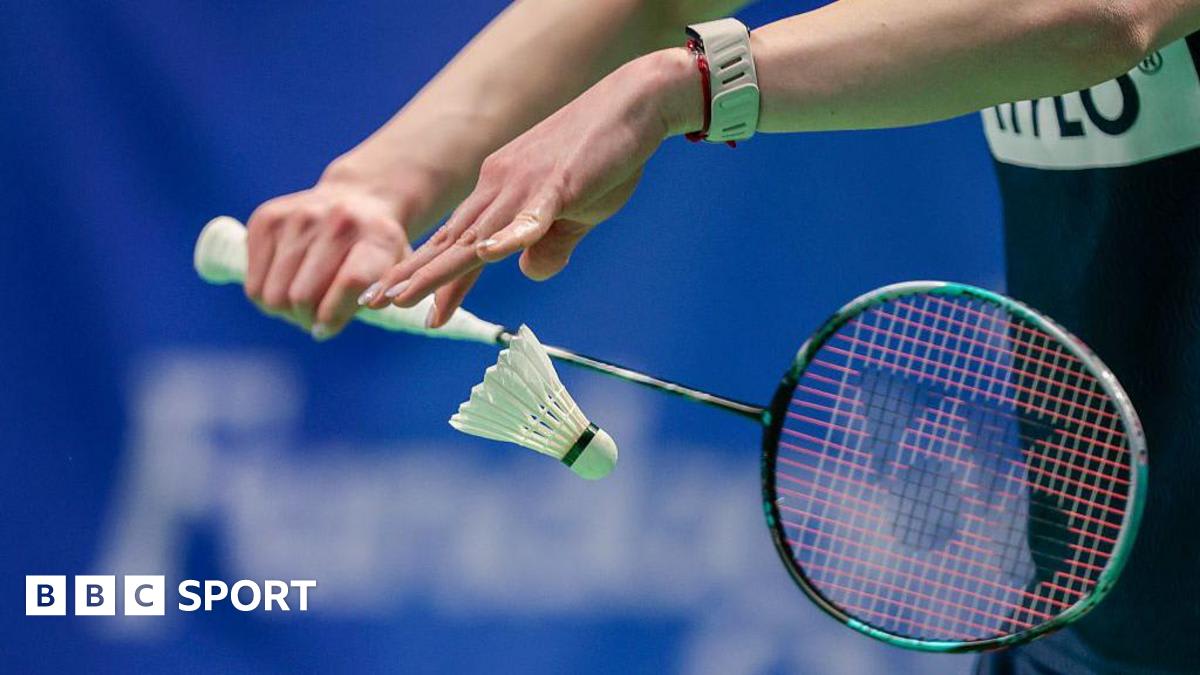
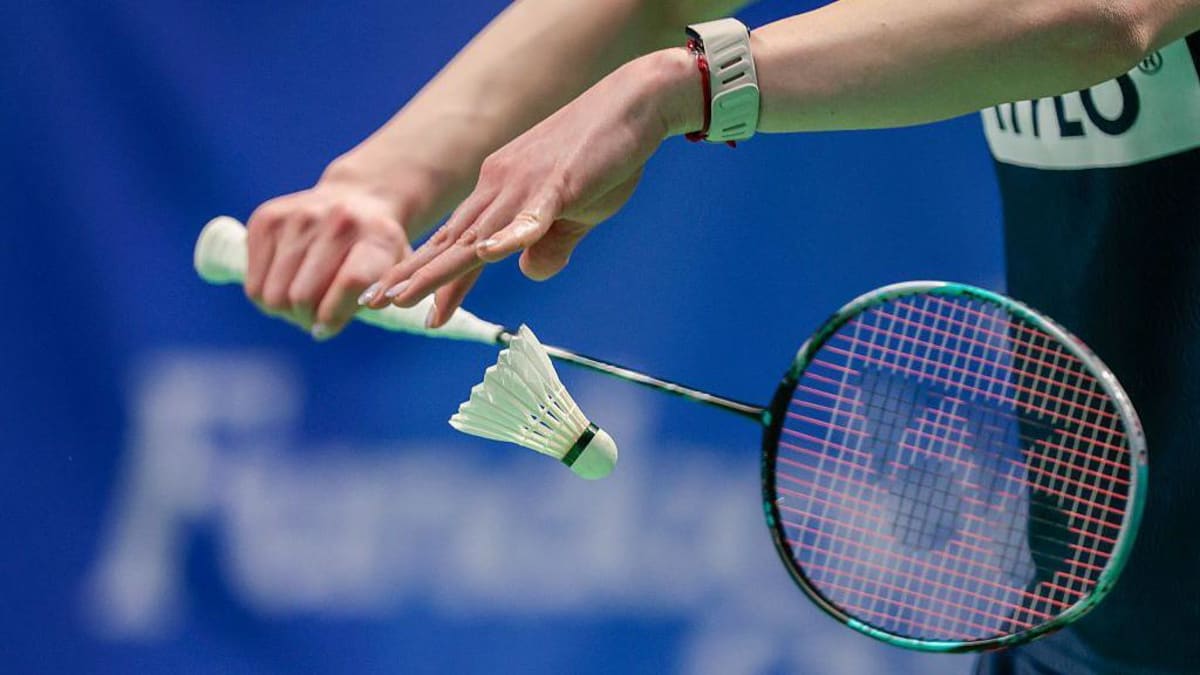
Traditional shuttlecocks require 16 feathers from the same wing of the same bird. This precision matters because feathers from different wings curve differently, affecting how the shuttlecock flies and spins. It's craftsmanship that's been perfected over generations.
The Bright Side
This challenge is pushing badminton toward a more sustainable future. Synthetic shuttlecocks don't just solve the supply problem. They could make the sport more affordable for schools, community centers, and recreational players who've been priced out by rising costs.
The BWF plans to collect performance data from manufacturers and gather feedback from players, officials, and tournament organizers during the trial period. If successful, synthetic options could eventually reach elite competitions while preserving the traditional game's integrity.
Secretary General Thomas Lund emphasized that developing synthetic shuttlecocks has been part of the federation's sustainability strategy all along. The feather shortage simply accelerated plans that align with the sport's environmental goals.
Badminton joins other sports adapting to resource challenges without losing what makes them special, proving innovation and tradition can work together when necessity calls.
More Images
Based on reporting by BBC Sport
This story was written by BrightWire based on verified news reports.
Spread the positivity!
Share this good news with someone who needs it