Baghdad Book Street Trusts Readers Not to Steal
In Baghdad's historic Al-Mutanabbi Street, booksellers leave their books unguarded overnight, following an old saying: "The reader does not steal, and the thief does not read." This century-old tradition survived even a devastating car bombing in 2007.
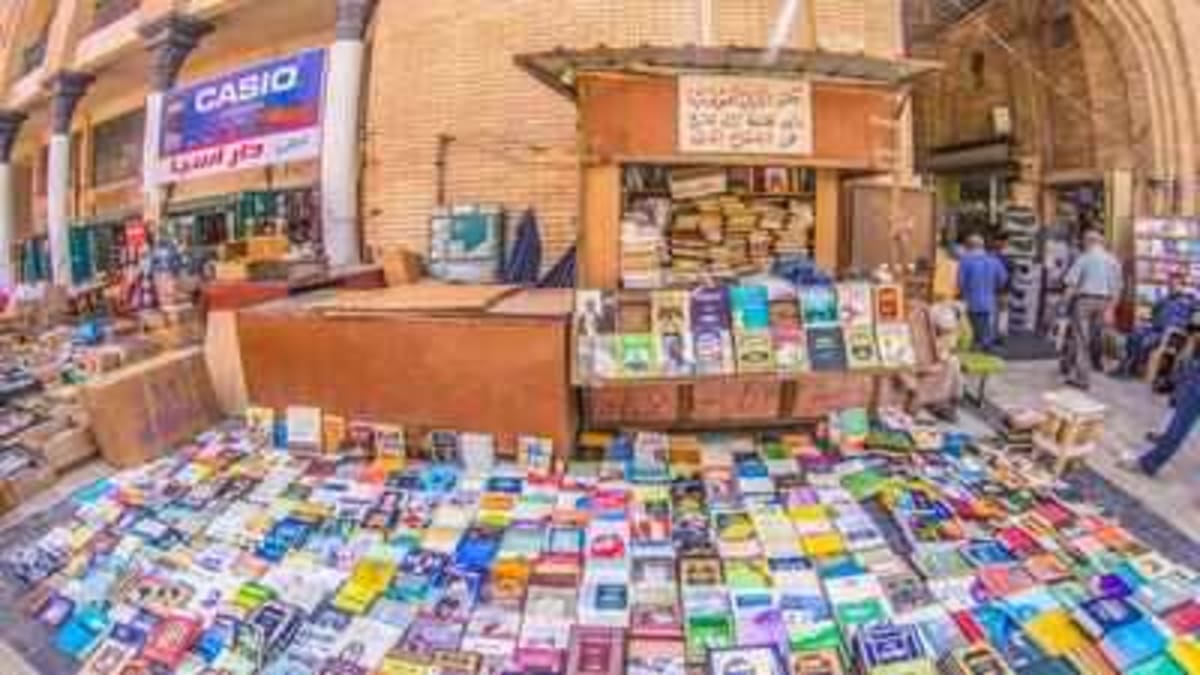
Picture hundreds of books spread across tables and shelves on a Baghdad street after sunset, with no locks, no guards, and no security cameras. This isn't carelessness. It's trust.
Al-Mutanabbi Street in central Baghdad has been Iraq's beating heart of literary culture for generations. Named after Abu al-Tayyib al-Mutanabbi, one of classical Arabic poetry's greatest voices, the street embodies a simple belief that has endured through decades of turmoil.
The tradition rests on a saying passed down through generations: "The reader does not steal, and the thief does not read." The logic is beautifully straightforward. Someone who genuinely loves books and knowledge wouldn't steal them, and someone intent on theft probably wouldn't care about literature.
While some booksellers do take their most valuable stock inside at night, many leave their books displayed outdoors. This act of faith has become central to the street's identity, even earning mentions in UNESCO materials about Iraq's rich literary heritage.
The narrow lanes buzz with life. Bookstores sit alongside outdoor stalls, cafés serve writers and intellectuals, and vendors sell manuscripts and calligraphy. The Al-Shahbandar Café, established in 1917, has welcomed Baghdad's journalists, artists and thinkers for over a century.
The Ripple Effect
This tradition means even more when you know what this street has survived. On March 5, 2007, a car bombing devastated Al-Mutanabbi Street, killing nearly 30 people and damaging countless shops. The attack targeted the very heart of Baghdad's intellectual life.
But the booksellers came back. They rebuilt their businesses and reopened their stalls. The books returned to the tables, and the tradition of leaving them unguarded continued. It was a quiet but powerful statement that violence wouldn't erase their culture or break their trust.
Today, Al-Mutanabbi Street stands as one of the great intellectual centers of the Arab world. Locals and visitors alike wander through its stalls, browse rare manuscripts, and sip tea while discussing literature and ideas.
The street proves that even in places marked by conflict, communities hold onto what matters most: their stories, their heritage, and their faith in human decency.
More Images



Based on reporting by Times of India - Good News
This story was written by BrightWire based on verified news reports.
Spread the positivity!
Share this good news with someone who needs it