Bajju Diaspora Launches Education Fund for Nigerian Kids
A new association of Bajju people living across the UK and Europe has launched an education trust to provide scholarships for underprivileged children in their ancestral communities in Southern Kaduna, Nigeria. The group is channeling their collective expertise and resources into lasting community projects instead of sending small amounts to individual relatives.
After decades of living across the UK and Europe, members of the Bajju ethnic community are finally organizing to create lasting change back home in Nigeria.
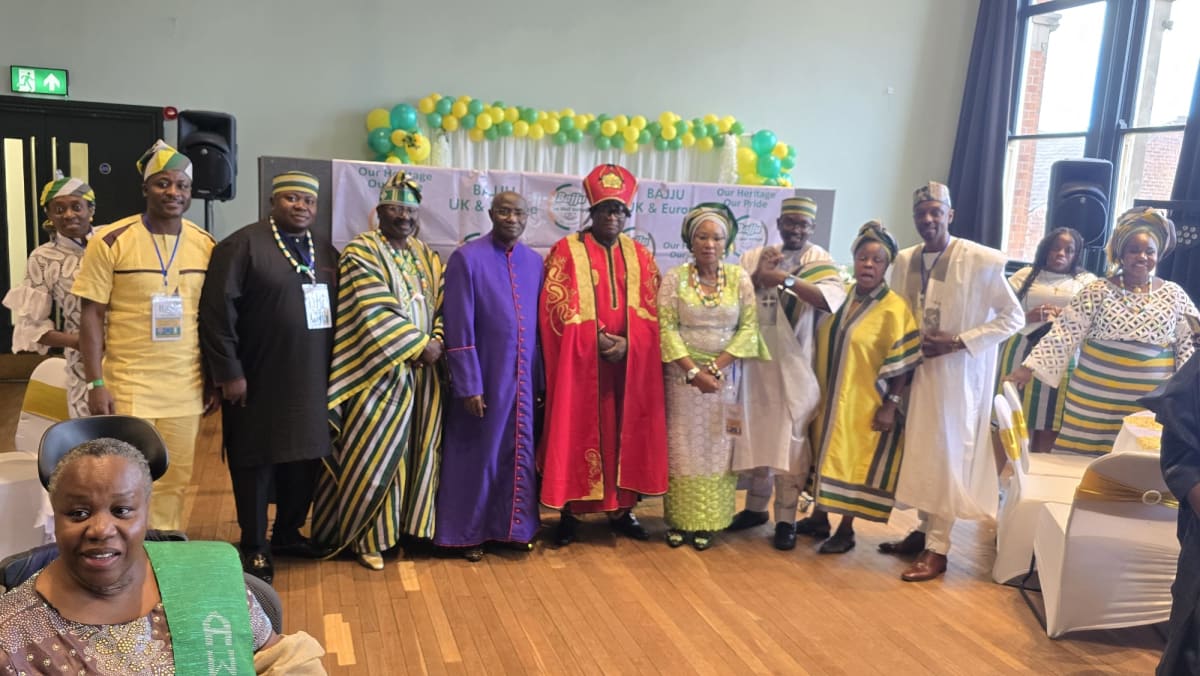
The newly formed Bajju UK and Europe Association officially launched on Saturday in Manchester with an ambitious plan. Their first major project is an educational trust fund that will provide scholarships for less privileged children in Bajju communities in Southern Kaduna.
President Nathaniel James says the scholarship program addresses a critical need. Many association members have lived in the UK for over 40 years and want to do more than send occasional money to relatives.
"We can't sit down and fold hands and be sending them £10, £20 now and then," explained Jummai Hamza, who chaired the launch planning committee. "We need to do something more concrete."
The association grew from a Manchester community group that existed for about two decades. Two years ago, members created a WhatsApp group that expanded into a wider network connecting Bajju people across the UK and Europe.
Hamza says members recognized they had skills and resources that could make a real difference. The group includes professionals from different fields who can contribute meaningful expertise to development projects.
The Ripple Effect
The association's vision extends far beyond education. Members plan to improve school standards, increase the availability of science teachers, and support infrastructure development in Bajju communities.
They're also committed to cultural preservation. Treasurer Mercy Maaji says younger Bajju people in Europe are losing connection to their native language, Jju. "This Gen Z now, they don't want to speak the language, and it's dying," she said.
The association wants future generations to understand their heritage and know where they come from. They're creating programs to teach language and history to children and grandchildren born in Europe.
The group is starting with projects within their capacity before seeking government support. Hamza says waiting for government help hasn't worked, and the world is moving too fast to stand still.
Members say they hear regularly about struggles back home: lack of farming resources, poor roads, inadequate schools, and limited opportunities. The diaspora community wants to tackle these challenges systematically rather than react to individual crises.
The association is even looking at supporting the ongoing construction of a palace for the Bajju traditional ruler in Zonkwa, the headquarters of their ancestral region.
By pooling resources and expertise, these diaspora communities are proving that collective action creates more impact than individual efforts ever could.
More Images


Based on reporting by Premium Times Nigeria
This story was written by BrightWire based on verified news reports.
Spread the positivity!
Share this good news with someone who needs it