Bald Eagles Soar Back From 417 Pairs to Thousands
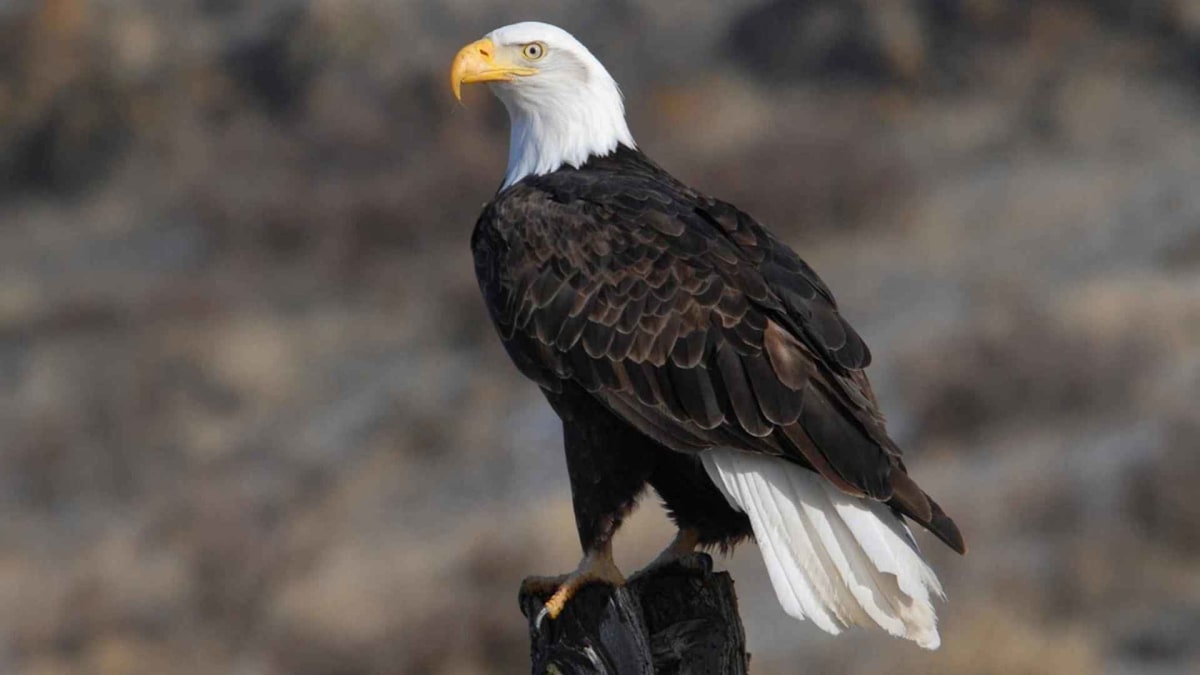
America's national bird nearly vanished in the 1960s with just 417 nesting pairs left. Today, thanks to a pesticide ban and decades of conservation work, thousands of bald eagles fill our skies again.
In the early 1960s, spotting a bald eagle in America was rare. Only 417 nesting pairs remained in the lower 48 states, and scientists feared the national symbol might disappear forever.
The culprit was DDT, a common pesticide that poisoned the eagles' food chain. The chemical made their eggshells so thin they cracked before chicks could hatch. Combined with habitat loss and hunting, the iconic birds were spiraling toward extinction.
Researchers made the connection between DDT and dying eagle populations in the late 1960s. Their findings sparked action that would change everything.
In 1972, the United States banned DDT for agricultural use. New laws strengthened protections for nesting sites and reduced threats to the birds. The changes didn't work overnight, but conservationists stayed patient.
Teams across the country got to work. They relocated young eagles to areas where populations had vanished. They monitored nests and protected habitats from development. Volunteers, scientists, and wildlife agencies collaborated for decades.
Slowly, the eagles responded. More chicks survived to adulthood. Nests appeared in places where eagles hadn't been seen in years. The population climbed steadily upward.
In 2007, the bald eagle was officially removed from the endangered species list. What had once been a species on the brink became one of conservation's greatest success stories.
The Ripple Effect
The eagle's recovery wasn't just about saving one bird. It proved that environmental damage can be reversed when people work together on solutions.
The DDT ban protected countless other species affected by the pesticide. The conservation strategies developed for eagles became blueprints for saving other threatened birds. Communities learned that protecting wildlife habitats benefits everyone who shares those spaces.
Today, thousands of bald eagles soar above rivers, lakes, and forests across America. Seeing one is no longer rare but reliably magical.
The comeback took scientists to identify the problem, policymakers to act on their findings, and communities to protect recovery efforts for generations. It took 35 years from the DDT ban to official recovery, proving that persistence pays off.
Every eagle overhead reminds us that even our most urgent environmental challenges aren't hopeless.
Based on reporting by Google News - Recovery Story
This story was written by BrightWire based on verified news reports.
Spread the positivity!
Share this good news with someone who needs it