Ballerina With ALS Dances Again Using Brain-Powered Avatar
A mother of three living with ALS performed ballet on stage in Amsterdam by controlling a digital avatar with her thoughts. The breakthrough technology could help others with motor neurone disease regain their ability to express themselves through movement.
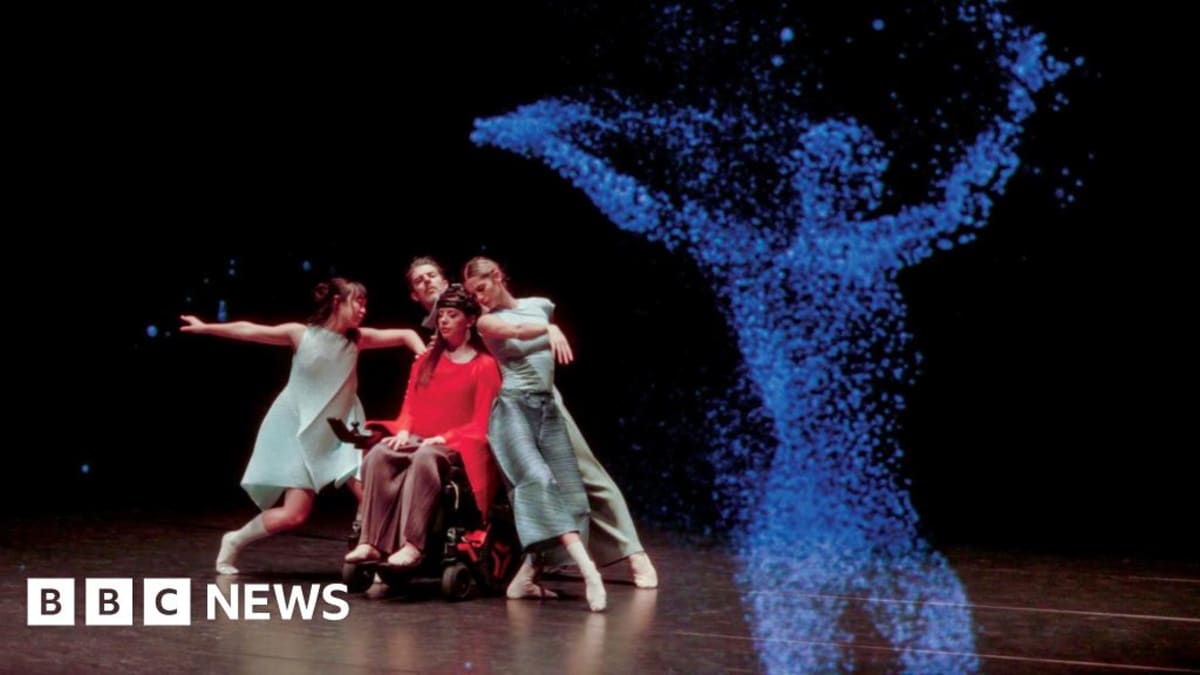
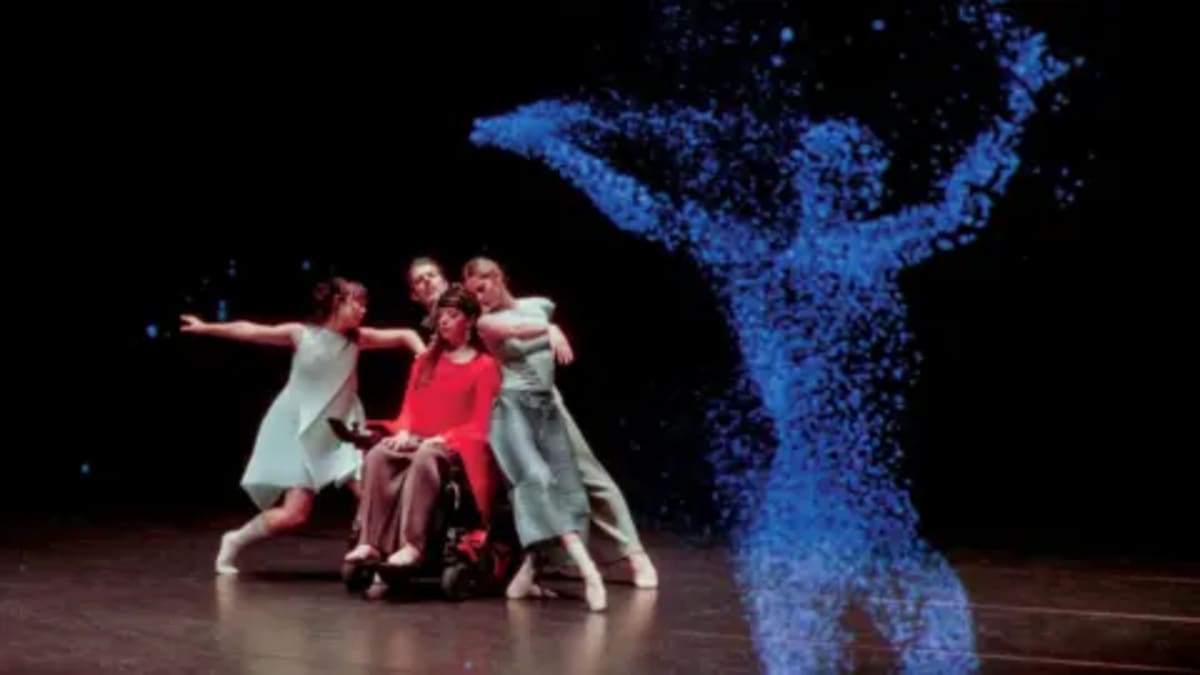
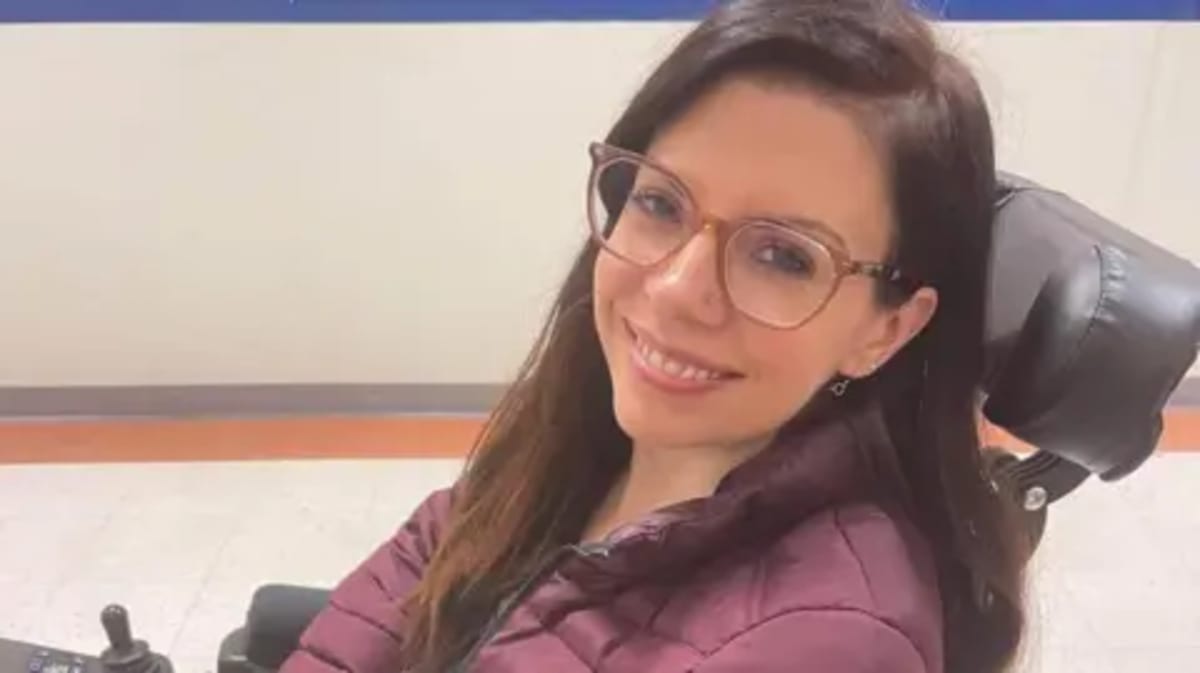
Breanna Olson never thought she'd dance on stage again after being diagnosed with ALS two and a half years ago. Last December, the former ballerina from Tacoma, Washington received a standing ovation at Amsterdam's OBA Theatre after performing through a digital avatar controlled entirely by her brainwaves.
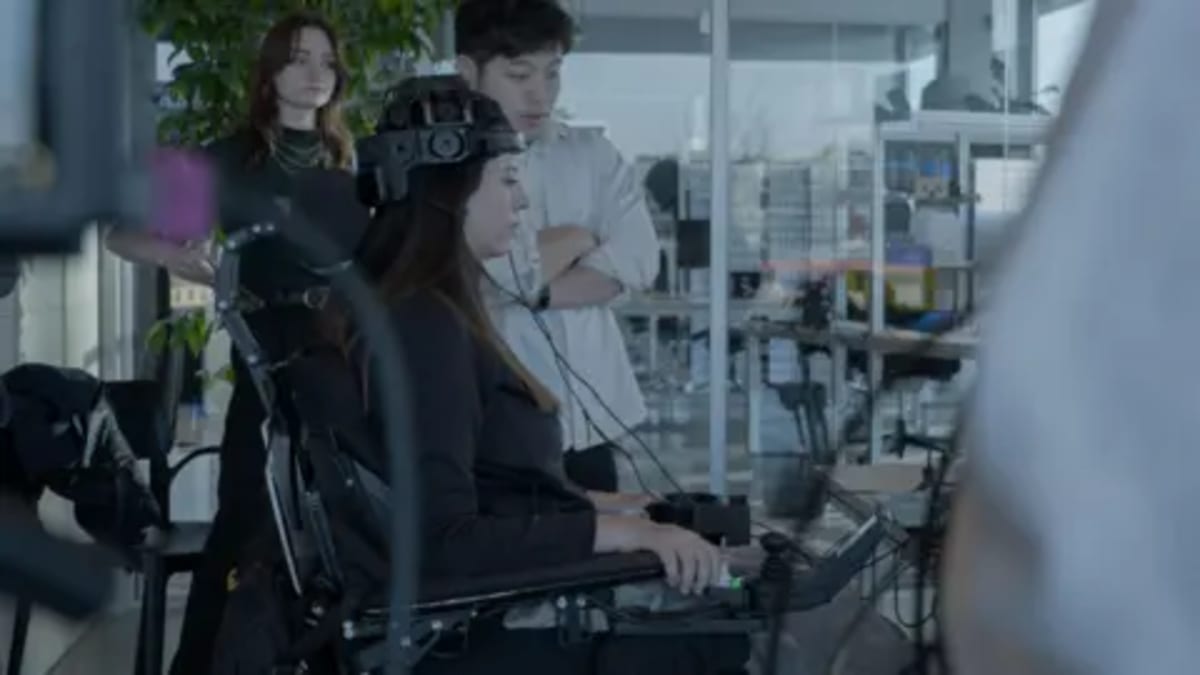
Olson wore an electroencephalogram (EEG) headset that captured her brain activity as she imagined specific dance movements. Developed by Japanese tech firm Dentsu Lab and data company NTT, the technology translated her motor signals into computer instructions in real time, allowing her mixed-reality avatar to dance alongside live performers.
"It was exhilarating and magical to see myself, in virtual form, take to the stage again," Olson told BBC News. "It was just a beautiful and memorable moment I will remember for the rest of my life."
ALS is the most common form of motor neurone disease, affecting nerves in the brain and spinal cord that control muscle movement. The progressive condition, which has no known cure, gradually weakens muscles and impacts speech, swallowing, and breathing.
For Olson, who has trained in ballet, contemporary, and jazz since childhood, losing the ability to dance meant losing a core part of her identity. The technology required intense focus and practice, as she had to "isolate muscles and noise" and "really focus inward" to make the avatar respond.
Why This Inspires
The performance represents more than just technological innovation. It demonstrates how emerging tools can restore dignity and self-expression for people living with degenerative diseases.
Olson's experience mirrors other breakthroughs in brain-computer interfaces. Noland Arbaugh, who received Elon Musk's Neuralink brain chip, has been able to play video games again. Yvonne Johnson, another person with MND, used AI voice tools to reclaim her speaking voice.
The researchers behind Waves of Will chose to pursue accessible technology rather than expensive laboratory equipment. "Most brainwave technologies are very expensive and not accessible to everyone," said Dentsu Lab's Naoki Tanaka. "This is exactly why we started Waves of Will."
Mariko Nakamura of NTT believes the interface could eventually control wheelchairs or other assistive devices. That potential excites Olson, who wants to help others with ALS find new ways to participate in life.
"I want people with disabilities to be viewed less as sick people or that something is wrong with us, but more like we have value and talents and wisdom," she said.
Olson's message to others facing similar challenges is clear: the mind remains powerful even when the body changes, and we're all capable of more than we think.
More Images

Based on reporting by BBC Technology
This story was written by BrightWire based on verified news reports.
Spread the positivity!
Share this good news with someone who needs it