Baltic Ferries Cut CO2 100% With Waste-Powered Fuel
Two German ferries sailed for a year on bioLNG made from agricultural waste, achieving complete CO2 elimination. The breakthrough proves that waste-to-fuel technology works on real ships, not just in labs.
German ferry operator TT-Line just proved that sailing without carbon emissions isn't a distant dream. It's happening right now on the Baltic Sea.
Two massive ferries, the Nils Holgersson and Peter Pan, operated throughout 2025 on bioLNG fuel made entirely from agricultural waste in northern Europe. The result? Every ton of waste fuel replaced 2.8 tons of CO2 emissions, a complete 100% reduction compared to fossil fuels.
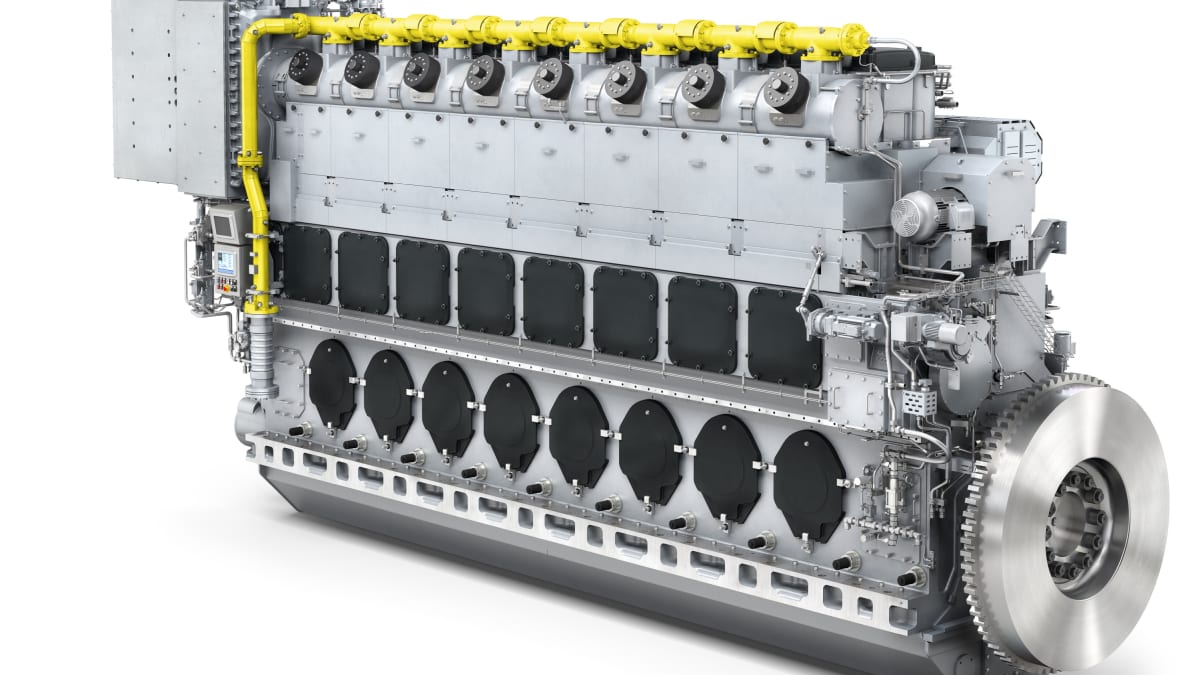
These aren't small vessels. Each ferry stretches 230 meters long and carries passengers and cargo between Germany, Sweden, Poland, and Lithuania. They've been running these routes since 2022 and 2023, powered by four engines each.
The breakthrough came through collaboration between TT-Line and engine maker Everllence. Engineers monitored the Nils Holgersson for nearly a year, measuring everything from emissions to engine wear. They wanted to know if waste fuel would damage the engines or create unexpected pollution.
The answer surprised even the experts. The engines showed no unusual aging, emissions matched laboratory predictions, and nothing changed in how the engines performed.
The Ripple Effect
Here's what makes this story bigger than two ferries. The fuel comes from waste that would otherwise decompose and release methane anyway. Farmers collect agricultural waste, convert it to biogas, and feed it into the regional gas grid. From there, it's extracted, liquefied, and loaded onto bunker vessels that deliver it to the ferries.
Passengers can already choose to power their journey with bioLNG when booking tickets online. That means anyone crossing the Baltic can travel completely carbon-free today, not years from now.
TT-Line's Chief Operating Officer Andreas Schaerli emphasized that this technology lets their entire fleet offer CO2-free journeys. The company is banking emissions certificates through a process called pooling, which documents the exact savings achieved by choosing biofuels over conventional options.
Dr. Michael Filous from Everllence highlighted the simplicity: as long as the waste fuel meets basic specifications like methane number, no engine modifications are needed. The ships just fill up and sail.
The timing matters beyond the Baltic Sea. Shipping accounts for nearly 3% of global carbon emissions, and the industry faces pressure to decarbonize. This project shows that solutions exist today using existing ships and engines.
Other ferry operators and shipping companies are watching closely because TT-Line proved something crucial: you don't need to wait for hydrogen fuel cells or entirely new vessel designs to eliminate emissions.
Clean sailing is here, powered by yesterday's waste.
Based on reporting by Google News - Emissions Reduction
This story was written by BrightWire based on verified news reports.
Spread the positivity!
Share this good news with someone who needs it