Baltic Grid Passes Major Stress Test During Battery Glitch
When a 100 MW battery system accidentally triggered a massive power disruption across Estonia and Finland, the Baltic grid proved it could handle the unexpected. The January incident became an unplanned demonstration of regional energy resilience.
A testing hiccup at one of the Baltic region's largest battery facilities just proved that Europe's energy infrastructure is tougher than anyone expected.
On January 20, a 100 MW battery storage system near Tallinn, Estonia was undergoing final connection tests when something went wrong. The malfunction triggered oscillations that knocked both EstLink power cables offline, cutting 1,000 MW of electricity between Estonia and Finland. That's roughly 20% of what the entire Baltic region needs during winter.
What happened next tells the real story. Within moments, the continental European grid automatically kicked in to help. The power connection between Poland and Lithuania ramped up to double its normal capacity, compensating for the loss. Then Baltic reserve systems took over smoothly.
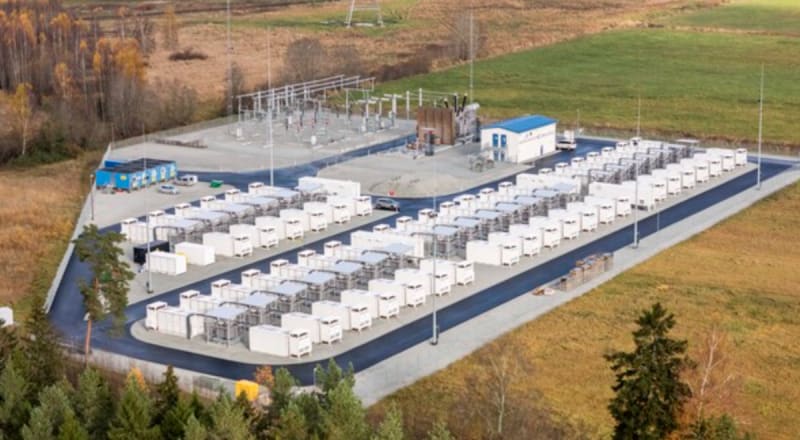
The €100 million Kiisa battery facility, developed by Estonian company Evecon with French partners Corsica Sole and Mirova, features 54 battery containers. It's designed to stabilize the grid during normal operations, but this incident tested something more important: whether the regional network could handle a major unexpected failure.
No homes lost power. No industries shut down. The system absorbed a shock equivalent to losing a fifth of the region's winter electricity and barely missed a beat.
The Bright Side
This accidental stress test revealed just how far European energy infrastructure has come. A decade ago, losing 1,000 MW of interconnection capacity could have triggered rolling blackouts across multiple countries.
Today's grid is smarter and more connected. The automatic response from Poland and Lithuania, combined with regional reserves, created multiple safety nets working together. The Baltic states have invested heavily in grid resilience, and this incident proved those investments are paying off.
The Kiisa facility will complete its testing and join the network soon, adding stability rather than creating problems. The testing glitch identified weaknesses that engineers can now fix before the system goes fully operational.
Energy experts now have real-world data about how the Baltic grid responds under pressure, information that will help strengthen networks across Europe. Every stress test, even unplanned ones, makes the system more reliable for millions of people who depend on steady electricity every day.
The lights stayed on, and the region learned its backup systems work exactly as designed.
More Images

Based on reporting by PV Magazine
This story was written by BrightWire based on verified news reports.
Spread the positivity!
Share this good news with someone who needs it