Baltic Sea Emerges as Europe's Clean Energy Hub
The Baltic Sea is becoming a powerhouse for Europe's renewable energy future, with new cross-border projects strengthening the continent's green transition. These offshore wind and interconnection initiatives could help Europe meet its ambitious 2030 climate targets.
Europe just found a powerful ally in its fight against climate change, and it's been hiding in plain sight.
The Baltic Sea is transforming into a major clean energy hub, with countries surrounding its waters racing to harness offshore wind power and build stronger electrical connections. This shift could reshape how millions of Europeans get their electricity in the coming decade.
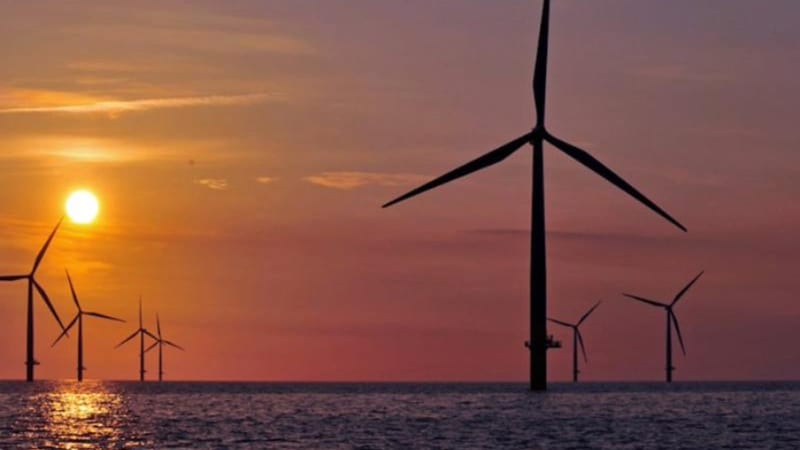
Multiple nations bordering the Baltic, including Sweden, Denmark, Germany, and Poland, are collaborating on ambitious offshore wind projects that take advantage of the sea's strong, consistent winds. These projects don't just generate clean electricity. They're creating thousands of jobs and reducing Europe's dependence on fossil fuel imports.
The real game changer is the new network of underwater power cables connecting these countries. These high-voltage direct current lines allow nations to share renewable energy across borders, meaning Swedish wind power can light up homes in Poland, and Danish solar energy can reach German cities.
This interconnected approach solves one of renewable energy's biggest challenges: what happens when the wind doesn't blow or the sun doesn't shine in one location. With multiple countries linked together, there's always clean power flowing from somewhere.
The Ripple Effect
The Baltic Sea's transformation extends far beyond electricity generation. Coastal communities that once relied on fishing or shipping are becoming centers of renewable energy innovation, with new training programs preparing workers for green economy jobs.
The environmental benefits are equally impressive. Each new offshore wind farm reduces carbon emissions while creating artificial reef habitats that boost marine biodiversity. Fish populations around turbine foundations are actually thriving in many locations.
Perhaps most importantly, this regional cooperation is proving that countries can work together effectively on climate action. The Baltic Sea project involves nations with different languages, economies, and political systems, yet they're united by a common goal of clean energy independence.
The interconnected grid also strengthens energy security across the entire European Union. When one country faces a shortage, its neighbors can step in with surplus renewable power, making blackouts less likely and energy prices more stable.
This collaborative model is already inspiring similar projects in other European waters, from the North Sea to the Mediterranean. What started as a regional initiative could become the blueprint for global renewable energy cooperation.
The Baltic Sea's journey from quiet waterway to clean energy powerhouse shows what's possible when nations choose cooperation over competition.
Based on reporting by Regional: sweden renewable energy (SE)
This story was written by BrightWire based on verified news reports.
Spread the positivity!
Share this good news with someone who needs it