Baltimore Artist Turns Recovery into Powerful Art Installation
A filmmaker in her 19th year of recovery creates a multimedia installation that challenges how we see people struggling with addiction. Her work transforms viral overdose videos into a story of humanity and hope.
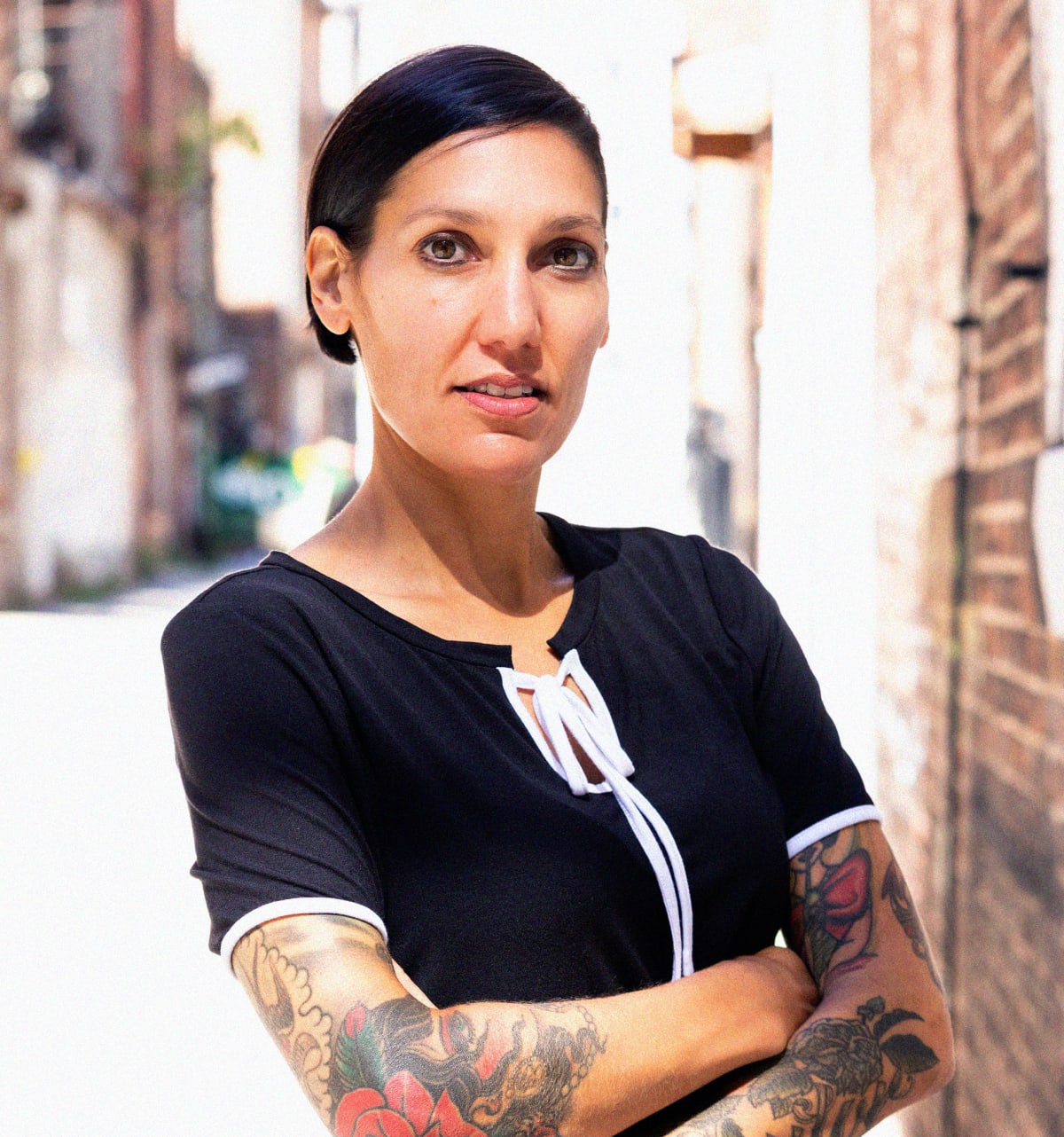
When Dina Fiasconaro saw videos of people overdosing while bystanders filmed instead of helping, she knew she had to tell a different story. The Baltimore filmmaker and Stevenson University professor spent 19 years in recovery before feeling ready to bring that experience into her art.
Her new installation, Uh Huh Her, opens July 10 at Submersive HQ in Baltimore. The four-channel video work recreates a fictionalized overdose video, but with a crucial difference: it shows what happens after the cameras stop rolling.
"I want people to see individuals with substance use disorder as multifaceted human beings," Fiasconaro said. The installation presents multiple perspectives of the same moment, including the mother's viewpoint, her child's experience, and surveillance footage that reveals the full scene.
One video haunted Fiasconaro during her research: a mother overdosing in a store while her young child wandered nearby, crying. "People recover, but these videos can continue to follow them for years," she explained.
Performer Clare Lefebure brings the installation to life through a live monologue following the video loop. She rises from the floor and addresses the audience directly, extending the story beyond the worst moment captured on camera.
"It's been an interesting lens through which I look at my own past," Lefebure said about portraying someone experiencing addiction. The performance explores how we become different selves throughout our lives and how others relate to those various versions of us.
Why This Inspires
This project does something remarkable: it asks us to see past a person's worst moment and recognize their full humanity. Fiasconaro waited nearly two decades into her recovery to create work about substance use disorder, and that patience shows in the depth and compassion of her approach.
The installation challenges our impulse to record rather than help, to judge rather than understand. By showing multiple perspectives of the same moment, it reveals how incomplete our snap judgments can be.
Kelly Ryan from Love in the Trenches, a Baltimore nonprofit supporting families affected by substance use disorder, praised the work for raising questions about the ethics of filming vulnerable people during medical emergencies. "People don't always think about the long-term effects," Ryan said.
Fiasconaro's journey from hiding her recovery to integrating it fully into her artistic identity offers hope to anyone struggling with shame. "It feels like all of my identities have finally integrated," she said.
The installation proves that our lowest moments don't define us and that recovery stories deserve to be told with as much attention as the crises that precede them.
More Images




Based on reporting by Google News - Recovery Story
This story was written by BrightWire based on verified news reports.
Spread the positivity!
Share this good news with someone who needs it