Baltimore Church Swaps Parking Lot for 74-Tree Forest
A Baltimore church ripped up part of its parking lot and planted 74 native trees to fight flooding and cool polluted rainwater. The mini forest is now helping neighbors tackle climate change one raindrop at a time.
A Baltimore church just proved you don't need a massive budget to make a real difference for the planet. Faith Presbyterian Church traded asphalt for trees, and the results are transforming their neighborhood.
The church planted 74 native trees and a rain garden where a parking lot once stood. Now when rain falls, it slows down instead of rushing into polluted waterways. Native plants filter out toxins as the water seeps underground, giving fish and aquatic life a fighting chance.
William Curtis, a longtime church member, explains why this matters. Traditional stormwater systems keep basements dry, but they send hot water straight into streams. Fish are extremely sensitive to temperature changes, and even a few degrees can be deadly.
The church's approach does something better. Trees shade the property, keeping water cool. The rain garden gives water time to settle and filter naturally before continuing through the watershed.
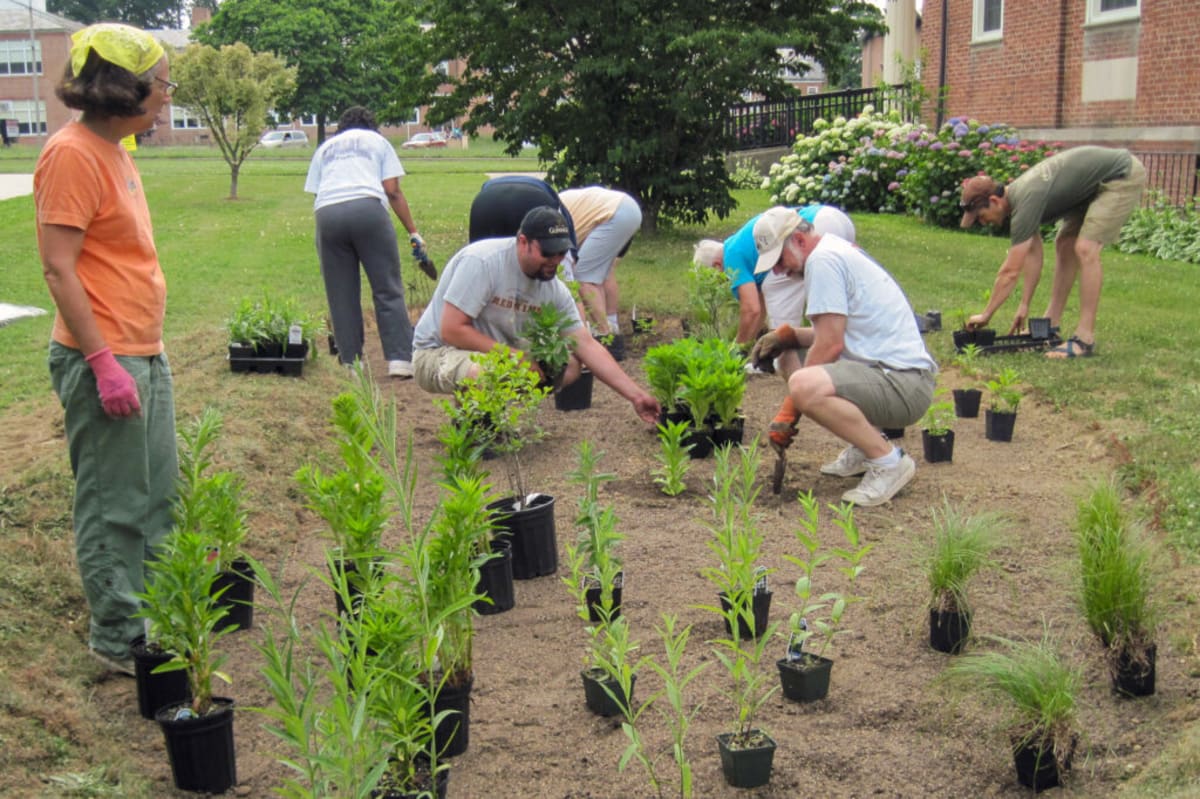
Faith Presbyterian started small in 2010 with a 200-square-foot rain garden. Last year, they went bigger. In spring and fall 2023, congregants and neighbors planted 44 trees and wildflowers to support pollinators and birds. The Alliance for the Chesapeake Bay added 30 more trees that fall.
The church had the space because their congregation has shrunk. Built for over 1,000 members, they now serve far fewer people. Pastor Cat Dodson Goodrich saw an opportunity to serve their neighborhood in a different way.
They partnered with Blue Water Baltimore and Interfaith Partners for the Chesapeake to make it happen. The nonprofit helps translate complex environmental science into language that resonates with faith communities.
The Ripple Effect
Baltimore desperately needs solutions like this. The city sits in a low-lying area bordering the Chesapeake Bay, making it vulnerable to flooding. Rising sea levels and aging infrastructure are creating sunny-day floods that damage basements and property.
Every patch of pavement replaced with green space helps. Trees and rain gardens slow water down during storms, reducing the load on outdated stormwater systems. They also cool neighborhoods, clean the air, and give wildlife habitat.
Other Baltimore congregations are watching and learning. Local teens helped install stepping stones in the new forest through the city's Youth Environmental Stewards program. They're learning that climate action can start in their own backyards.
The church now has squirrels darting between trees, some newly planted and others in full bloom. What was once hot asphalt is becoming a thriving ecosystem that serves the whole community.
Based on reporting by Inside Climate News
This story was written by BrightWire based on verified news reports.
Spread the positivity!
Share this good news with someone who needs it