Bamboo Music Festival Transforms Ziro Valley Every September
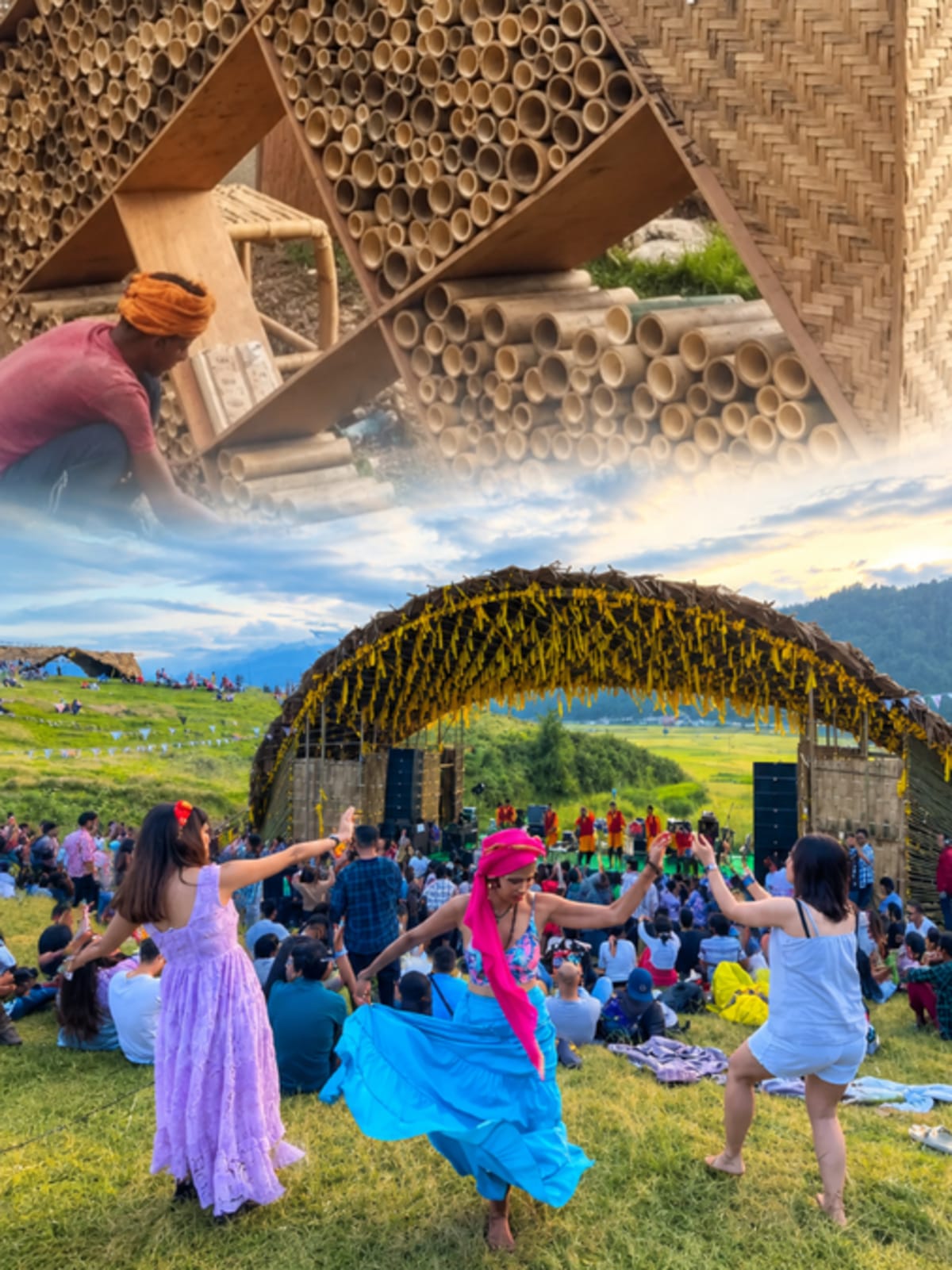
Every September, a remote valley in Arunachal Pradesh becomes India's most sustainable music festival, where 10,000 visitors gather on paddy fields surrounded by stages built entirely from bamboo. The Ziro Festival proves major events can leave zero trace while creating unforgettable experiences.
Every September, the quiet paddy fields of Ziro Valley transform into a four-day music celebration that draws 10,000 people to one of India's most remote corners. The festival happens without a single permanent structure, leaving the land ready for farming the moment the music stops.
Musicians Bobby Hano and Anup Kutty started the festival in 2012 with a simple goal: create a stage for independent artists in partnership with the Apatani tribe who've called this valley home for generations. What began as a small gathering has become Arunachal Pradesh's largest non-pilgrimage tourism event, outdrawing destinations with far easier access.
Local artisans build three bamboo stages named Danyi, Pwlo, and Takvr using materials cut from nearby forests. No cement, no steel, just traditional building techniques that fit perfectly into the landscape and disappear just as easily when the festival ends.
The event bans all single-use plastic and serves local rice beer called Apong in handwoven bamboo cups. Free water refill stations dot the grounds, and organizers sort every piece of waste to leave the site completely untouched.
Getting there requires effort. Indian visitors need an Inner Line Permit, and foreign nationals must obtain a Protected Area Permit because Arunachal Pradesh borders protected territory. No direct highway or railway connects to Ziro, yet thousands make the journey anyway.
The Ripple Effect
The festival brings together more than 40 acts each year, mixing Indian folk musicians, rock bands, and international artists with emerging talent from the northeast. Discovery matters more than big names, giving new voices a platform they might never find elsewhere.
Apatani families open their homes as homestays, cooking traditional meals over open fires and sharing stories with visitors from around the world. The festival's training programs teach local artisans to design and build each bamboo stage, creating skills that stay in the community long after the crowds leave.
Visitors camp in tents surrounded by misty rice terraces and pine-covered ridges. Evenings end around spontaneous bonfires where strangers become friends, swapping songs and stories under the stars.
This September, the cycle begins again as musicians and travelers return to Ziro's paddy fields for four days of music, bamboo craftsmanship, and the unmistakable spirit of a valley that knows how to celebrate without leaving a scar.
Based on reporting by The Better India
This story was written by BrightWire based on verified news reports.
Spread the positivity!
Share this good news with someone who needs it