Bangkok Brothers Open Insect Museum to Save Urban Nature
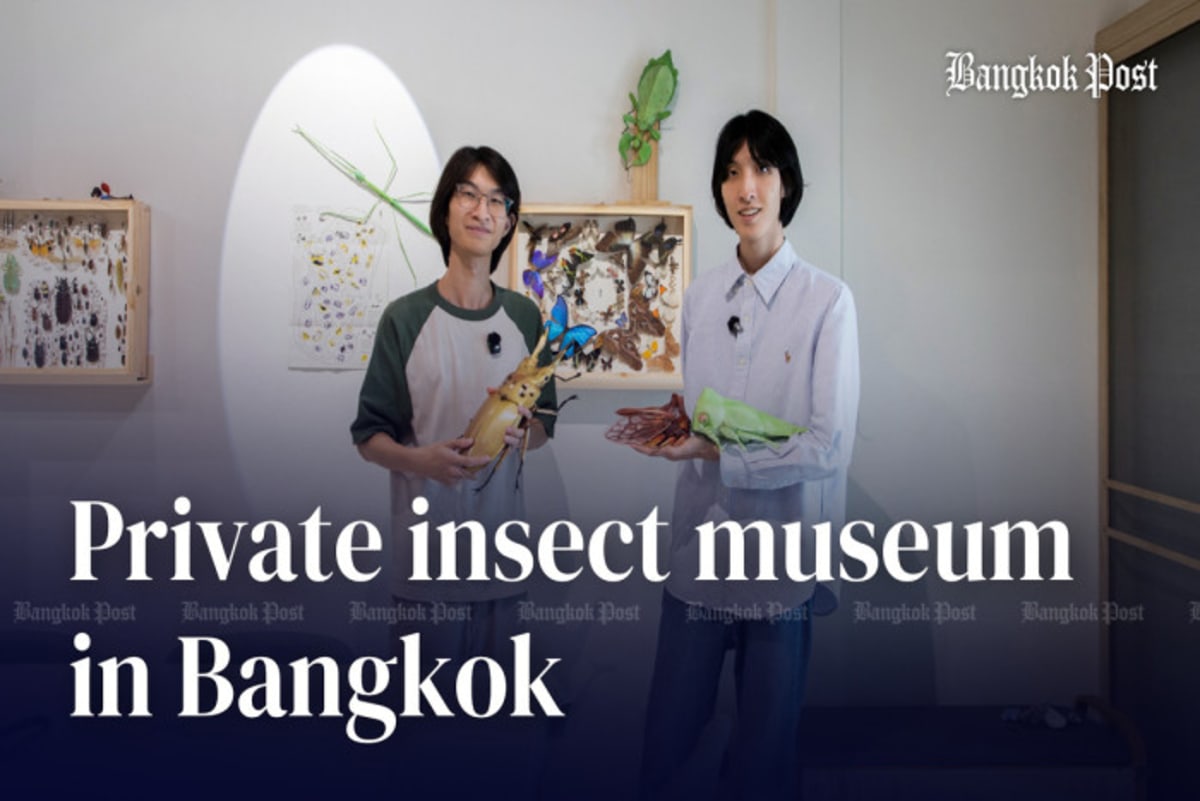
Two brothers in Bangkok just launched a private insect museum to help city dwellers reconnect with the tiny creatures that keep our world alive. Their hands-on workshops turn everyday nature encounters into real scientific discoveries.
📺 Watch the full story above
In a bustling city where concrete often wins over greenery, two brothers are teaching Bangkok residents why the insects around them matter more than they realize.
Kawin and Kavee Sirichantakul opened Wanghin Lab, a compact private museum and learning center dedicated to urban biodiversity. Their mission is simple but urgent: help city dwellers understand that humans cannot survive without insects.
The museum offers something most science centers don't. Visitors can take insect mounting workshops, learn field data collection techniques, and discover how to turn casual observations into meaningful scientific contributions.
The brothers believe that reconnecting with nature doesn't require a trip to the rainforest. It starts with noticing the tree outside your apartment or the insects visiting your balcony plants.
Through hands-on training, Wanghin Lab empowers everyday Bangkok residents to become citizen scientists. That butterfly you spotted this morning or the beetle on your windowsill could become part of important biodiversity research.
The Ripple Effect
The museum addresses a critical gap in urban environmental awareness. As cities expand across Southeast Asia, insect populations face mounting pressure from habitat loss and pollution.
By teaching urban residents to observe, document, and appreciate insects, the Sirichantakul brothers are building a community of environmental stewards. Every trained citizen scientist multiplies the impact, creating more eyes watching over Bangkok's fragile urban ecosystem.
The approach transforms how people view their relationship with nature. Instead of seeing insects as pests or irrelevant background noise, participants learn to recognize them as essential partners in pollination, decomposition, and food chains that ultimately support human life.
The museum shows that environmental education doesn't need massive funding or sprawling facilities. Sometimes all it takes is two passionate brothers, a compact space, and the willingness to teach others why small creatures deserve big attention.
Every workshop graduate leaves with new skills and a changed perspective on the nature thriving quietly in their urban home.
Based on reporting by Bangkok Post
This story was written by BrightWire based on verified news reports.
Spread the positivity!
Share this good news with someone who needs it