Bangkok's Carbon-Negative Solar Bus Shelter Arrives
A bus shelter in Bangkok is generating more energy than it took to build, offering a glimpse of how cities can fight climate change one structure at a time. Swedish solar tech meets Thai engineering in what researchers call the world's first carbon-negative public transit shelter.
Commuters waiting for the bus in central Bangkok are now standing under what might be the future of urban infrastructure.
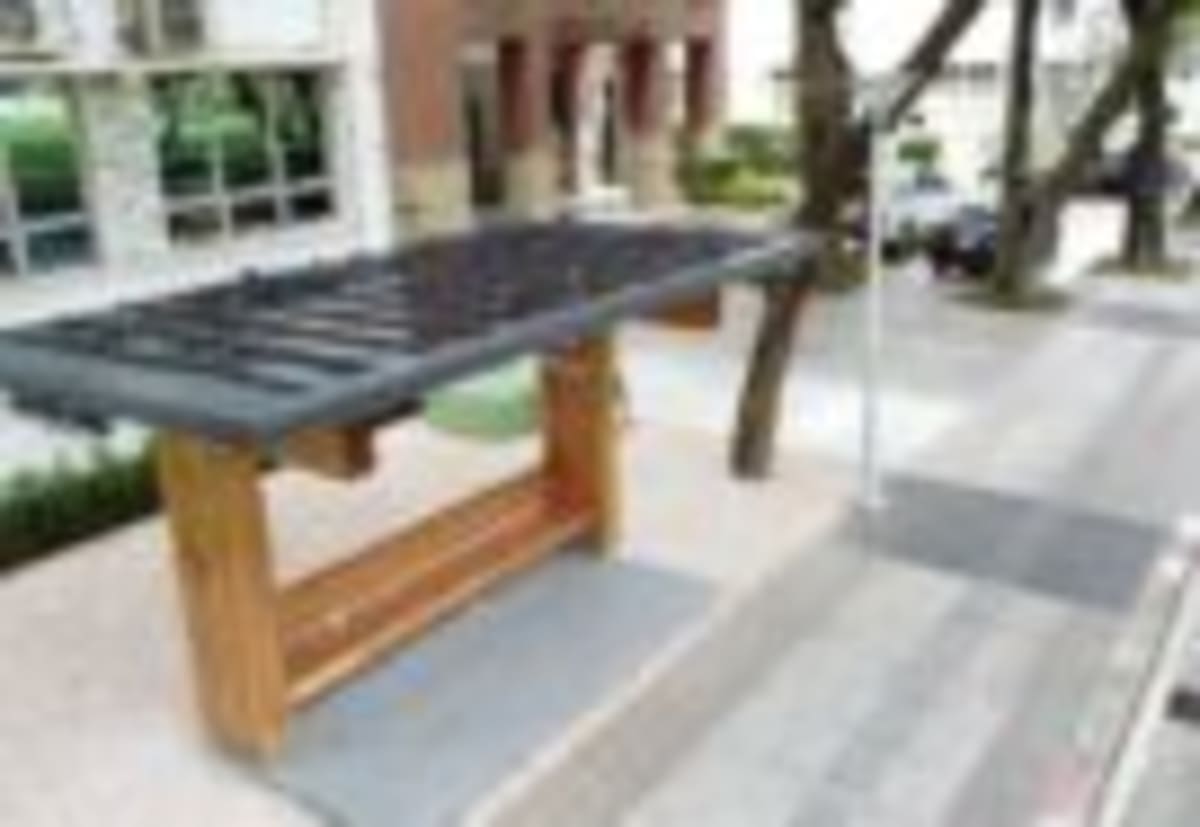
Chulalongkorn University and Swedish solar technology company Midsummer AB just unveiled the world's first carbon-negative solar bus shelter. The structure sits in front of the university's Faculty of Architecture, quietly proving that everyday city fixtures can actually help reverse climate change.
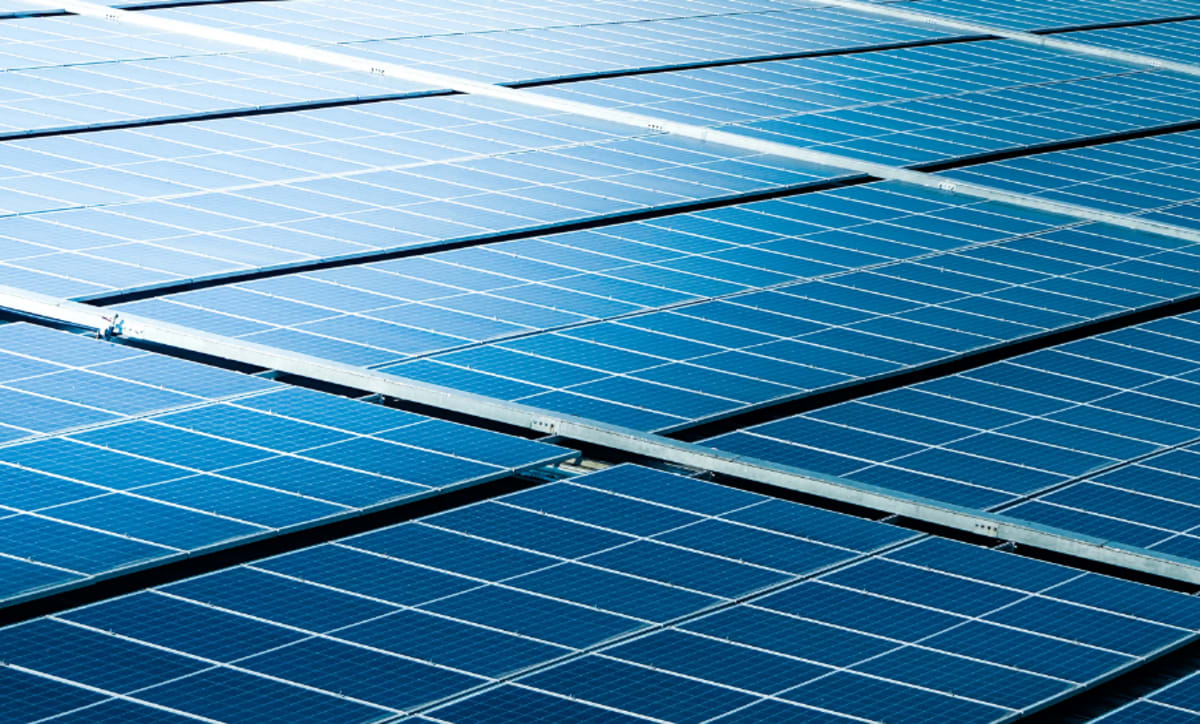
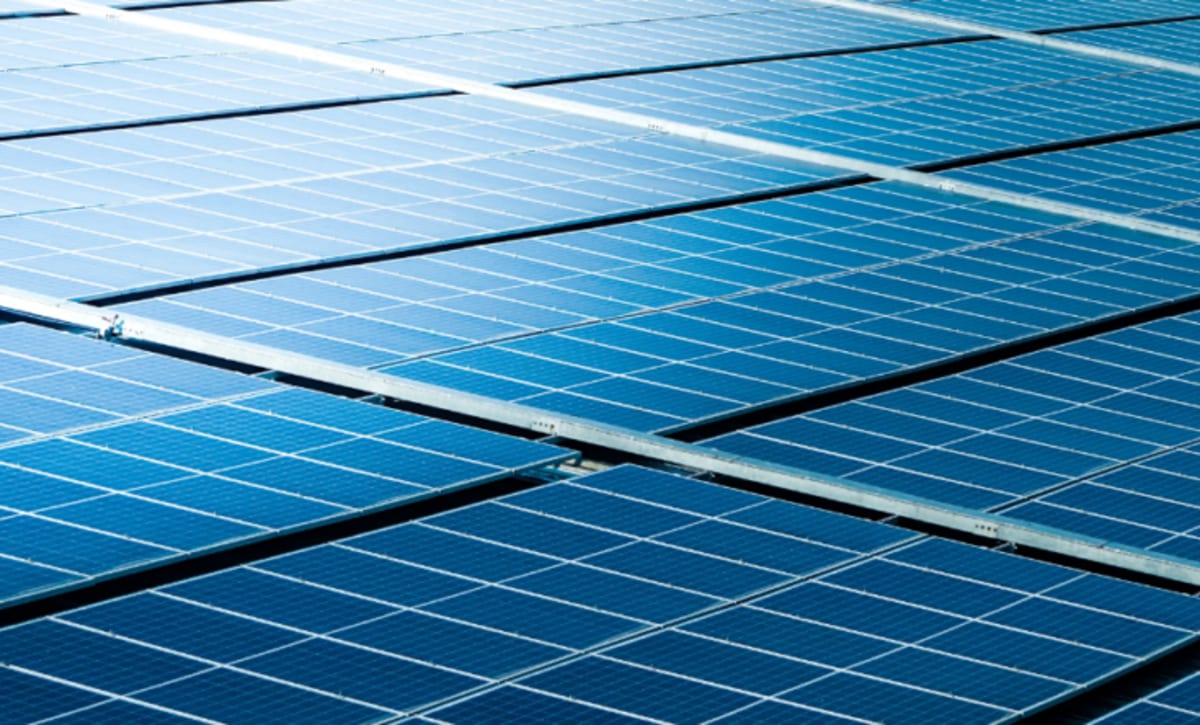
The shelter is built from engineered wood that locks carbon away for decades. Lightweight solar panels coat the roof, generating enough electricity to power LED lights, fans, mobile charging stations, and digital traffic displays. The energy it creates over its lifetime will exceed the carbon footprint of building it.
"This is a prime example of future energy generation in urban environments: smart, small-scale and distributed solar energy," said Lars Svensson, who leads strategic partnerships for Midsummer's Southeast Asian operations. The company's thin-film solar panels are light enough to sit on structures that couldn't support traditional heavy panels.
The project came together through Midsummer's Thai subsidiary and the university's architecture faculty. It's part of a larger partnership exploring how renewable energy can reshape cityscapes across Bangkok and beyond.
Assistant Professor Sarayut Supsook, Dean of the Faculty of Architecture, sees the shelter as proof that universities can move climate solutions from the classroom to the street. "By integrating architectural design, renewable energy, and sustainable materials, we can explore new urban solutions that respond to both climate and societal needs," he said.
The Ripple Effect
The bus shelter is designed as both a working piece of infrastructure and a research platform. Engineers and architects will study how commuters use it, how well the solar panels perform in Bangkok's tropical climate, and how the engineered wood holds up over time.
The real impact could come from replication. Bangkok has thousands of bus shelters, and cities across Southeast Asia have tens of thousands more. If the design proves durable and cost-effective, it offers a template for transforming passive structures into active energy generators.
The partnership between Midsummer and Chulalongkorn University extends beyond this single shelter, focusing on low-carbon construction systems and climate-positive urban development across Thailand's capital.
One bus shelter won't solve climate change, but it shows how cities can turn everyday infrastructure into part of the solution.
More Images


Based on reporting by Regional: sweden renewable energy (SE)
This story was written by BrightWire based on verified news reports.
Spread the positivity!
Share this good news with someone who needs it