Bangkok's Smog Days Drop 60% From Last Year
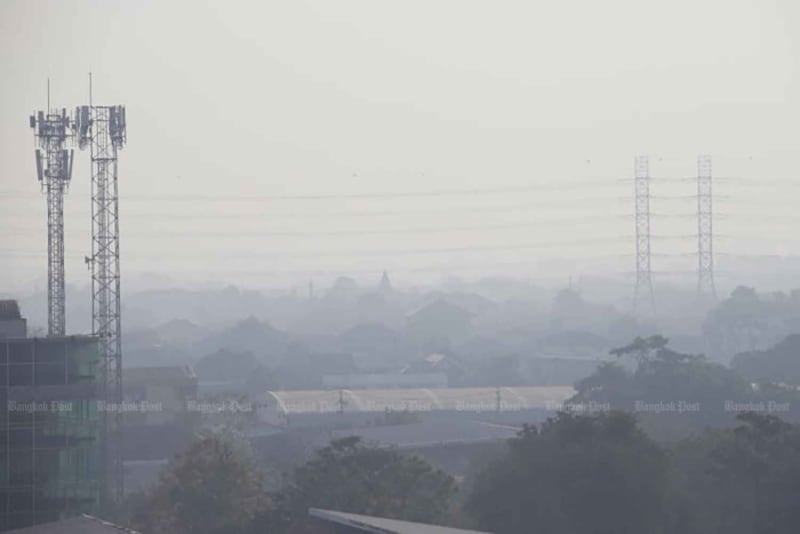
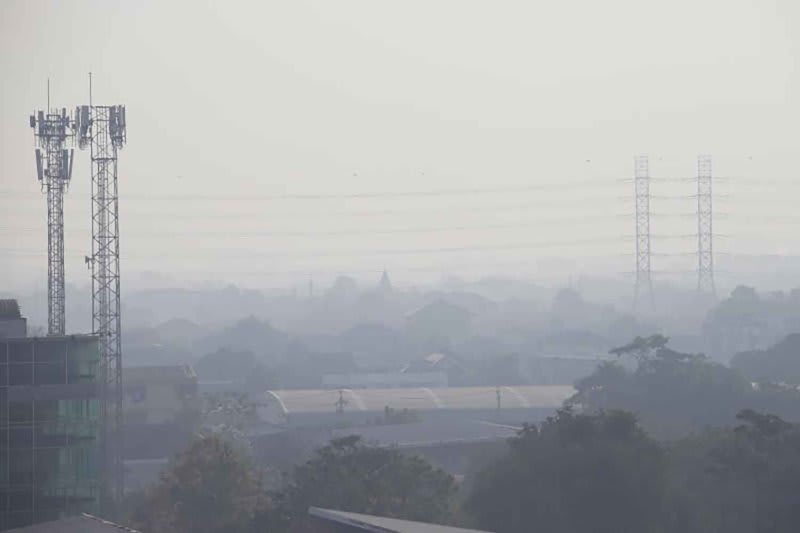
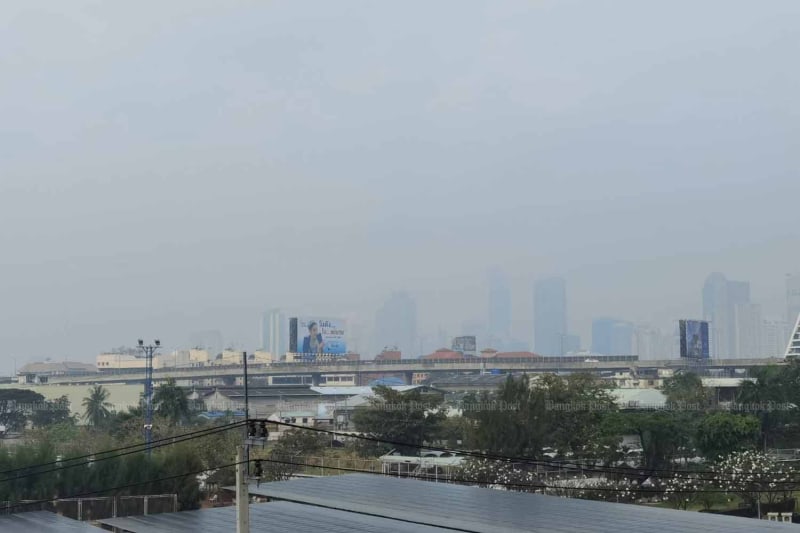
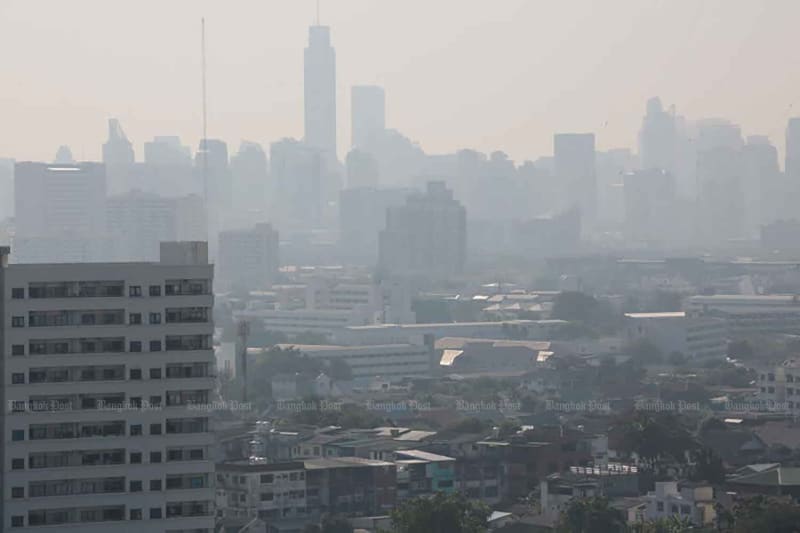
Bangkok just proved that coordinated action can clear the air, literally. The city slashed dangerous smog days by more than 60% this January compared to last year.
Breathing just got easier for millions in Bangkok. The Thai capital cut its hazardous air quality days from 19 to just seven this January, a stunning 60% improvement that shows what's possible when communities work together.
Governor Chadchart Sittipunt credits the turnaround to a simple but powerful strategy: stopping the problem at its source. Over the past few months, Bangkok partnered with six surrounding provinces to dramatically reduce open burning, the main culprit behind the city's notorious smog.
The numbers tell an incredible story. Average PM2.5 pollution levels dropped 29% to 35.4 micrograms per cubic meter, now below Thailand's safety threshold. That means cleaner air for the city's 10 million residents, especially children and elderly people most vulnerable to respiratory problems.
The real heroes are the farming communities in provinces like Nakhon Nayok and Sa Kaeo. Nakhon Nayok slashed burning hotspots from 185 to just 68. Sa Kaeo cut theirs nearly in half, from 143 to 78.
Bangkok didn't just ask for change. The city deployed specialized microorganisms across 1,000 acres of farmland to help farmers manage crop waste without burning. They provided straw balers so farmers could reuse materials instead of torching them. They ramped up inspections of vehicles and construction sites across all 50 districts.
Governor Chadchart acknowledges challenges remain. Winds from neighboring countries still carry pollution toward the city, and atmospheric conditions can trap pollutants. But the dramatic improvement proves that local action makes a measurable difference.
The Ripple Effect
This success story extends far beyond cleaner skies. Farmers in surrounding provinces learned sustainable waste management practices they can use for years. City residents now have a platform to report pollution violations through the Traffy Fondue app, making everyone part of the solution.
The cooperation between Bangkok and its neighboring provinces creates a model other Southeast Asian cities can follow. When urban centers partner with rural communities rather than just pointing fingers, everyone benefits.
Bangkok's transformation shows that air pollution isn't an unsolvable crisis. With coordination, investment in practical solutions, and communities willing to change old habits, cities can give their residents the clean air they deserve to breathe.
More Images
Based on reporting by Bangkok Post
This story was written by BrightWire based on verified news reports.
Spread the positivity!
Share this good news with someone who needs it