Bangladesh Aims to End Poverty Using Faith-Based Giving
Bangladesh is launching a revolutionary plan to eliminate extreme poverty in 10 to 15 years by formally organizing Zakat, the Islamic practice of charitable giving. Prime Minister Tarique Rahman is creating a national framework to harness billions in religious donations that currently flow through informal channels.
Bangladesh just took a bold step toward wiping out extreme poverty by tapping into a centuries-old tradition of giving.
Prime Minister Tarique Rahman announced plans to bring Zakat, a cornerstone of Islamic charitable giving, under formal government management. The goal is ambitious: eradicate extreme poverty within 10 to 15 years.
Zakat is one of Islam's five pillars, requiring Muslims to donate a portion of their wealth to those in need. In Bangladesh, a deeply religious nation of over 170 million people, citizens already give vast amounts privately, especially during Ramadan. But without coordination, this massive flow of generosity hasn't created lasting change.
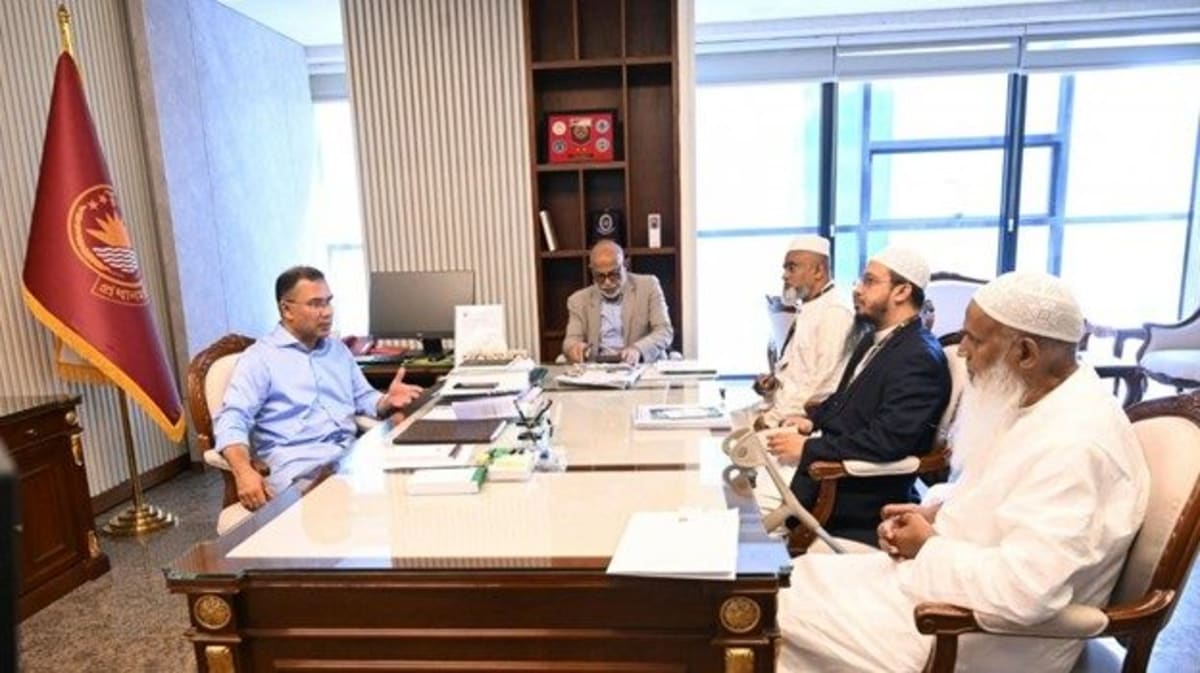
At a high-level meeting on March 9, Rahman outlined his vision to channel these donations through an organized state system. He gathered religious leaders, Islamic scholars, and economists to design what could become a groundbreaking poverty solution.
The government will reconstitute the national Zakat Board and form a powerful committee blending religious knowledge with modern economics. Religious Affairs Minister Shah Mofazzal Hossain Kaikobad will lead the effort alongside prominent Islamic scholars and economists. They have ten days to propose committee members and will report recommendations directly to the Prime Minister.
Organizations like the As-Sunnah Foundation have already proven the concept works on a smaller scale. They've successfully used Zakat funds to help Bangladeshis become self-reliant, creating models that could now scale nationwide.
The Ripple Effect
International observers see potential far beyond Bangladesh's borders. If this experiment succeeds, it could offer a blueprint for other Muslim-majority nations struggling with poverty.
Dr. A.F.M. Khalid Hossain, a renowned Islamic scholar, captured the philosophy simply: "If Zakat is collected and distributed correctly, no one in society will have to extend their hand for help." That's not just religious teaching but practical economics.
The approach treats Zakat as more than ritual. It's a systematic tool for wealth redistribution that addresses inequality at its roots. When properly managed, these funds could provide job training, small business loans, education, and healthcare to millions who need it most.
Bangladesh's dense population and widespread poverty make it an ideal testing ground. Success here could inspire similar efforts across Asia, Africa, and the Middle East, potentially lifting hundreds of millions out of hardship.
Rahman's initiative reflects a growing global trend: finding innovative solutions to old problems by looking to cultural and spiritual traditions. Sometimes the most effective answers have been there all along, just waiting for the right structure to unlock their power.
A nation is betting that faith and smart management can accomplish what decades of traditional aid couldn't.
More Images
Based on reporting by Google News - Poverty Reduction
This story was written by BrightWire based on verified news reports.
Spread the positivity!
Share this good news with someone who needs it