Bangladesh Completes Democratic Transition After Uprising
Nobel laureate Muhammad Yunus successfully handed power to an elected government 18 months after a student-led uprising toppled an authoritarian regime. The peaceful transition marks a historic moment for democracy in the South Asian nation of 170 million people.
After nearly two years of careful rebuilding, Bangladesh just completed one of the most hopeful democratic transitions in recent history.
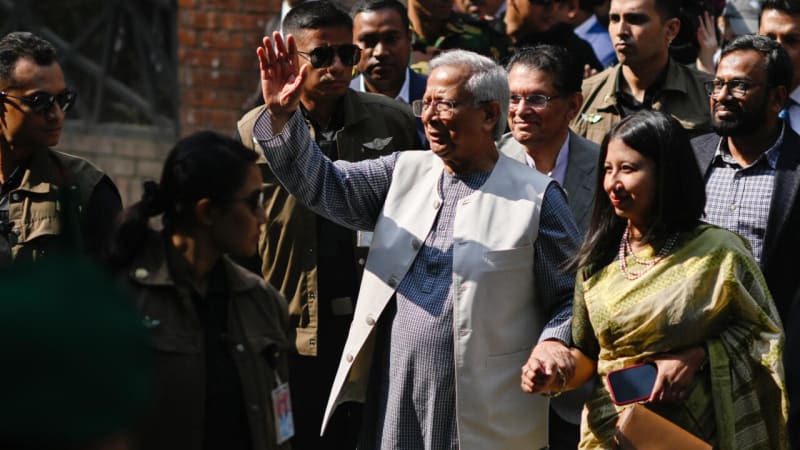
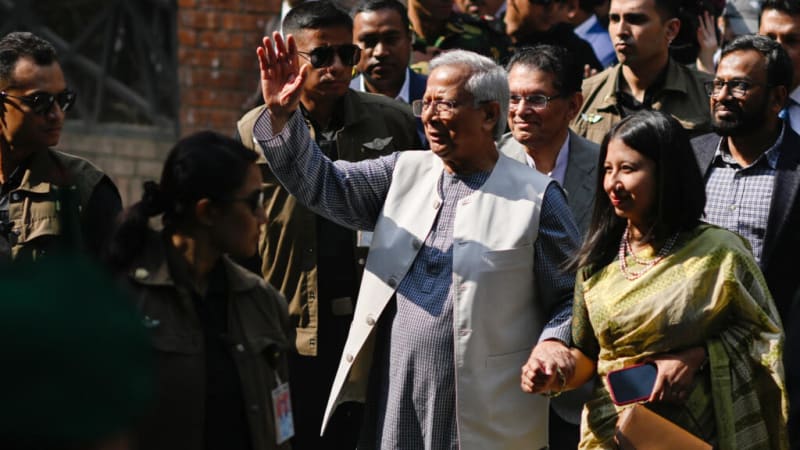
Nobel Peace Prize winner Muhammad Yunus stepped down Monday as interim leader, handing power to a newly elected government after guiding the nation through its rebirth. The 85-year-old returned from exile in August 2024, just days after students overthrew the iron-fisted government of Sheikh Hasina, who fled the country by helicopter.
"That was the day of great liberation," Yunus said in his farewell address. "The youth of our country freed it from the grip of a demon."
His mission was clear: rebuild democratic institutions and create a framework that would prevent future authoritarian rule. For 18 months, he worked to restore what had been destroyed and prepare the country for free elections.
Last week, 170 million Bangladeshis went to the polls in elections that observers called fair and peaceful. The Bangladesh Nationalist Party won a decisive victory, securing 212 seats. Despite weeks of campaign tension that resulted in five deaths, voting day itself passed without major incident.
The Ripple Effect
The real victory extends beyond the ballot box. On the same day as elections, voters approved sweeping democratic reforms through a national referendum.
The "July Charter" introduces term limits for prime ministers, creates an upper house of parliament, strengthens judicial independence, and expands presidential powers. These reforms aim to prevent any single leader from consolidating too much control again.
"We did not start from zero. We started from a deficit," Yunus explained. "Sweeping away the ruins, we rebuilt institutions and set the course for reforms."
The peaceful transfer of power sends a powerful message across South Asia, a region where democratic backsliding has been common. Bangladesh proved that citizen-led movements can succeed, that transitions don't have to be violent, and that democracy can be restored even after years of authoritarian rule.
Newly elected lawmakers will be sworn in Tuesday, with Tarique Rahman becoming the next prime minister. Even the opposition Jamaat-e-Islami party, which won 77 seats, pledged to serve as a "vigilant, principled, and peaceful opposition."
A nation that shed tears of joy 18 months ago can now celebrate again, knowing their youth's bravery led to lasting change.
More Images
Based on reporting by France 24 English
This story was written by BrightWire based on verified news reports.
Spread the positivity!
Share this good news with someone who needs it