Bangladesh Creates 180,000 Jobs Beyond Garment Industry
Bangladesh just proved it can thrive beyond textiles, creating 180,000 new jobs and tripling exports in leather, footwear, and engineering sectors. A smart partnership between government grants and private investment helped 570 companies reach global markets they couldn't access before.
Nearly 180,000 Bangladeshis now have new jobs outside the garment factories that have dominated their country's economy for decades, thanks to a program that helped small manufacturers compete on the world stage.
Bangladesh has long relied on clothing exports for 82 percent of its international sales. But a collaboration between the World Bank and private companies just proved the country can succeed in leather goods, footwear, light engineering, and plastics too.
The numbers tell an incredible story. Export growth in these non-garment sectors jumped 83 percent annually from 2016 to 2023, nearly three times the original goal. Companies that received support saw their sales grow by 59 percent, almost four times the target.
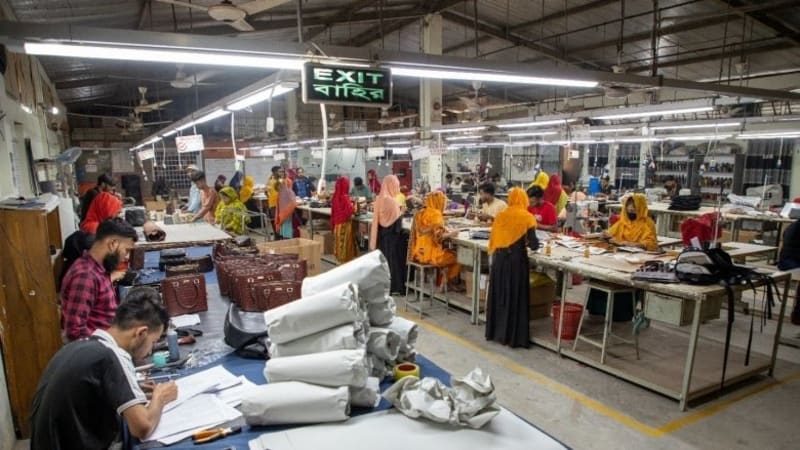
Here's how it worked. The Export Readiness Fund gave grants to 570 firms, including women-led businesses, to help them meet international safety and environmental standards. But companies had to invest their own money too, creating a shared commitment that brought in $18 million in private funding.
A third-party manager handled the grants to keep the process fair and transparent. This meant companies got funding based on real progress, not connections or influence. The approach worked so well that 98 percent of funds were used on time.
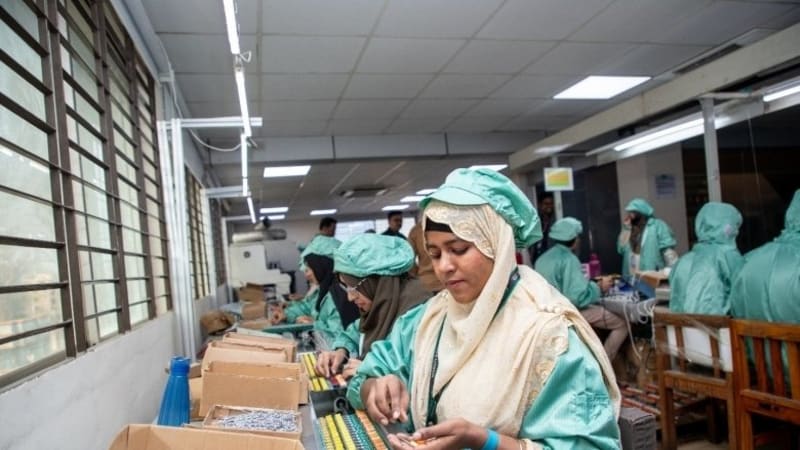
The program trained over 107,000 people in upgraded skills and workplace safety, with women making up 38 percent of participants. These workers earned 260 internationally recognized certificates that opened doors to buyers in 22 new countries.
The Ripple Effect
When COVID hit, the program quickly adapted. It launched a special grant to help companies pivot to medical equipment and protective gear. Those pivots stuck, with firms continuing to export these products after the pandemic because they proved nearly four times more profitable than their original products.
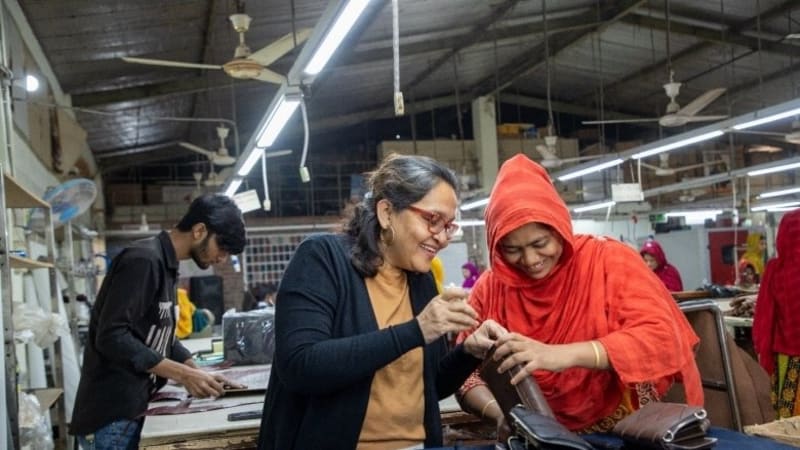
Take Apex Footwear Limited. After receiving a grant, the company restarted operations post-COVID and created over 9,600 jobs, with more than 38 percent going to women. Tasleema Miji now runs Leatherina Private Limited as managing director, employing workers who gained new skills through the program.
The success shows what happens when governments provide smart support without taking over. Companies kept skin in the game with their own investments. Training gave workers real skills. And independent oversight kept the process honest.
Bangladesh still faces challenges, with 21 million people in extreme poverty and most workers in informal jobs. But this program proved the country can build quality jobs beyond garment factories, one skilled worker and compliant company at a time.
More Images
Based on reporting by Google News - Jobs Created
This story was written by BrightWire based on verified news reports.
Spread the positivity!
Share this good news with someone who needs it