Bangladesh Election Shows Democracy Alive After Uprising
Eight months after students overthrew an authoritarian government, Bangladesh is holding open elections with multiple parties competing freely. The February 12 vote marks a dramatic shift from years of one-party dominance to genuine democratic choice.
Bangladesh is about to experience something it hasn't seen in years: a competitive election where the outcome isn't predetermined.
Just eight months after student protesters toppled Prime Minister Sheikh Hasina's authoritarian government, the country of 170 million people is preparing for elections on February 12. Multiple political parties are openly campaigning, presenting manifestos, and meeting with voters without fear of repression.
The transformation is striking. For decades, Bangladesh politics meant a rigid two-party system where one side dominated while others faced bans and arrests. Now, previously marginalized groups are participating openly, and voters have real choices.
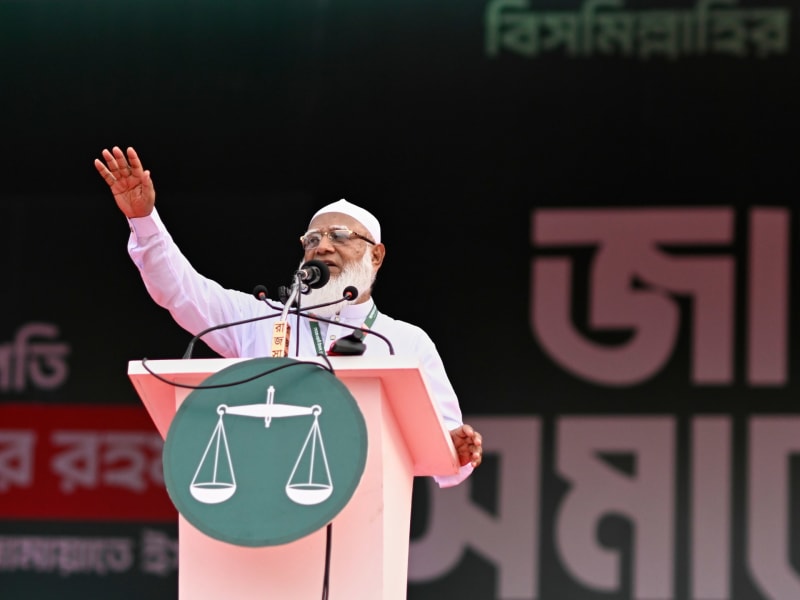
Political rallies are drawing massive crowds across Dhaka. Parties are unveiling ambitious visions for the country's future, from quadrupling GDP by 2040 to investing in technology and healthcare. Economists debate the details, but the fact that open debate is happening at all represents progress.
Foreign diplomats who once had limited contact with opposition groups are now meeting openly with all candidates. Business leaders are engaging with parties across the spectrum. The political conversation has opened up in ways that seemed impossible just a year ago.
The Ripple Effect
Bangladesh's democratic opening is inspiring similar movements across South Asia. Young activists in neighboring countries watched Bangladeshi students successfully demand change through peaceful protest and are drawing lessons for their own contexts.
The election itself matters less than what it represents: a society choosing its own path forward. After years of restricted freedoms and political repression, Bangladeshis are experiencing what genuine democratic participation feels like.
Whatever the outcome on February 12, the process itself is the victory. A country that seemed locked in authoritarian rule has broken free, and its people are determining their future at the ballot box rather than having it decided for them.
Based on reporting by Al Jazeera English
This story was written by BrightWire based on verified news reports.
Spread the positivity!
Share this good news with someone who needs it