Bangladesh Elects New Leader After 17 Years in Exile
After 17 years away from his country, Tarique Rahman has won a landslide election victory in Bangladesh's first democratic vote since a 2024 uprising ended authoritarian rule. International observers called the election "credible" as voters also approved sweeping reforms to prevent future one-party control.
Bangladesh just pulled off something remarkable: a peaceful transition to democracy after decades of iron-fisted rule.
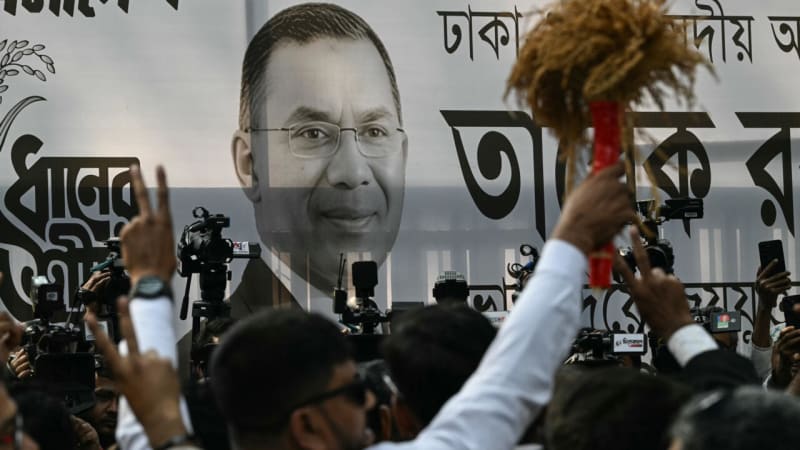
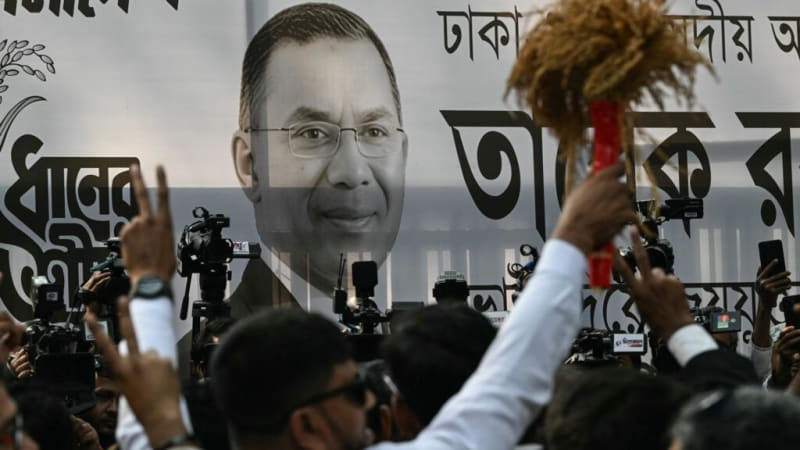
Tarique Rahman, leader of the Bangladesh Nationalist Party, won Thursday's election by a stunning margin, taking 212 seats compared to his rival's 77. The 60-year-old had spent nearly two decades in Britain, far from the political storms that gripped his homeland.
His return marks an incredible political comeback. Rahman comes from one of Bangladesh's most powerful families—his father was assassinated while serving as president in 1981, and his mother served three terms as prime minister.
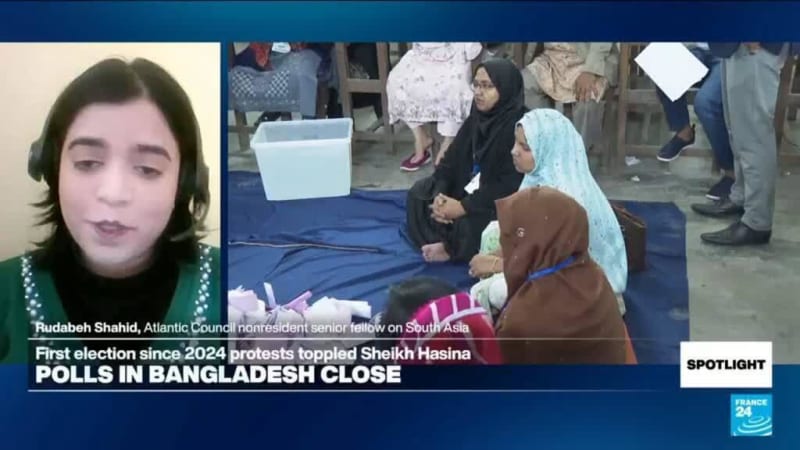
The election itself was historic. It was the first free vote since a deadly 2024 uprising toppled Sheikh Hasina, who had ruled with an iron fist and was later sentenced to death for crimes against humanity.
International observers gave the election high marks. The European Union called it "credible," and the U.S. embassy congratulated Rahman on his "historic victory." Out of more than 42,000 polling centers, voting was cancelled at only one.
Even Rahman's main rival, the Islamist party Jamaat-e-Islami, conceded gracefully after initially raising concerns. "In any genuine democratic journey, the true test of leadership is not only how we campaign, but how we respond to the verdict of the people," said Jamaat leader Shafiqur Rahman.
The Ripple Effect
The election's impact goes far beyond one man's victory. Bangladesh's 170 million people voted to approve sweeping democratic reforms that could reshape their government for generations.
The reforms include term limits for prime ministers, a new upper house of parliament, stronger presidential powers, and greater independence for judges. These changes aim to prevent any future leader from consolidating total control.
Nobel laureate Muhammad Yunus, who led the country as interim leader after the uprising, said Rahman "would help guide the country toward stability, inclusiveness, and development." Voter turnout hit 59 percent, showing strong engagement in this crucial moment.
Neighboring countries took notice too. India, which had strained relations with Bangladesh after the uprising, praised Rahman's "decisive win." China and Pakistan, along with the U.S., also congratulated the new leader.
The incoming government faces real challenges ahead, including boosting the economy and ensuring security. But for now, Bangladesh has shown the world that peaceful democratic transitions are possible, even after years of authoritarian rule.
More Images
Based on reporting by France 24 English
This story was written by BrightWire based on verified news reports.
Spread the positivity!
Share this good news with someone who needs it