Bangladesh Engineer Restores Wetlands Against All Odds
A government engineer in Bangladesh brought two vanished wetlands back to life despite violent attacks from illegal occupants. The restored water bodies now shelter hundreds of birds and wildlife in a drought-stricken region that lost 57% of its wetlands in three decades.
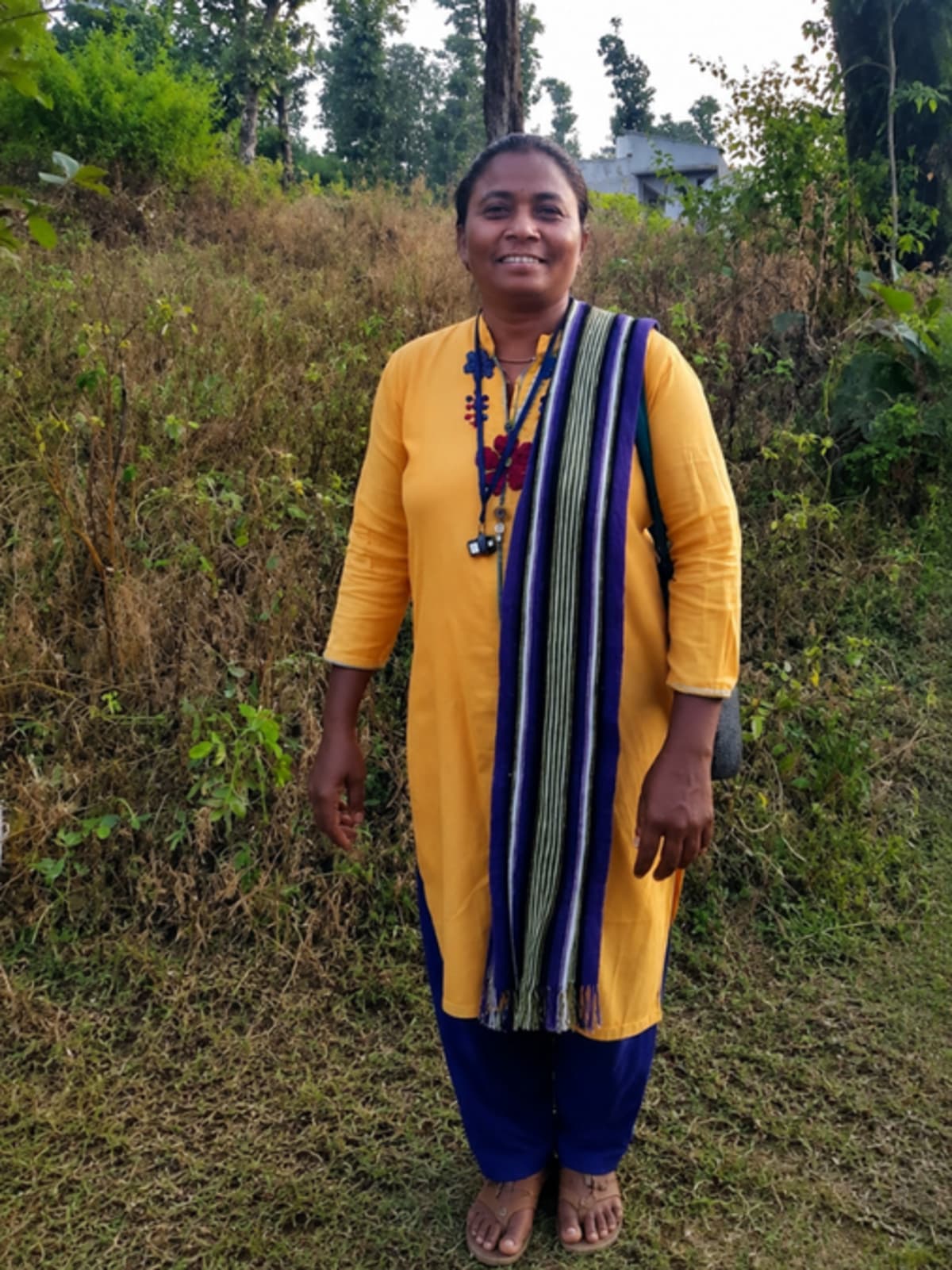
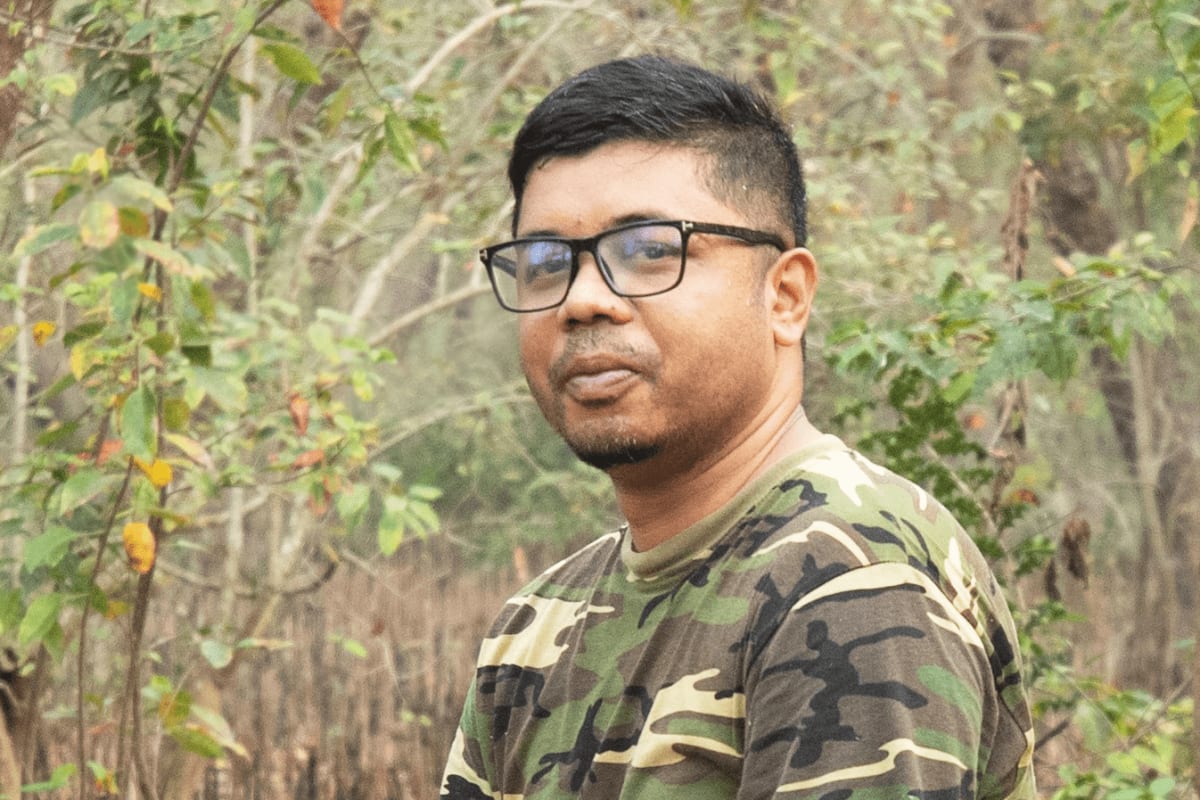
When A.K.M. Fazlul Haque learned that two wetlands he'd rescued were officially declared protected conservation areas, he smiled with relief after years of struggle.
The senior engineer at Bangladesh's Barind Multipurpose Development Authority had watched the wetlands of his childhood disappear. Bharardaho Beel and Patuakamri Beel, once thriving fish hubs and water reservoirs in Rangpur's northern district, had been transformed into silted crop fields by illegal occupants over 50 years.
Fazlul knew these landscapes like the back of his hand. He grew up in Badarganj hearing stories about how the deep pools formed where two rivers met hundreds of years ago. Local communities once harvested mussels from the water and produced lime from the shells to earn their living.
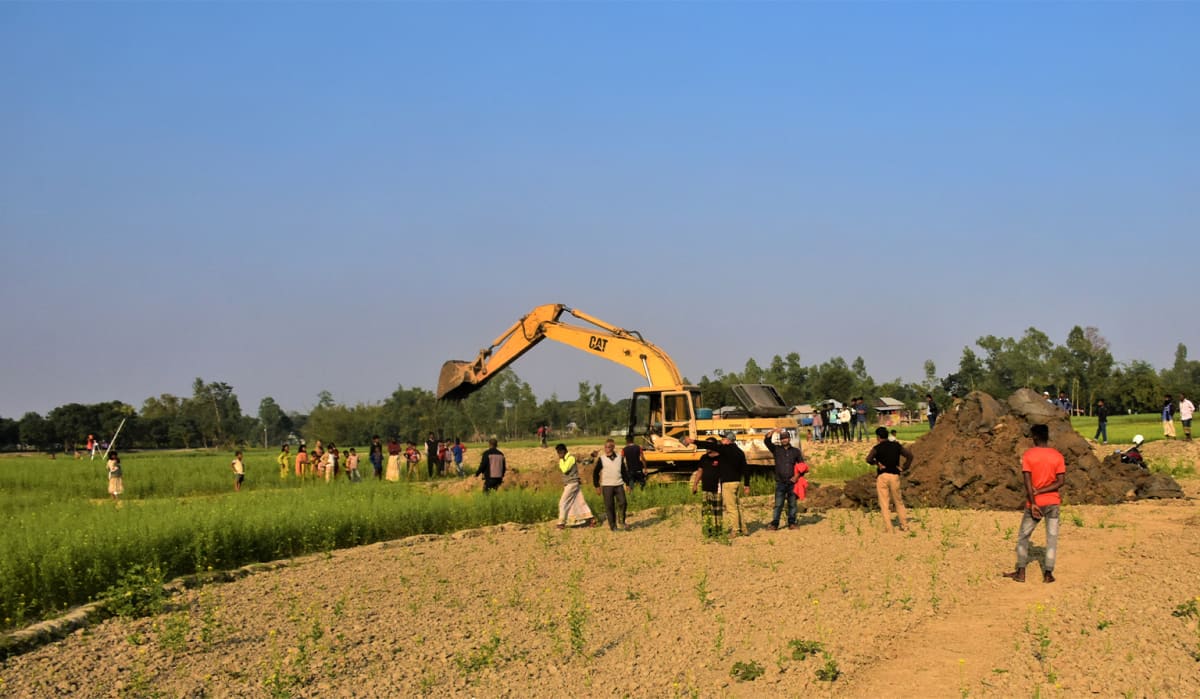
But when Fazlul proposed excavating the wetlands in 2019, he faced fierce resistance. Illegal occupants attacked him physically and smashed his expensive camera. They drove away excavation equipment on two consecutive days, determined to protect their unauthorized farmland.
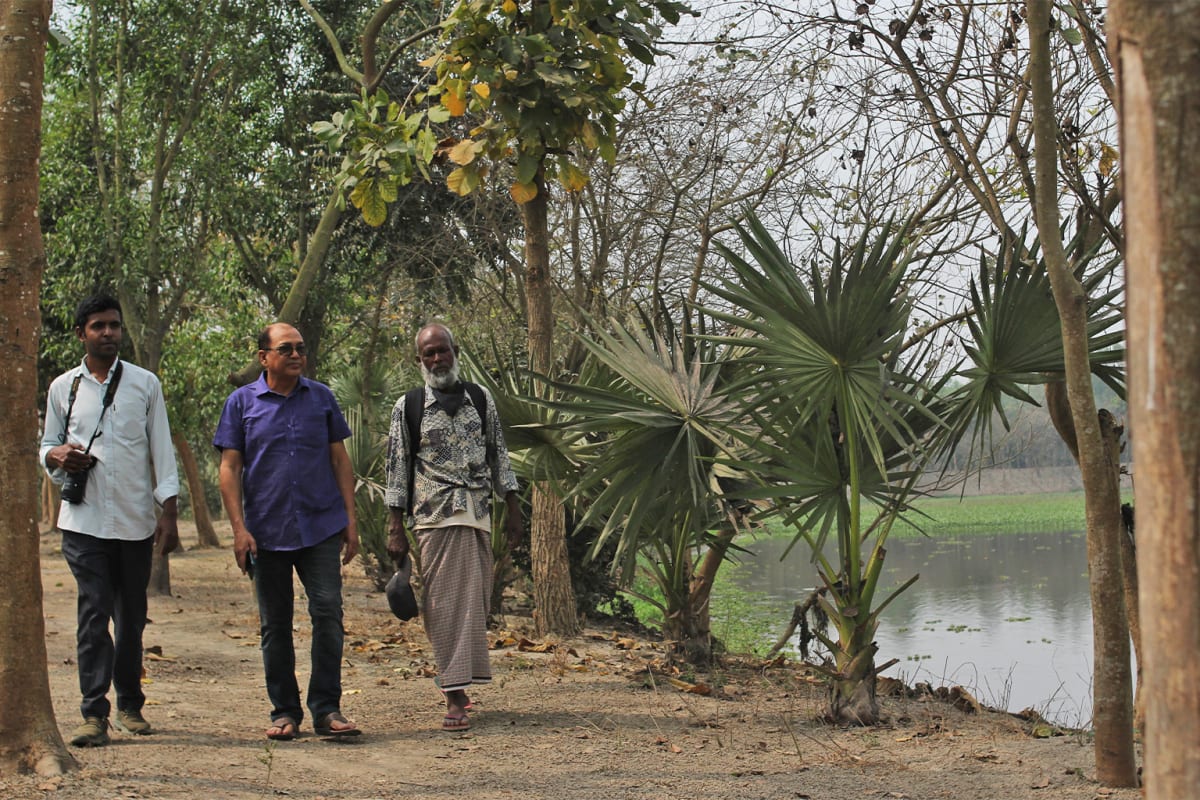
Fazlul didn't give up. With support from wetland conservation groups and local officials, excavation of the 11.6-acre Bharardaho Beel finally began on New Year's Eve 2020. After completion in February 2021, Fazlul and his team volunteered to plant rare indigenous trees along the ridges.
The fight for Patuakamri Beel followed in 2023. Despite continued opposition, the team successfully restored the 11.3-acre water body by April that year.
The Ripple Effect
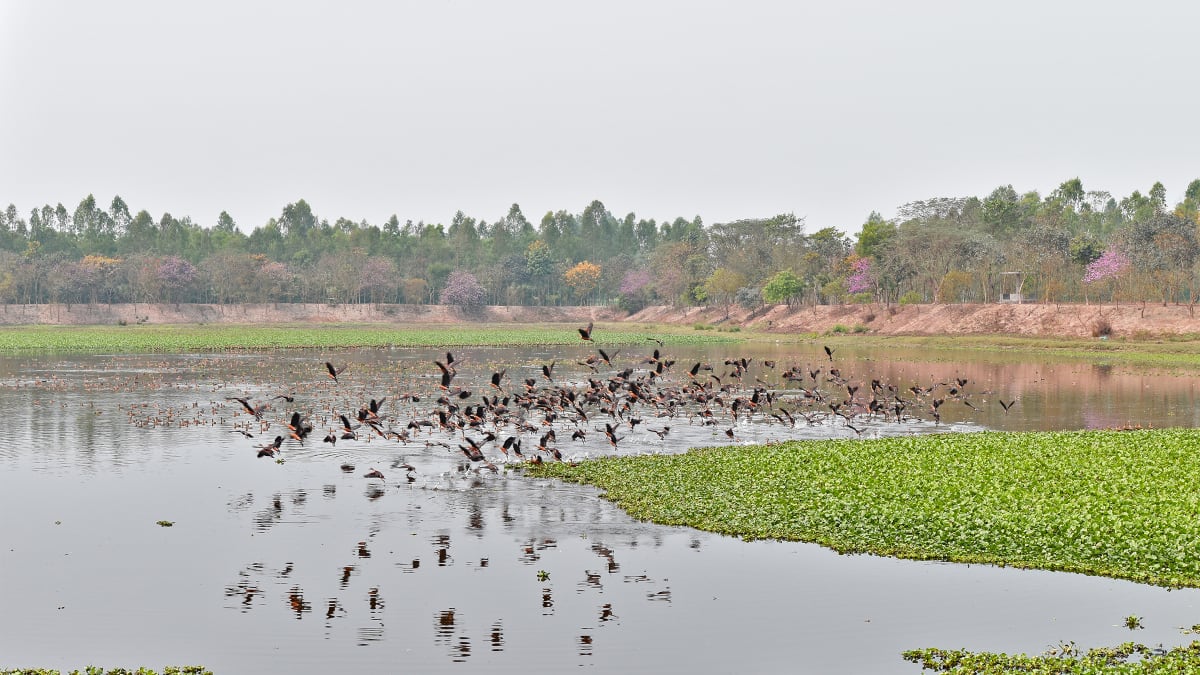
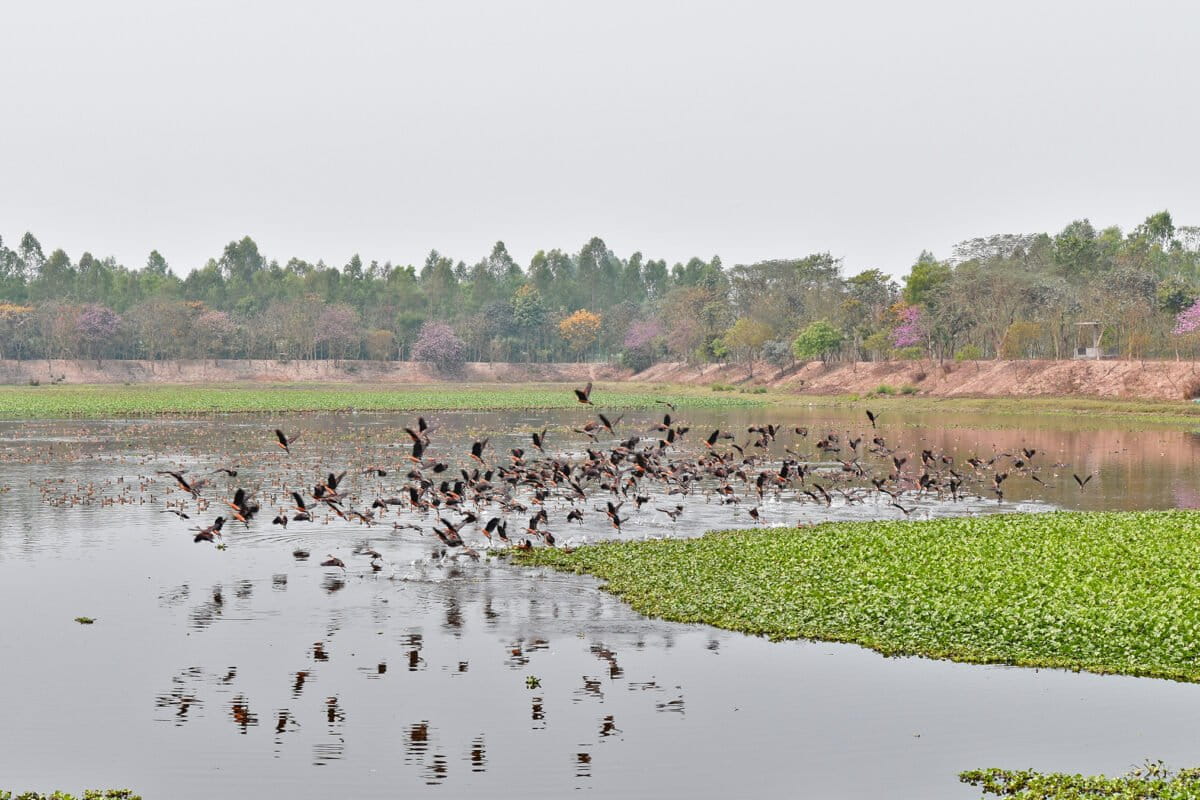
Today, both wetlands teem with life. Hundreds of water birds, including migratory species, now call these areas home year-round. The restored beels provide crucial water storage in a region where wetlands vanished at an alarming rate between 1989 and 2020.
The stakes extend beyond local wildlife. Professor Md Shafiqul Bari from Hajee Mohammad Danesh Science and Technology University explained that wetland conservation in drought-prone regions protects both local ecology and national food security.
Fazlul's victory came from more than technical expertise. He challenged government agencies that had actively enabled the destruction, including one that illegally diverted a river through the middle of Bharardaho Beel and dumped dredged soil into it.
His success proves that one determined person can reverse environmental damage even when powerful interests stand in the way.
More Images
Based on reporting by Mongabay
This story was written by BrightWire based on verified news reports.
Spread the positivity!
Share this good news with someone who needs it