Bangladesh Gets First Plastic Waste Reduction Project
EKI Energy Services just launched Bangladesh's first registered plastic waste reduction project, marking a major step forward for South Asia's circular economy. The initiative will generate credits that help recover plastic before it reaches landfills or pollutes the environment.
Bangladesh just took a historic step in the fight against plastic pollution, and it could transform how the country handles waste.
EKI Energy Services successfully registered the nation's first plastic waste reduction project with Verra, the global standard for environmental projects. The Phase I initiative launched in August 2026, bringing structured plastic recovery systems to one of South Asia's most populous countries.
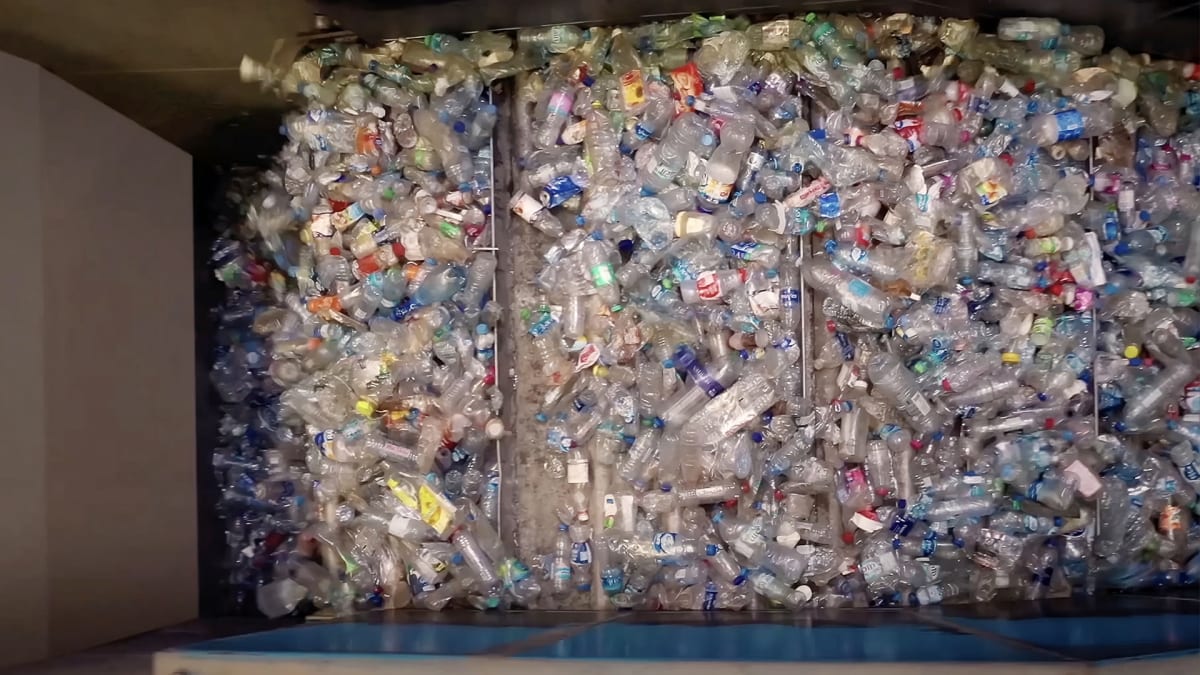
The project tackles a critical problem: valuable plastic materials ending up in landfills or leaking into rivers, oceans, and communities. Instead of letting that happen, EKI will implement systems to collect and recover plastic waste before it causes environmental damage.
Here's how it works. The project follows Verra's strict monitoring and verification processes to generate Plastic Credits. These credits increase the collection of waste materials and boost the availability of recycled plastic feedstock that manufacturers can reuse.
The timing couldn't be better. Bangladesh produces millions of tons of plastic waste annually, and much of it historically lacked proper collection infrastructure. This project creates the framework to capture those materials and keep them circulating in the economy rather than polluting the landscape.
The Ripple Effect
This isn't just good news for Bangladesh. The project represents EKI's strategic expansion into a major South Asian market, potentially paving the way for similar initiatives across the region.
When plastic waste gets collected and recycled instead of dumped, entire communities benefit. Cleaner rivers and streets mean healthier families. More recycled feedstock means manufacturers rely less on new plastic production. And structured collection systems create jobs in waste management and recycling sectors.
The circular economy model at the project's heart shows that environmental solutions and economic growth can work hand in hand. By keeping materials in use longer, countries reduce both pollution and the need for resource extraction.
Other South Asian nations watching Bangladesh's progress now have a proven template to follow. The Verra certification adds credibility and creates accountability through ongoing monitoring, making the project's success measurable and replicable.
One small country just showed the world that tackling plastic pollution starts with smart systems and serious commitment.
More Images


Based on reporting by Google News - Plastic Reduction
This story was written by BrightWire based on verified news reports.
Spread the positivity!
Share this good news with someone who needs it