Bangladesh Mangroves Block Half of Cyclone Force, Save Lives
When Cyclone Sidr roared toward Bangladesh in 2007, the Sundarbans mangrove forest absorbed nearly half the storm's energy before it reached millions of people. Now, innovative projects are restoring these natural shields to protect coastal communities from future climate disasters.
The green wall saved countless lives, and now Bangladesh is making it stronger than ever.
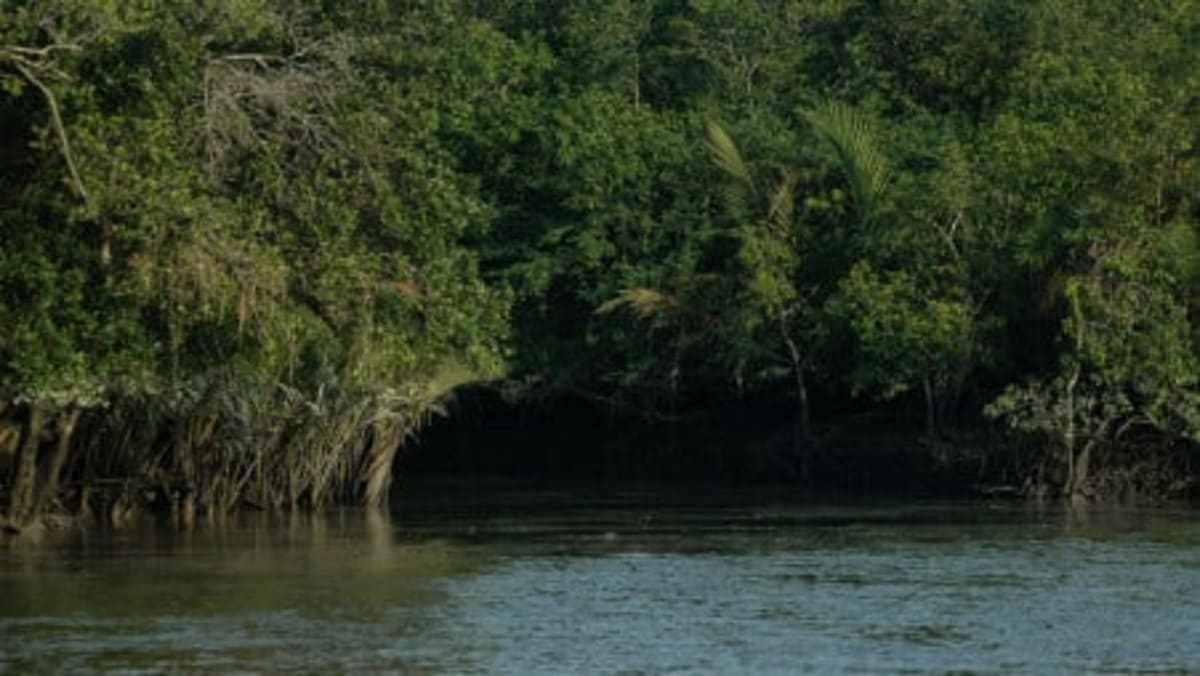
When Cyclone Sidr, a Category Four super cyclone, barreled toward Bangladesh's coast in 2007, the Sundarbans mangrove forest stood between the storm and millions of vulnerable people. Scientists estimate the forest absorbed nearly half of the storm's brutal energy, dramatically reducing the damage that reached populated areas.
That natural defense proved mangroves are far more than scenic forests. They're living shields that protect 30 million Bangladeshis from rising seas and devastating storms.
The science behind this protection is remarkable. A healthy 100-meter stretch of mangrove forest can reduce water flow by up to 92% and slash wave heights by 66%. The trees' intricate root systems act like biological breakwaters, dissipating the energy of storm surges that can reach six meters high.
Mangroves deliver triple benefits that no concrete seawall can match. They store four times more carbon per hectare than regular forests, stabilize shorelines against erosion, and provide fish, honey, and timber that support local livelihoods.
But these natural protectors need protection themselves. Cyclone Aila damaged up to 35% of the Sundarbans' vegetation in 2009, and the weakened forests left coastal farmland vulnerable to saltwater intrusion and crop failures.
The Ripple Effect
Bangladesh is now leading the world in mangrove restoration through groundbreaking partnerships. The Carbon Sequestration through Mangrove Afforestation and Restoration in Bangladesh (CASMAR) initiative marks the country's first major entry into the voluntary carbon market, turning conservation into sustainable financing.
Unexpected allies are joining the fight. HYBE, the Korean entertainment company behind global sensation BTS, has funded the planting of more than 460,000 mangrove trees in Bangladesh over three years, showing how corporate partnerships can drive climate solutions.
Give Bangladesh Foundation's Project Oxygen is taking restoration further by combining tree planting with youth-led stewardship programs. This approach ensures local communities own and protect their green walls for generations, creating both environmental and economic security.
The restored mangroves will do more than protect against the next cyclone. They'll pull carbon from the atmosphere, create jobs through sustainable fishing and honey collection, and demonstrate how nature-based solutions can be more effective than concrete infrastructure.
Bangladesh's investment in these living shields shows how protecting nature protects people, turning coastal vulnerability into resilience one mangrove at a time.
More Images




Based on reporting by Google News - Climate Solution
This story was written by BrightWire based on verified news reports.
Spread the positivity!
Share this good news with someone who needs it