Bangladesh, MSF Strengthen Emergency Healthcare Partnership
Bangladesh is teaming up with Doctors Without Borders to boost emergency medical response during disasters and health crises. The partnership will help the country respond faster and more effectively when people need urgent care. #
Bangladesh is expanding its humanitarian healthcare capacity through a strengthened partnership with one of the world's leading medical relief organizations.
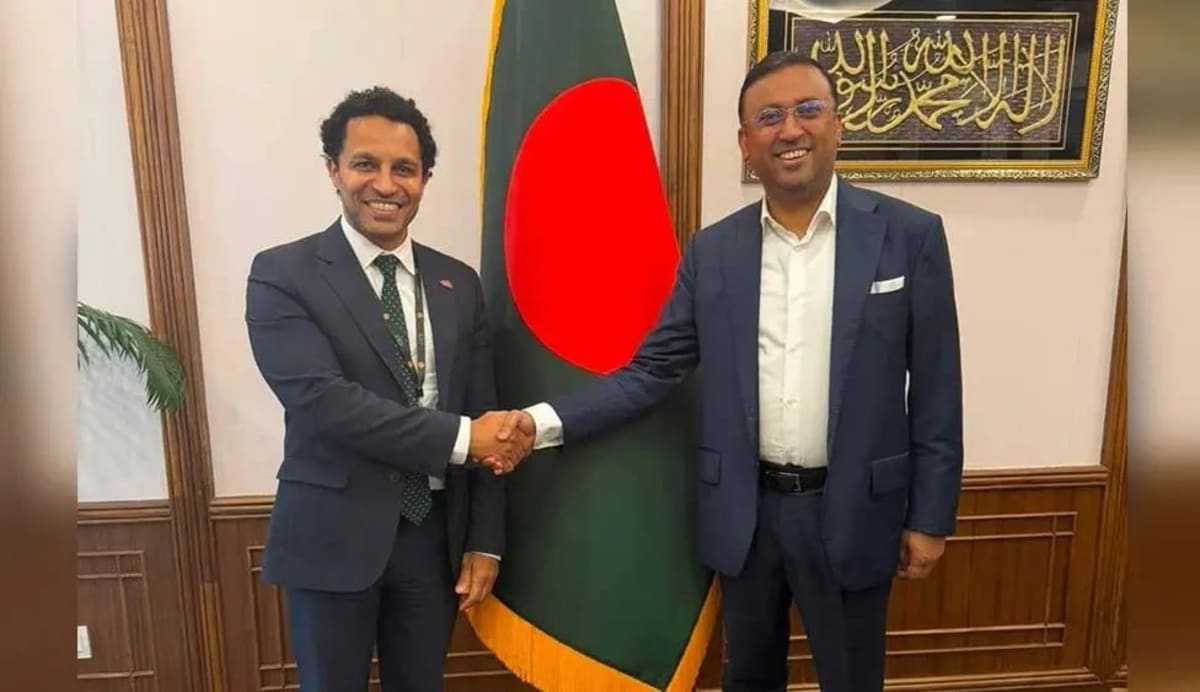
Prime Minister's Foreign Affairs Adviser Humaiun Kobir met with Médecins Sans Frontières (MSF, also known as Doctors Without Borders) International President Dr. Mohammed Javid Abdelmoneim in Dhaka this week to discuss enhancing emergency medical services across the country. The collaboration focuses on improving Bangladesh's ability to respond rapidly during disasters, disease outbreaks, and humanitarian crises.
MSF has been providing medical care in Bangladesh for years, bringing expertise from crisis zones worldwide. Now the organization is working even more closely with government officials to share that knowledge and build local capacity for emergency response.
The meeting centered on practical solutions for real challenges. Bangladesh faces regular threats from natural disasters, including floods and cyclones, which can displace thousands of people and create urgent medical needs. The partnership aims to ensure medical teams can deploy quickly and effectively when crisis strikes.
Dr. Abdelmoneim confirmed MSF's commitment to continuing operations in Bangladesh and coordinating closely with local authorities. The organization's country representative and regional humanitarian affairs leaders joined the discussion, sharing field experience and insights from delivering care on the ground.
The Ripple Effect
When a country strengthens its emergency medical infrastructure, everyone benefits. Better disaster preparedness means faster help for families when floods hit, more effective responses during disease outbreaks, and lives saved during critical moments.
This partnership brings international expertise directly to local healthcare workers. Training, coordination systems, and shared knowledge from MSF's global experience will help Bangladesh build lasting capacity that extends far beyond any single crisis.
The collaboration also highlights how international organizations and governments can work together effectively. Rather than operating in parallel, MSF and Bangladeshi authorities are creating coordinated systems that ensure help reaches people faster when they need it most.
Both sides left the meeting optimistic about expanding cooperation in new areas of health and humanitarian work. As climate change increases the frequency of extreme weather events in South Asia, partnerships like this one become increasingly vital for protecting vulnerable communities and saving lives when disaster strikes.
#
Based on reporting by Google: cooperation international
This story was written by BrightWire based on verified news reports.
Spread the positivity!
Share this good news with someone who needs it